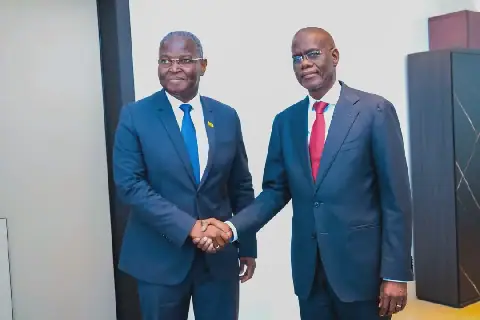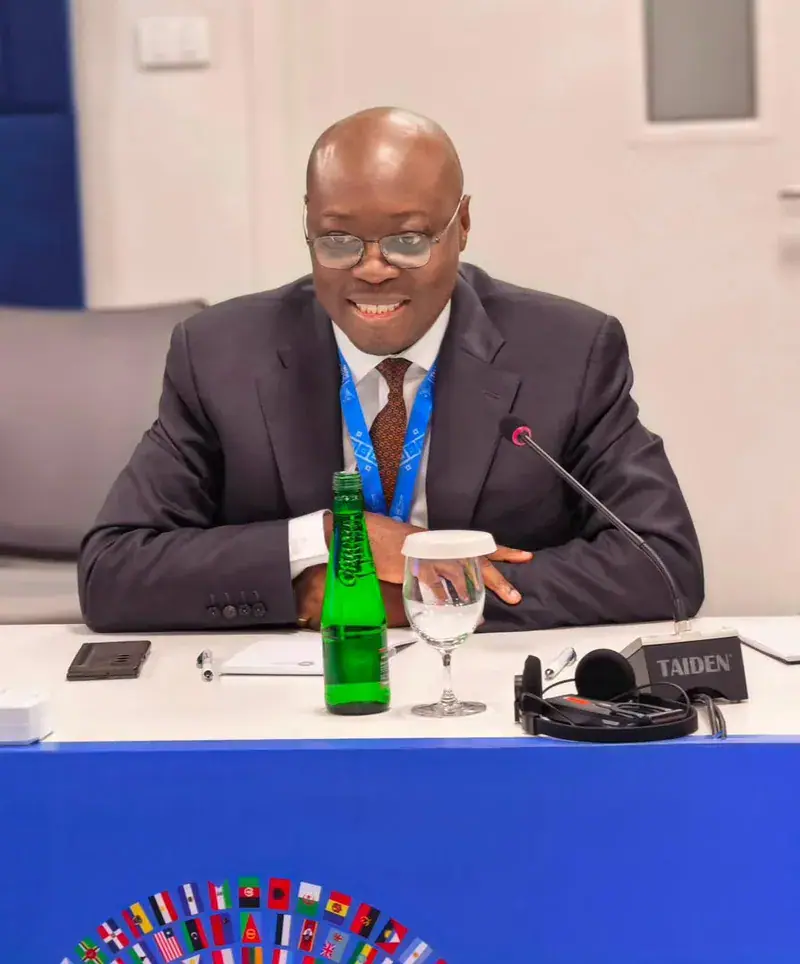
Finance Minister Dr. Cassiel Ato Forson will present the 2027 budget to Parliament on November 12, 2026, focusing on translating Ghana's economic recovery into employment opportunities for young people, improved earnings for farmers, and expanded growth prospects for local businesses. The budget will outline the government's strategy for the next phase of economic recovery, extending beyond macroeconomic indicator improvements to deliver tangible benefits to households, workers, and businesses.
The government's New Economy programme, a four-year investment initiative announced by President John Dramani Mahama, aims to strengthen domestic production, increase the proportion of Ghana's raw materials processed within the country, and expand opportunities for locally owned enterprises. The programme, scheduled to run from 2027 to 2030, has a US$10 billion investment plan, designed to encourage greater value addition across productive sectors and reduce dependence on the export of unprocessed commodities.
Dr. Forson emphasized that Ghanaians have endured considerable economic sacrifices to restore stability, and the gains achieved must now translate into decent employment for the youth, stronger incomes for farmers, and an improved business environment. The budget presentation will explain how the New Economy initiative will convert economic recovery progress into broader prosperity and sustainable employment opportunities.
The 2027 Budget will provide further details about the programme's implementation, including investment priorities, funding arrangements, and specific interventions government intends to pursue during its first year. This comes after Ghana completed the final review of its International Monetary Fund-supported lending programme in July 2026, marking an important development in the country's economic adjustment process.
Available economic indicators point to improvements in key areas of macroeconomic performance, with the economy expanding by 6.0 per cent in the second quarter of 2026, and annual inflation declining to 5.2 per cent in September. Dr. Forson had earlier signalled the government's intention to shift greater attention towards employment generation and productive economic activity during his July 2026 Mid Year Fiscal Policy Review.
The budget's significance lies not only in the scale of the proposed US$10 billion New Economy programme but also in the practical policies, funding commitments, and implementation arrangements through which its promises are expected to be delivered. For young jobseekers, farmers, and businesses, the budget will be crucial in determining how the government prioritises projects, mobilises financing, and ensures that proposed expenditure produces measurable economic benefits.
The government's proposed economic transformation agenda aims to strengthen the capacity of Ghanaian businesses to expand their operations and employ more people. The critical test will be how the government implements the programme, ensuring that it delivers tangible benefits to Ghanaians and supports sustainable economic growth.
Key points
- The 2027 budget will outline a US$10 billion New Economy investment plan to drive jobs and business growth in Ghana.
- The programme aims to strengthen domestic production, increase the proportion of Ghana's raw materials processed within the country, and expand opportunities for locally owned enterprises.
- The budget's success will depend on the government's ability to prioritise projects, mobilise financing, and ensure that proposed expenditure produces measurable economic benefits.