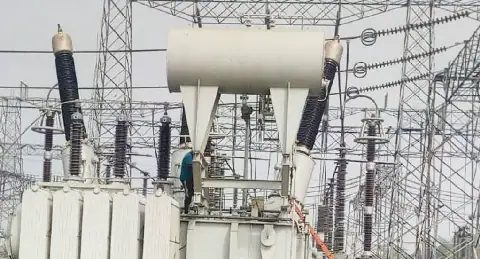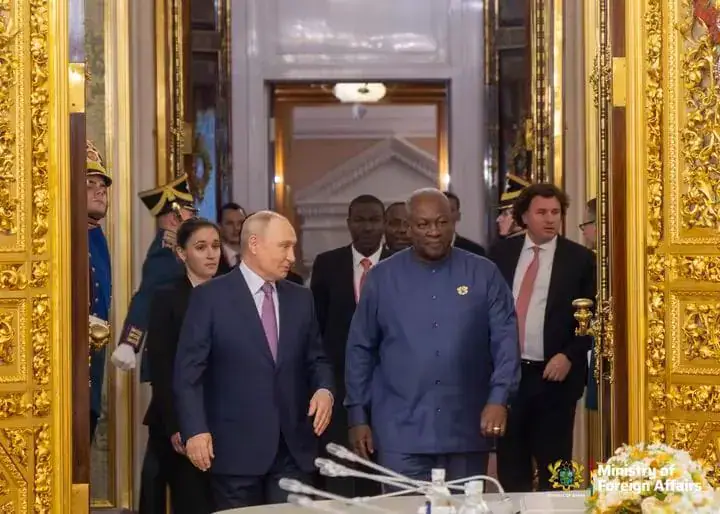
Ghana and Russia have committed to pursuing the establishment of a 2,000-megawatt nuclear power plant to enhance Ghana's energy security and accelerate industrialisation. This agreement was reached during bilateral talks between Ghanaian President John Dramani Mahama and Russian President Vladimir Putin in Moscow. The proposed nuclear facility aims to significantly increase Ghana's electricity generation capacity and support the country's long-term industrial development goals.
The initiative to develop a nuclear power plant in Ghana revives a vision first proposed by Ghana's first President, Osagyefo Dr Kwame Nkrumah, who initiated preparations for nuclear energy development before the 1966 coup. The project is expected to provide a major boost to Ghana's energy sector and support the country's economic growth ambitions. The two leaders also discussed broader cooperation in defence, agriculture, education, and other strategic areas.
In the defence sector, Ghana and Russia agreed to strengthen military cooperation, including arrangements for the acquisition of strategic military assets for the Ghana Armed Forces. This cooperation aims to enhance Ghana's defence capabilities and support regional security efforts. The agreement also includes collaboration in agriculture, with a focus on increasing grain production and improving access to fertilisers.
President Putin pledged to expand scholarship opportunities for Ghanaian students studying in Russia. Ghana currently ranks second among African countries in the number of students enrolled in Russian institutions. This move is expected to strengthen educational ties between the two countries and provide more opportunities for Ghanaian students to access quality education.
The two leaders also discussed the Russia-Ukraine conflict, with President Putin assuring President Mahama that steps would be taken to prevent Ghanaians from participating in the war, whether through irregular recruitment or voluntary enlistment. This assurance aims to address concerns about Ghanaian citizens' involvement in the conflict.
Ghana and Russia are expected to revive the Permanent Joint Commission for Cooperation, with Moscow scheduled to host the next meeting in the coming weeks. The commission aims to promote bilateral cooperation and strengthen ties across key sectors of mutual interest. The two countries established diplomatic relations in 1958 and have since maintained strong bilateral ties.
The latest engagements between Ghana and Russia aim to expand bilateral cooperation and strengthen ties across key sectors, including energy, defence, agriculture, and education. The agreements reached during the bilateral talks are expected to have a positive impact on Ghana's economic development and energy security.
Key points
- Ghana and Russia have agreed to establish a 2,000-megawatt nuclear power plant to boost Ghana's energy security and industrialisation.
- The two countries have also agreed to strengthen military cooperation and expand educational ties.
- The agreements aim to promote bilateral cooperation and strengthen ties across key sectors of mutual interest.