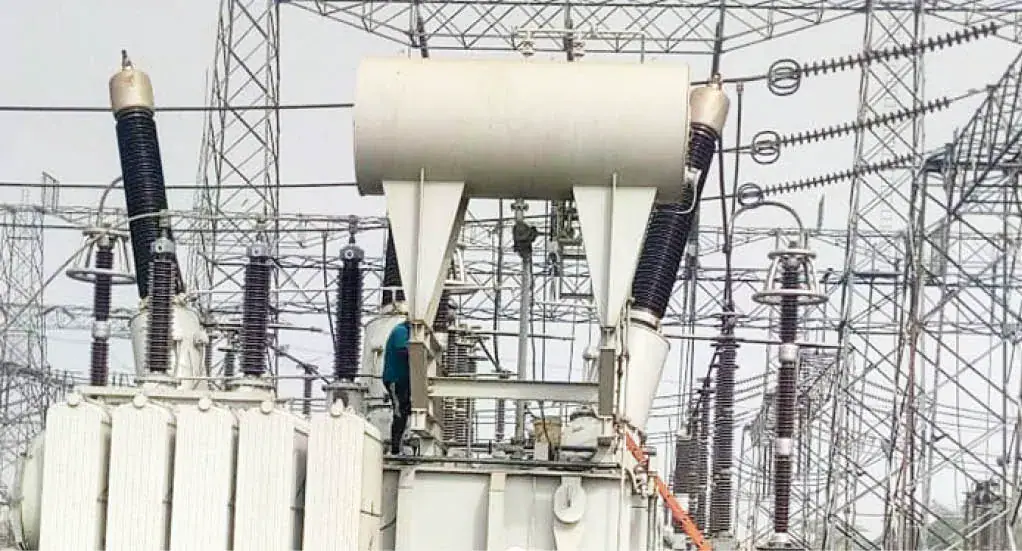
Recent revelations have exposed the administrative challenges undermining efforts to improve electricity supply in Nigeria. More than 300 containers of critical electricity equipment, procured under various government-funded and development-partner-supported electricity projects, have remained stranded at Nigerian ports for years. The equipment, including transformers and switchgear spares, were intended to strengthen the country's electricity infrastructure but have been unable to reach their intended destinations due to unresolved import documentation and bureaucratic delays.
The equipment, procured under projects such as the National Integrated Power Project (NIPP) and the Presidential Power Initiative (PPI), have been trapped in the ports for close to two decades. Despite their importance to the country's electricity infrastructure, the equipment has been stuck due to disagreements over duty exemptions, mounting shipping demurrage, and port charges. President Bola Tinubu has directed the immediate clearance of the stranded containers, generating mixed reactions among stakeholders in the power sector.
Minister of Power, Olasunkanmi Joseph Tegbe, expressed dismay that equipment meant to strengthen the country's electricity infrastructure could remain abandoned at the ports for such an extended period. Tegbe disclosed the presidential directive after the Federal Executive Council (FEC) meeting at the State House. Industry experts, however, believe the development exposes years of institutional failures that cannot be resolved through presidential orders alone.
Experts point to structural weaknesses in government procurement, importation, and project implementation processes as the cause of the stranded equipment. Nigeria has an installed electricity generation capacity of approximately 13,014.40 MW to 13,625 MW, but available or generated power fluctuates between 4,000 MW and 5,403 MW due to ageing or inadequate infrastructure to support transmission and power distribution.
The Niger Delta Power Holding Company Limited (NDPHC) recently recovered abandoned power equipment worth billions of naira from various seaports across the country, following an intervention by the Nigerian Ports Authority (NPA). A former Chief Technical Officer, Presidential Power Initiative (PPI), Engr. Idowu Oyebanjo, said the situation arose when projects were awarded to contractors at low cost without demurrage, and contracts were structured on Cost, Insurance and Freight (CIF) Lagos terms.
Oyebanjo explained that critical import documentation and duty exemption approvals are often not completed before shipment, leading to difficulties in clearing the equipment. He recommended the establishment of a dedicated TCN desk at the Nigeria Customs Service, with pre-approved duty waivers to ensure that documentation and clearance arrangements are completed before the equipment arrives in the country.
To prevent a recurrence, Oyebanjo and other experts recommend changes in the procurement structure for future electricity projects, including adopting Delivered Duty Paid (DDP) arrangements. This would make contractors responsible for delivering equipment to project sites rather than simply bringing them to Lagos ports under CIF terms. The equipment includes 300 Mega Volt-Ampere (MVA), 330/132/33 kilovolt (kV) transformers, and Gas Insulated Switchgear (GIS) spares.
Key points
- President Bola Tinubu has directed the immediate clearance of over 300 stranded containers of critical electricity equipment at Nigerian ports.
- The equipment, procured under various government-funded projects, has been stuck in ports for close to two decades due to bureaucratic delays and institutional inefficiencies.
- Experts recommend changes in procurement structures and the establishment of a dedicated TCN desk at the Nigeria Customs Service to prevent a recurrence.