The Ghanaian government has introduced a new digital monitoring system to enhance its fight against child labour in various sectors, including agriculture, artisanal mining, and the informal economy. The Ghana Child Labour Monitoring System (GCLMS) aims to facilitate effective identification, documentation, referral, and follow-up of child labour cases. This initiative is crucial in sectors where children are exposed to hazardous or exploitative work, ensuring their safety and well-being.
The GCLMS is designed to be interoperable with other child protection systems in Ghana, enabling seamless case referral and remediation. This feature ensures effective inter-agency coordination, allowing for a more comprehensive approach to addressing child labour. The system was developed with funding from the International Labour Organization (ILO) through its ACCEL Africa Project and other development partners.
The ILO, in partnership with the Child Labour Unit of the Ministry of Labour, Jobs and Employment, has trained regional and district stakeholders on the new system. The training, part of the ACCEL Africa project, aims to equip those involved in child labour identification, monitoring, referral, and case management with the necessary knowledge and practical skills to use the system effectively.
National Project Coordinator of the ILO’s ACCEL Africa Project in Ghana, Bismark Quartey, highlighted the importance of effective monitoring in combating child labour. He emphasized that reliable and timely data is fundamental to taking effective action against child labour, and the GCLMS provides a common mechanism for documenting cases and understanding their characteristics.
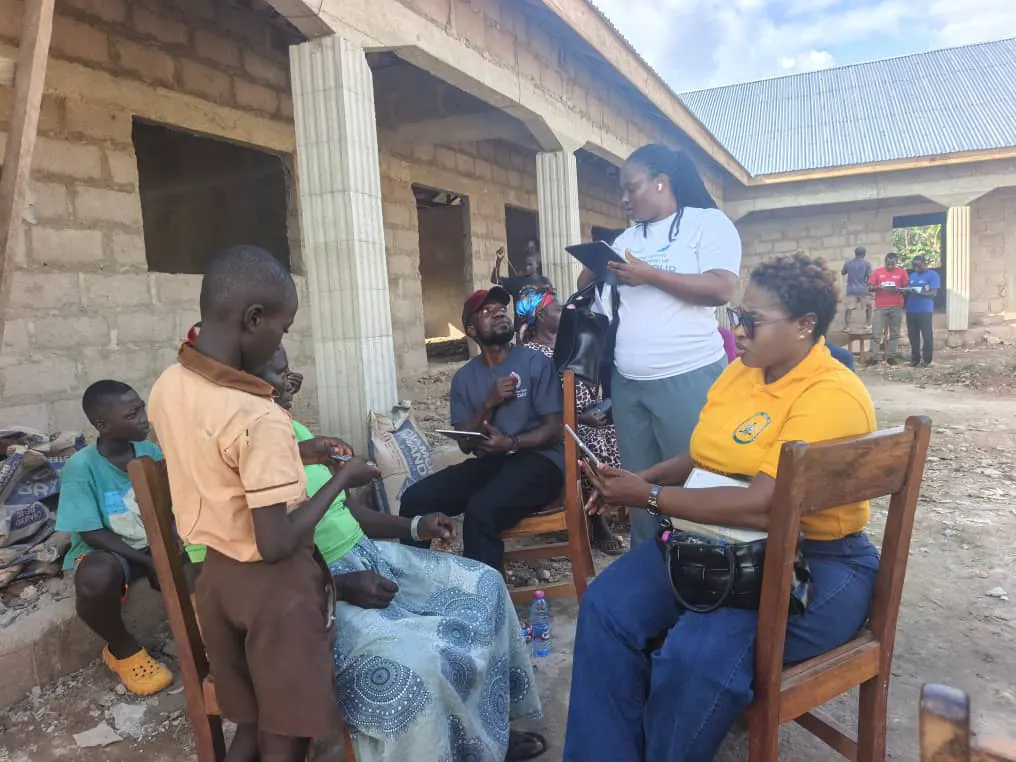
The training included field practical exercises, where participants learned to register and document cases, update case information, manage data, generate reports, and monitor follow-up actions. Participants, such as Frederick Osei Agyemang from the Social Welfare Department in Bibiani, noted that the training strengthened their understanding of how to use the GCLMS to document cases and ensure identified children receive appropriate support.
The GCLMS is expected to support timelier and evidence-based decisions by strengthening data collection and coordination at decentralized levels. The system also provides opportunities for improved information sharing through interoperability with other child labour monitoring systems. This will enable stakeholders to track whether interventions are reaching children and families who need them.
The rollout of the GCLMS marks another step towards strengthening national systems to prevent and eliminate child labour in Ghana. The government aims to ensure that every child is protected from work that threatens their safety, development, and future. Key initiatives like the GCLMS demonstrate Ghana's commitment to addressing child labour and promoting a safer environment for its children.
Key points
- The Ghana Child Labour Monitoring System (GCLMS) is a digital tool designed to facilitate effective identification, documentation, referral, and follow-up of child labour cases.
- The system is interoperable with other child protection systems in Ghana, enabling seamless case referral and remediation.
- The GCLMS was developed with funding from the International Labour Organization (ILO) through its ACCEL Africa Project and other development partners.