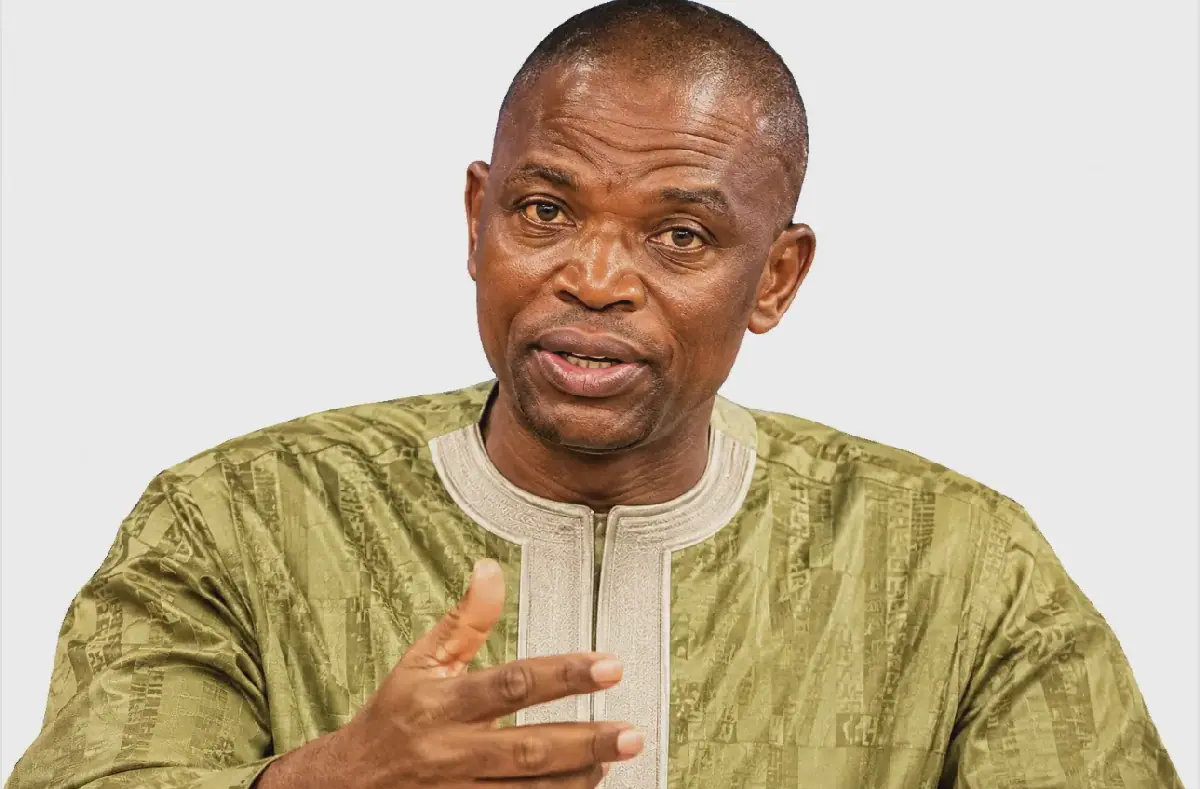
Member of Parliament for Sissala East, Issah Mohammed Bataglia, has expressed concerns that Ghana's education system is at risk of national decline if the practice of rushing children through basic education continues. He made these comments on GBC's Current Agenda political talk show. According to him, some pupils are pressured to register for and sit the Basic Education Certificate Examination (BECE) as soon as they enter Junior High School One (JHS 1), regardless of their readiness.
Mr Bataglia believes that this practice could undermine the quality of education and the development of children. He cited the example of China, which has embraced the concept of delayed gratification in its education system, allowing children sufficient time to develop their skills and prepare to contribute meaningfully to society. He questioned why Ghana could not adopt a similar approach, arguing that despite years of formal education, the country continued to struggle with challenges it had been unable to address.
The Sissala East MP defended the Minister for Education, Haruna Iddrisu, saying he did not believe the minister would take any decision that could undermine the development of children. However, he emphasized the need for stakeholders to hold strong to issues that affect the education system. Mr Bataglia also highlighted the country's reliance on foreign artisans as an example of the failure of the education system to equip graduates with practical skills.
Mr Bataglia's comments come after the Minister for Education, Haruna Iddrisu, directed the Ghana Education Service (GES) to prevent JHS 1 and JHS 2 pupils who attempt to sit the BECE ahead of schedule from taking the examination for two years. The directive was announced on Monday, November 23, 2026, at the launch of the 2026 National Education Week in Accra.
According to Mr Bataglia, the education system in Ghana is not producing students who can create and make society better. Instead, they are only readers and reproducers of what they read. He emphasized that the country needs to rethink its approach to education and focus on producing students who can contribute meaningfully to society.
The MP also cited the example of construction in Ghana, where foreigners are often brought in to build simple structures. He argued that this is a failure of the education system to equip graduates with practical skills.
Mr Bataglia's warning highlights the need for stakeholders to take a closer look at the education system in Ghana and make necessary changes to ensure that students are adequately prepared for the future. The government and other stakeholders must work together to address these issues and ensure that Ghana's education system produces students who can contribute to the country's development.
Key points
- The Ghanaian government has taken steps to address the issue, with the Minister for Education directing the Ghana Education Service to prevent JHS 1 and JHS 2 pupils from taking the BECE ahead of schedule.