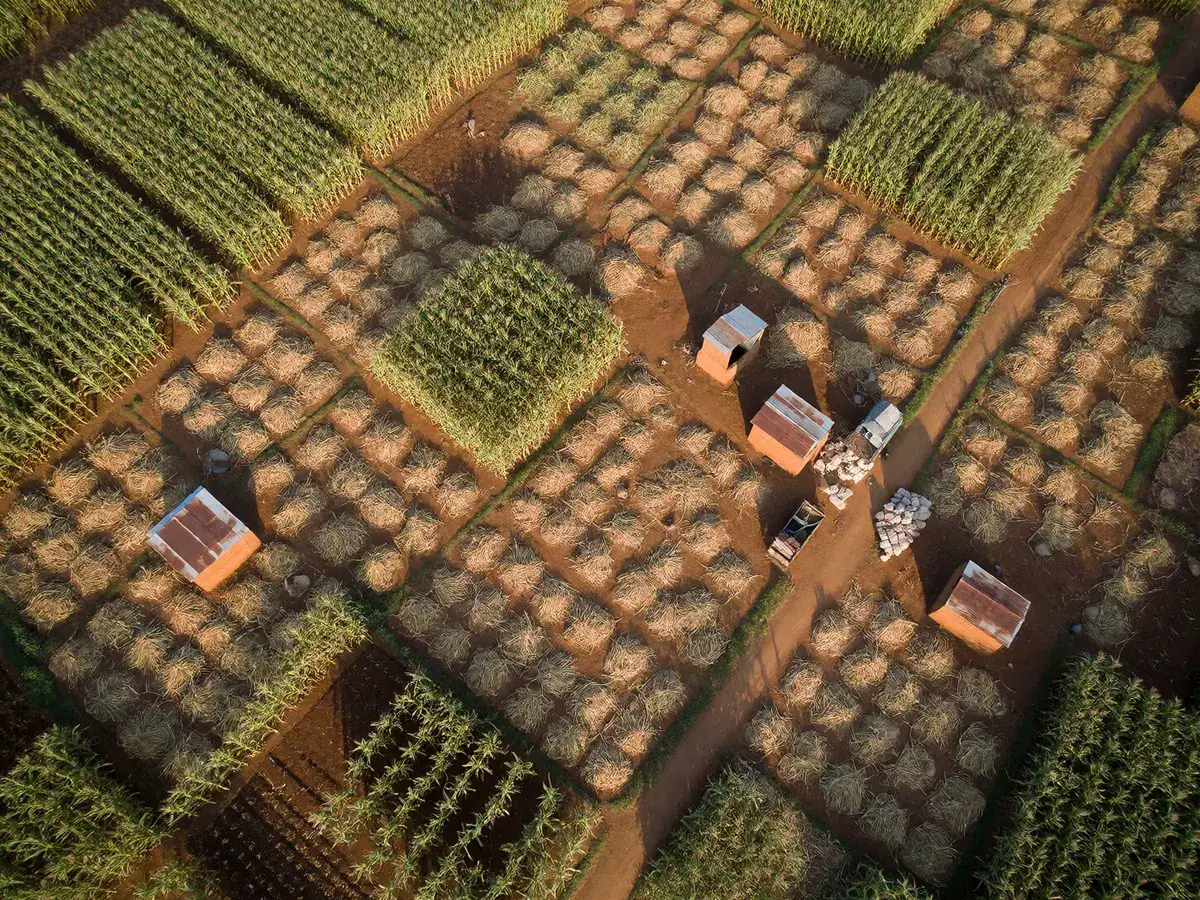
Ghana is at risk of a food crisis if the government fails to address the growing food glut, according to Minority Chief Whip Frank Annoh-Dompreh. He warned on Friday, November 27, that farmers who invested borrowed funds and scarce resources in food production are struggling to find buyers or must sell below production costs. This has resulted in significant losses for farmers producing maize, rice, cassava, yam, and soya beans.
The situation has caused distress for market women, who face difficulties due to consumers' lack of purchasing power to buy food. As a result, traders lose working capital as perishable produce deteriorates. Annoh-Dompreh stated that if farmers respond by reducing production or abandoning agriculture, the inability to connect production with effective demand, storage, and distribution could turn this glut into tomorrow's food shortage.
Annoh-Dompreh cited the National Food Buffer Stock Company (NAFCO) as having failed to stabilize prices or absorb excess produce effectively. Despite having an installed storage capacity of 129,000 metric tonnes, reports from May 2026 indicate that only between 40,000 and 44,000 tonnes were usable. He demanded accountability for NAFCO's financial allocations, insisting that announcements must produce measurable relief through actual purchases and timely payments to farmers.
To address the crisis, Annoh-Dompreh called for emergency government purchases of surplus produce at economically sustainable prices to help farmers who cannot recover their costs. He proposed that the government direct schools, universities, hospitals, prisons, and the Ghana Armed Forces to prioritize locally produced food to create predictable demand for farmers. This, he believes, will help stabilize the market and provide relief to struggling farmers.
Annoh-Dompreh also proposed restructuring agricultural loans, expanding storage facilities, supporting food processing, and improving access to affordable working capital for traders. He demanded that the Minister for Food and Agriculture provide specific data regarding unsold produce, affected farmers, government purchases, and outstanding payments to Parliament. This data will help inform a national intervention plan to address the crisis.
The Minority Chief Whip urged Parliament to develop a time-bound national intervention plan with measurable targets and regular reports. He also called for an urgent parliamentary inquiry into the crisis to protect agricultural livelihoods and urged the government to act to safeguard the country's food security. Annoh-Dompreh emphasized that farmers need more than sympathy; they need buyers to purchase their produce.
Annoh-Dompreh's warnings and proposals highlight the urgent need for government action to address the food glut and prevent a food crisis in Ghana. The crisis has significant implications for food security, farmers' livelihoods, and the overall economy. KEY_POINT: The government must address the food glut to prevent a food crisis.
Key points
- Farmers are struggling to find buyers for their produce, leading to significant losses.
- Annoh-Dompreh proposes emergency government purchases and restructuring agricultural loans to stabilize the market.
Reporting sources
- Frank Annoh-Dompreh warns of food crisis due to unsold produce · The Statesman Newspaper