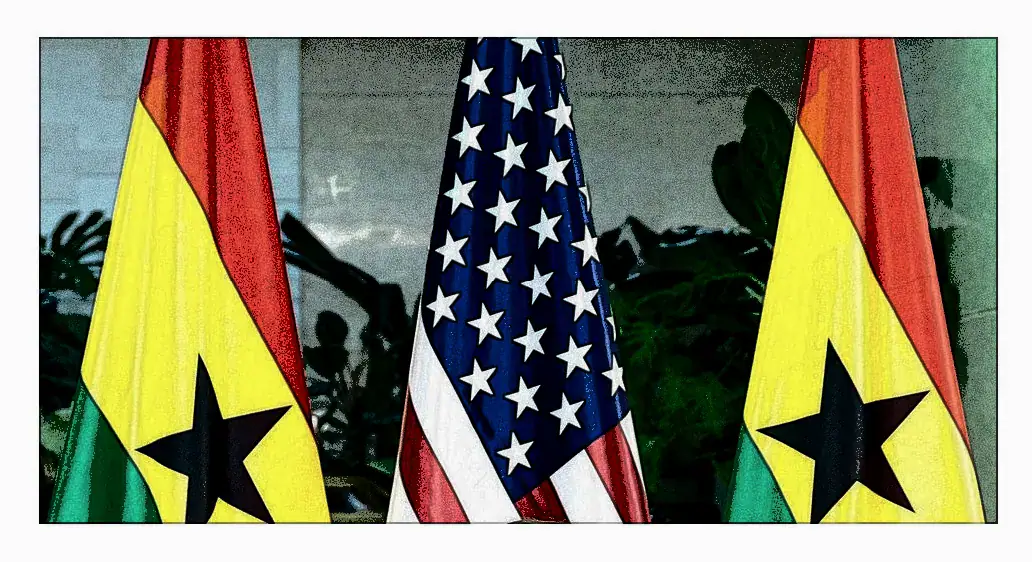
The government of Ghana has agreed to reopen talks with the United States on a proposed $109m health funding deal. President John Dramani Mahama confirmed that the US had officially requested to renegotiate the terms of the agreement. Ghana's cabinet had initially rejected the deal, citing concerns over sovereignty. However, Mahama stated that the government was willing to address the concerns raised and revisit the agreement. The development comes after a series of engagements between the two countries.
The proposed health deal is part of a new approach by the US to engage countries at the bilateral level with health agreements. This shift in strategy followed the disbanding of the United States Agency for International Development (USAID) in 2025. USAID traditionally provided funding for critical areas such as health, education, and democratic consolidation. The agency's closure created a significant funding gap, with concerns about the impact on health interventions in Africa. Ghana, along with Kenya and Zimbabwe, had initially rejected the bilateral health pacts.
President Mahama had previously described the deal as "humiliating". He confirmed that Ghana's concerns would be addressed in the renegotiations. The President made these remarks at an engagement in Goaso in the Ahafo Region in October 2026. Mahama stated that the US had agreed to remove or amend the contentious clauses. The government aims to ensure that the agreement aligns with Ghana's interests and values.
The USAID funding gap for Ghana was estimated at $156m. Critical health and social intervention programs were at risk of disruption. The projected shortfall threatened essential programs in malaria prevention, maternal and child health, family planning, and the fight against HIV/AIDS. President Mahama had instructed Finance Minister Cassiel Ato Forson to address the funding gaps. The government was exploring alternative solutions to mitigate the impact of the USAID funding gap.
In 2023, the US government proposed a bilateral health deal to Ghana. The deal aimed to provide funding for health interventions. However, Ghana's cabinet rejected the proposal over concerns about sovereignty. The government was concerned that the agreement would compromise its autonomy in health policy. The US government's willingness to renegotiate has raised hopes of a revised agreement that addresses Ghana's concerns.
President Mahama emphasized the need for Africa to increase food production and reduce dependence on external aid. He stated that the USAID funding gap presented an opportunity for Africa to invest in its agricultural sector. The President's comments highlighted the need for sustainable solutions to address the funding gaps in health and social interventions. Ghana's engagement with the US on the health funding deal is part of a broader effort to address these challenges.
The renegotiation of the health funding deal between Ghana and the US is expected to be a critical engagement. The outcome will have implications for health interventions in Ghana and the broader region. Key issues to be addressed include the terms of the agreement, funding allocation, and sovereignty concerns. The engagement will also have implications for US-Africa relations, particularly in the health sector.
Key points
- Ghana's willingness to renegotiate the health funding deal addresses concerns over sovereignty and funding allocation.
- The US government's proposal for a bilateral health deal is part of a new approach to engage countries in Africa.
- The renegotiation of the deal has implications for health interventions in Ghana and US-Africa relations.
Reporting sources
- Ghana Rejects $109m US Health Compact – The Funding, Data and Sovereignty Questions · FactSpace West Africa