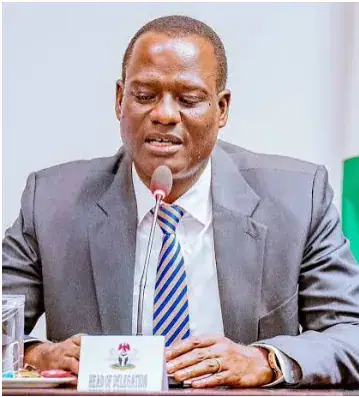
The Rent Control Department in Ghana has formally petitioned the Attorney-General to investigate hostel fees and living conditions at University of Ghana Enterprises Limited facilities. This action follows an inspection that confirmed student complaints of exorbitant fees and poor conditions, suggesting breaches of the Rent Control Law. The department's petition, submitted on November 10, aims to address concerns raised by University of Ghana students regarding their living arrangements.
According to Acting Rent Commissioner Frederick Opoku, the department conducted an inspection to determine the actual living conditions of students at the University of Ghana Enterprises Limited hostels. The inspection confirmed the students' concerns, pointing to possible breaches of the Rent Control Law. Opoku stated that as the regulator, he believes his law has been breached. The department's findings have prompted a formal request for the Attorney-General to investigate and potentially prosecute if culpability is found.
The Rent Control Department lacks prosecutorial powers, relying on the Attorney-General to initiate legal proceedings. Opoku expressed readiness to prosecute the institution if his department had the authority. He emphasized that the decision to proceed with legal action rests with the Attorney-General, who will determine culpability and decide on prosecution. The department's role is limited to investigation and referral, highlighting the division of authority in this matter.
The petition to the Attorney-General covers two main areas: hostel fees and room conditions at the University of Ghana Enterprises Limited facilities. These were the primary concerns raised by students, which the inspection aimed to verify. Opoku's account confirms that the inspection established the students' concerns and pointed to possible breaches of the Rent Control Law. The Attorney-General's investigation will focus on these areas to determine if legal action is warranted.
Currently, no finding of culpability has been recorded, and specific breaches remain undisclosed. The Attorney-General has not responded to the petition nor set a timeline for action, leaving the matter in procedural limbo. The case hinges on executive legal action rather than regulatory enforcement, with key details on fees, conditions, and affected students still withheld from public view.
The outcome of the Attorney-General's investigation will determine whether legal proceedings will advance. If culpability is found, the Attorney-General will decide on prosecution. The Rent Control Department's petition represents a significant step in addressing student concerns, but the final decision rests with the Attorney-General. The department's efforts to address the issue are constrained by its lack of prosecutorial powers.
The University of Ghana Enterprises Limited hostel fees and conditions have been a subject of controversy, with students complaining about exorbitant fees and poor living conditions. The Rent Control Department's inspection and subsequent petition to the Attorney-General aim to resolve these issues. The case highlights the need for effective regulation and enforcement of rent control laws in Ghana's educational institutions.
Key points
- The Rent Control Department's petition to the Attorney-General seeks investigation and potential prosecution of University of Ghana Enterprises Limited for breaches of the Rent Control Law.
- The department's lack of prosecutorial powers means the Attorney-General will decide on legal proceedings.
- The investigation will focus on hostel fees and room conditions at University of Ghana Enterprises Limited facilities.