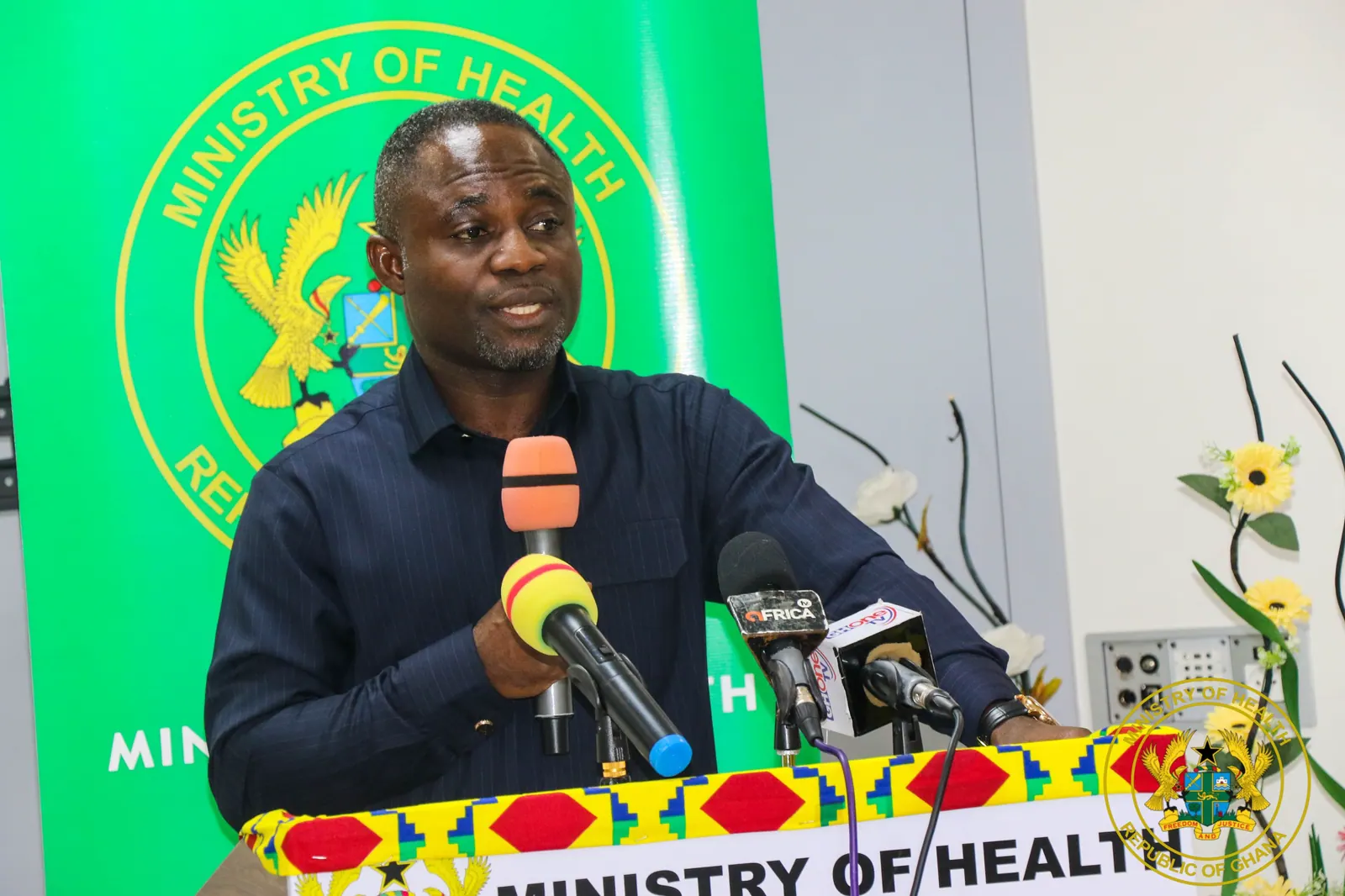
Ghana has recorded approximately 450 suspected cases of yellow fever between June and September 2026, according to Health Minister Kwabena Mintah Akandoh. The cases were reported across the country, with the Upper West Region accounting for 74 of them. The minister disclosed this information at the Ministry of Health's Health Sector Update Engagement in Accra. He emphasized that the situation is being closely monitored and managed.
The Upper West Region has reported 74 suspected cases, out of which three have been confirmed as yellow fever. Minister Akandoh noted that health professionals use various methods to determine if a death is attributable to a particular disease, but confirmation is crucial. The government has deployed a National Rapid Response Team to the Upper West Region to support surveillance, investigation, and control measures. This move aims to prevent further spread of the disease.
Yellow fever is a viral disease transmitted through the bites of infected mosquitoes, commonly found in tropical areas of Africa and South America. The disease can cause mild illness in some people, while others may develop severe and potentially life-threatening complications. Symptoms usually appear between three and six days after infection and may include fever, headache, muscle aches, chills, nausea, vomiting, and weakness.
In severe cases, patients may develop jaundice, which causes the skin and eyes to turn yellow, as well as bleeding and organ failure. There is no specific antiviral treatment for yellow fever, with medical care generally focused on managing symptoms and complications. However, the disease is preventable through vaccination and measures to reduce exposure to mosquito bites.
Minister Akandoh called on the public and media to avoid creating unnecessary alarm and to support efforts by health authorities to manage the situation. He emphasized that steps are already underway to prevent further spread and urged calm. The minister's appeal aims to promote a balanced and informed public discourse on the issue.
Health authorities advise people in affected areas to seek medical attention if they develop symptoms associated with yellow fever, particularly fever accompanied by jaundice or other severe symptoms. The public is encouraged to take precautions to prevent mosquito bites, such as using insecticide-treated bed nets and wearing protective clothing.
The Ghanaian government's response to the outbreak includes the deployment of a National Rapid Response Team and ongoing surveillance and control measures. The Ministry of Health continues to monitor the situation and provide updates to the public. The situation remains under control, with efforts focused on preventing further spread and providing medical care to those affected.
Key points
- Three cases of yellow fever have been confirmed in the Upper West Region out of 74 suspected cases.
- The Ghanaian government has deployed a National Rapid Response Team to support surveillance and control measures.
- Yellow fever is preventable through vaccination and measures to reduce exposure to mosquito bites.