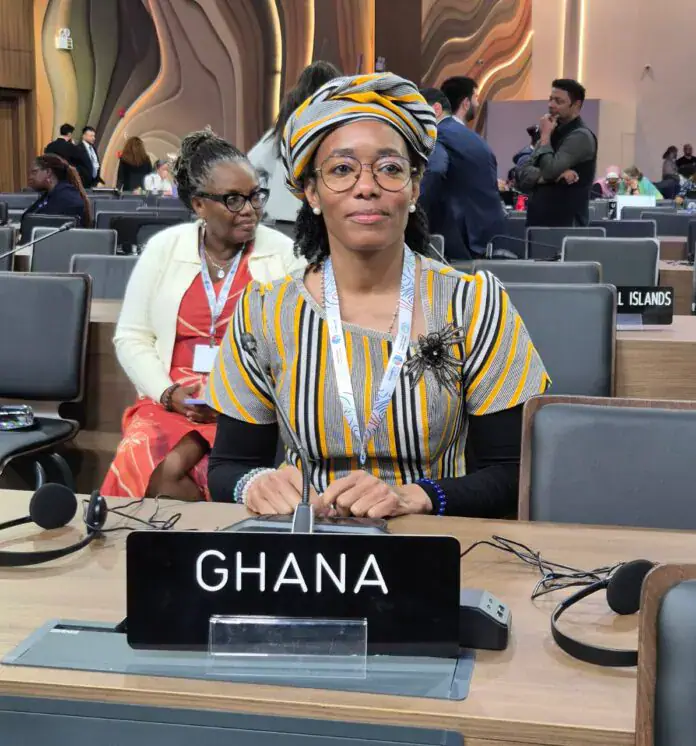
Ghanaian Environment Minister Dr. Zanetor Agyeman-Rawlings addressed the closing plenary of the COP31 climate summit in Antalya, Türkiye, on behalf of the African Group of Negotiators, which Ghana currently chairs. She emphasized the importance of considering African countries' priorities in global decisions on climate action. Her remarks came despite an interruption during her address. The minister's statement highlights Africa's growing voice in international climate discussions.
Dr. Agyeman-Rawlings' statement reflects the concerns of African nations, which are disproportionately affected by climate change. Rising temperatures, changing precipitation patterns, and increased frequency of extreme weather events have significant impacts on the continent's ecosystems, economies, and human populations. African countries are seeking a stronger voice in global climate negotiations to ensure their unique challenges and needs are addressed.
The African Group of Negotiators, chaired by Ghana, plays a crucial role in representing the continent's interests in international climate talks. The group's efforts focus on promoting African countries' priorities, such as climate change adaptation, mitigation, and resilience-building. By amplifying Africa's voice, the group aims to influence global climate policies and ensure a more equitable distribution of resources.
The COP31 climate summit in Antalya, Türkiye, brought together representatives from nearly 200 countries to discuss global climate action. The summit aimed to accelerate progress toward reducing greenhouse gas emissions and transitioning to a low-carbon economy. African countries, led by Ghana, are pushing for greater recognition of their climate concerns and more substantial support from the international community.
Ghana's reaffirmation of Africa's right to be heard in climate talks is part of a broader effort to promote climate justice and equity. African nations argue that they contribute relatively little to global greenhouse gas emissions but bear a disproportionate share of the climate change burden. By asserting their voice in international climate discussions, African countries seek to address these disparities and secure a more sustainable future.
The international community has acknowledged the importance of involving African countries in global climate decision-making. The Paris Agreement, adopted in 2015, emphasizes the need for countries to work together to address the global challenge of climate change. By amplifying Africa's voice, Ghana and other African nations are pushing for a more inclusive and equitable approach to climate action.
As the global community continues to grapple with the challenges of climate change, Africa's voice is likely to play an increasingly important role in international climate discussions. Ghana's reaffirmation of Africa's right to be heard is a significant step toward promoting climate justice and ensuring that the continent's concerns are addressed in global climate policies.
Key points
- Ghana's Environment Minister Dr. Zanetor Agyeman-Rawlings asserts Africa's right to be heard in global climate negotiations at COP31 in Antalya, Türkiye.
Reporting sources
- Ghana Reaffirms Africa’s Right to Be Heard in Climate Talks · West Africa Democracy Radio