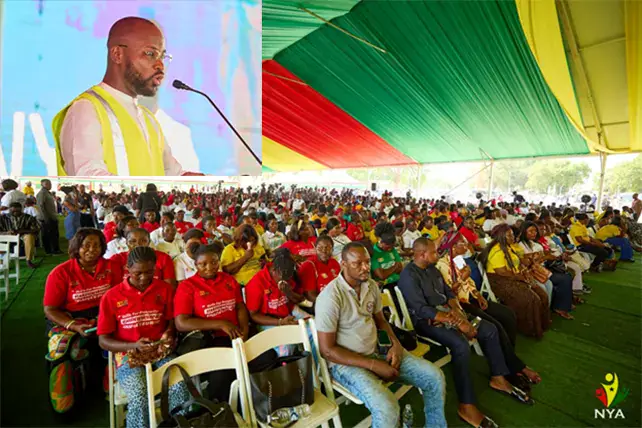
The National Apprenticeship Programme (NAP) in Ghana has celebrated a significant milestone with the graduation of its first cohort of 13,309 young Ghanaians. The ceremony, themed “Skills for Prosperity: Empowering Ghana’s Future,” took place at the State House forecourt in Accra on November 20, 2026. This initiative aims to equip young people with vocational skills, targeting those who face barriers to formal education and employment.
The National Youth Authority (NYA) Chief Executive Officer, Osman Abdulai Ayariga, highlighted that the NAP was designed to reach young Ghanaians struggling to access formal skills training and employment. The programme prioritizes unemployed and underemployed youth, school leavers, and those unable to progress through formal education. Additionally, it focuses on young women, persons with disabilities, and young people from rural and underserved communities seeking vocational skills or self-employment opportunities.
One of the significant challenges addressed by the NAP is the financial burden associated with vocational training. The government paid apprenticeship training fees to accredited Master Craft Persons, relieving beneficiaries and their families of this major expense. Apprentices also received a monthly stipend, learning tools, personal protective equipment, and workplace insurance. This comprehensive support system enabled many young people to pursue vocational training who otherwise might not have had the opportunity.
The programme not only provided training but also ensured that graduates received competency-based assessment and certification through the Commission for Technical and Vocational Education and Training (CTVET). Furthermore, graduates were equipped with start-up kits and equipment to support their transition into work. Mr. Ayariga emphasized that effective apprenticeship requires more than just a place in a workshop; it necessitates access, protection, quality training, and a credible pathway forward.
Osman Abdulai Ayariga expressed gratitude to Master Craft Persons for sharing their knowledge and to technical partners, professional associations, and collaborating institutions for their support. He urged the 13,309 graduates to uphold honesty, discipline, and professionalism in their work. The NYA will continue to strengthen beneficiary support, improve service delivery, and track graduate outcomes under the policy direction of the Ministry of Youth Development and Empowerment.
The Minister for Youth Development and Empowerment, George Opare-Addo, assured that the government's responsibility to NAP graduates does not end at certification. The ministry has developed a digital monitoring dashboard to track every beneficiary beyond graduation, ensuring their skills translate into jobs, businesses, and sustainable income. This initiative aims to account for every penny entrusted into the programme and to support graduates in achieving economic stability.
The National Apprenticeship Programme demonstrates a comprehensive approach to addressing youth unemployment and skills gaps in Ghana. By providing vocational training, financial support, and post-graduation tracking, the programme sets a precedent for sustainable youth empowerment. As the graduates embark on their professional journeys, the focus will be on their success and the positive impact on Ghana's socio-economic landscape.
Key points
- The programme prioritizes unemployed and underemployed youth, school leavers, and those unable to progress through formal education.
- Government paid apprenticeship training fees and provided apprentices with a monthly stipend, learning tools, and personal protective equipment.
- A digital monitoring dashboard has been developed to track graduates beyond certification, ensuring their skills translate into jobs, businesses, and sustainable income.
Reporting sources
- First Batch Of Apprenticeship Programme Graduates · Daily Guide