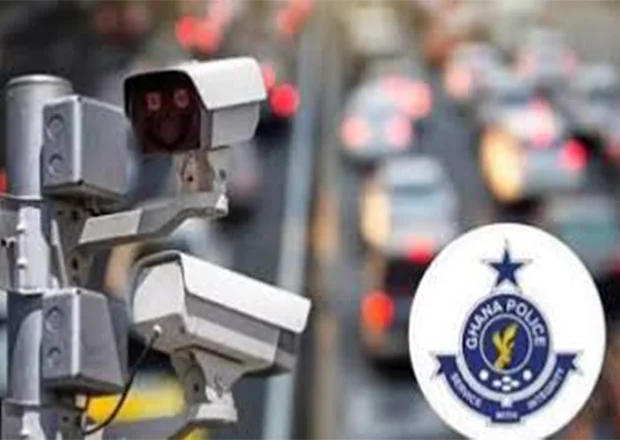
The Ghana Police Service and the MTTD are set to launch TRAFFITECH-GH, a digital traffic enforcement system, on October 1, 2026. This initiative aims to modernize the country's road transport sector by automating traffic enforcement. If executed fairly and consistently, the policy is expected to restore discipline to Ghana's roads, reduce crashes, save lives, and streamline revenue collection. The system is a monumental leap toward improving road safety and management.
However, the success of this policy depends on its groundwork. Automation relies on precision, and several critical questions need to be answered to ensure the system's effectiveness. One key concern is the accuracy of vehicle databases, particularly whether every vehicle on Ghanaian roads is properly registered and every owner's contact information is accurately linked to their registration at the DVLA. This is crucial for ensuring that automated tickets reach the actual offenders.
Another important consideration is whether the public, especially commercial drivers, driver unions, and okada riders, has been properly sensitized to the new rules. Engagement and education of these groups are vital to prevent sudden confrontation and ensure a smooth transition to the digital system. Furthermore, the everyday motorist must be reached beyond social media infographics to ensure they understand the new system and its implications.
The physical road infrastructure also needs to be assessed for readiness to support digital enforcement. This includes ensuring that stop lines, lane markings, traffic lights, and road signs are clearly visible across cities. If these infrastructure elements are not in place, drivers may be penalized for missing lines that have long faded away. Additionally, authorized stopping points must be clearly defined and functional to guide drivers.
The appeal and dispute process for erroneous tickets is another critical aspect that needs to be seamless for the ordinary citizen. A transparent, fast, and accessible digital platform is required for drivers to challenge evidence within the 14-day window without facing bureaucratic hurdles. This will help build trust in the system and ensure that citizens are not unfairly penalized.
Protecting the public against fraudsters is also a significant concern. With scammers quick to exploit digital systems, robust public education campaigns are necessary to ensure citizens know how to verify genuine GPS-MTTD notices and avoid paying fraudulent mobile money accounts. This will help safeguard the public and maintain the integrity of the TRAFFITECH-GH system.
According to Dr. Vanessa Sam, TRAFFITECH-GH is the right direction for Ghana, but its success depends on addressing vital questions and building a strong foundation before October 1. By doing so, Ghana's roads can become safer for everyone, and the digital traffic enforcement system can achieve its intended goals of improving road safety and management.
Key points
- The Ghana Police Service and MTTD are launching TRAFFITECH-GH, a digital traffic enforcement system, on October 1, 2026.
- The system's success depends on its groundwork, including accurate vehicle databases and public sensitization.
- A seamless appeal and dispute process, as well as protection against fraudsters, are crucial for the system's effectiveness.