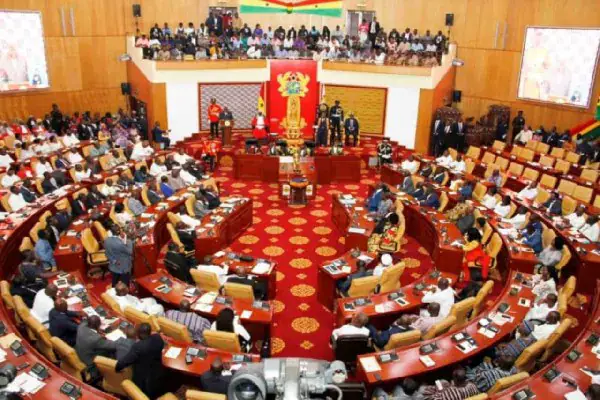
The Parliament of Ghana has launched a biometric attendance system to address the issue of MPs signing in but not attending debates or votes. Speaker Alban Bagbin introduced the system, which ties MPs' presence to their fingerprints, to close a loophole that allowed lawmakers to leave the chamber before proceedings began. The system aims to improve accountability within the House.
Under the new arrangement, an MP's attendance will only be recorded once their unique biometric features, such as a fingerprint, are captured at their assigned seat. So far, 258 of the 276 MPs have enrolled in the system. The biometric rollout is part of a broader set of reforms at Parliament, including plans to pilot electronic voting and give the public online access to parliamentary records by the end of 2026.
The Executive Director of the Africa Centre for Parliamentary Affairs (ACEPA), Dr. Rasheed Draman, said the reform strengthens accountability within the House. He noted that the old sign-in system failed to solve the absenteeism problem because some MPs signed the register and left the chamber without taking part in debates or voting. The new system will make it more difficult for MPs to register attendance without being present.
The biometric system will also link recognition to speak on the floor to an MP occupying the correct seat. If an MP sits in the wrong seat, their actions will not be recorded, and they will not be given the opportunity to speak. This move aims to prevent MPs from signing in and then leaving the chamber without participating in debates or votes.
Dr. Draman warned that poor attendance in the chamber undermines Parliament's ability to carry out its core duties of lawmaking, overseeing the Executive, and representing constituents. He noted that low turnout often delays debates and decisions, particularly during busy meetings of the House. The new system is expected to improve attendance and accountability.
The introduction of the biometric attendance system comes as public attention on Parliament's accountability has sharpened in recent weeks, including debate over MPs' share of the Consolidated Fund. There is an ongoing proposal for the Judiciary and Parliament to receive a direct share of the Consolidated Fund. Article 97(1)(c) of the 1992 Constitution states that an MP can lose their seat for being absent from 15 sittings in a meeting of Parliament without the Speaker's written permission.
While the biometric system has been introduced, no date has been given for when it will apply to all sittings across the full parliamentary calendar. Additionally, specific penalties for absenteeism under the new system have not been spelt out. The Parliamentary Service is also preparing to pilot electronic voting, which is expected to further improve transparency and accountability within the House.
Key points
- The biometric attendance system aims to improve accountability and attendance within Ghana's Parliament.
- The system ties MPs' presence to their fingerprints, making it more difficult for them to register attendance without being present.
- The reform is part of a broader set of efforts to improve transparency and accountability within Parliament.