Parents in Adidome, Ghana, have raised concerns that government-issued tablets meant for learning are being used by some Senior High School students to access pornography. The tablets are part of Ghana's free Senior High School digital education policy, aimed at supporting learning nationwide. The parents made their concerns known during a community engagement session organized by the Volta Regional Directorate of the Department of Gender.
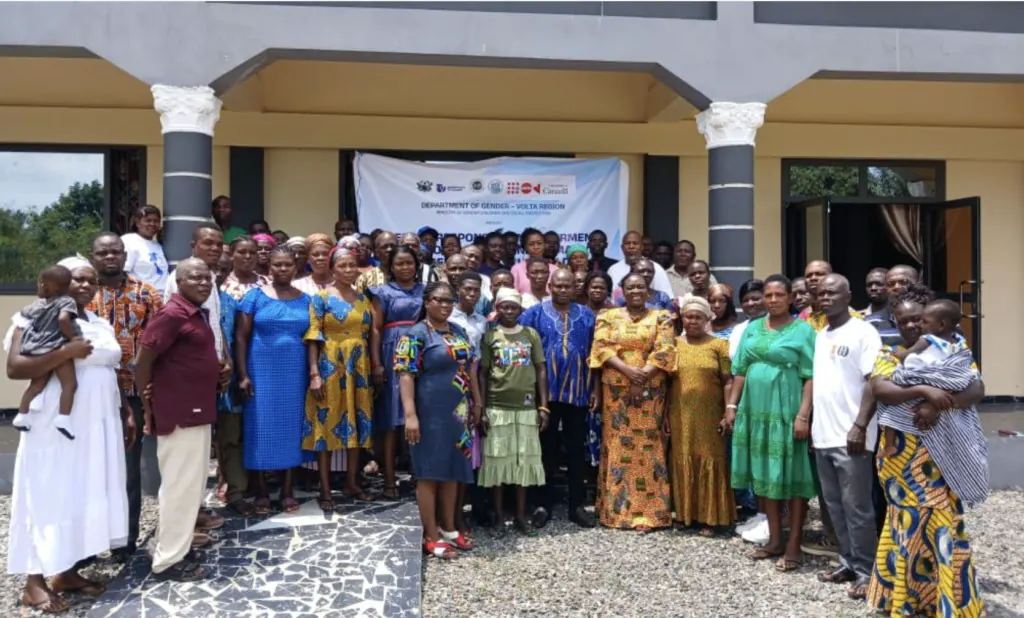
The session, which brought together 30 parents and caregivers from 18 communities in the district, was part of the Gender Responsive Empowerment and Adolescent Transformative (GREAT) Model Households initiative. The initiative aims to turn homes into safe and supportive spaces for adolescents, particularly girls, to reach their full potential. Discussions covered topics such as gender socialization, adolescent sexual and reproductive health rights, and parent-child communication.
The parents specifically called on the government to configure the tablets to restrict access to inappropriate websites, citing the negative impact of exposure to adult content on students' behavior and academic performance. District officials who spoke at the event emphasized the need for stronger parental engagement in addressing the issue. The Central Tongu District Chief Executive, Addison Mornyuie, urged parents to remain committed to properly caring for their children.
The Volta Regional Director of the Department of Gender, Thywill Eyra Kpe, said the initiative aims to empower participants to support adolescent development not just in individual homes but across the district. A Senior Midwifery Officer at the Adaklu-Ahunda Health Centre, Ernestine Amehoe, advised parents to build closer relationships with their children to talk openly about the challenges they face, warning that neglect often pushes young people into unacceptable behavior.
The concerns raised in Adidome point to a gap in content controls that could affect students well beyond Central Tongu District, as the same tablets and distribution model are used across the country's SHS system. It is unclear whether similar complaints have been raised in other districts or whether the Ghana Education Service has previously installed content-filtering software on the devices.
The report does not state whether the Ghana Education Service or the Ministry of Education has responded to the parents' request, and no timeline has been given for when, or whether, the tablets might be reconfigured to restrict access to adult websites. Participants at the Adidome session developed household and community action plans to guide them in applying what they learned and are expected to serve as advocates for adolescent development.
The outcome of the parents' request remains uncertain, but the issue highlights the need for effective content controls on devices distributed to students as part of Ghana's digital education policy. The government's response, or lack thereof, will likely have implications for students across the country who use the tablets for learning.
Key points
- Parents in Ghana's Central Tongu District demand government-issued tablets be reconfigured to block adult content.
- The tablets are part of Ghana's free Senior High School digital education policy.
- The issue highlights the need for effective content controls on devices distributed to students.