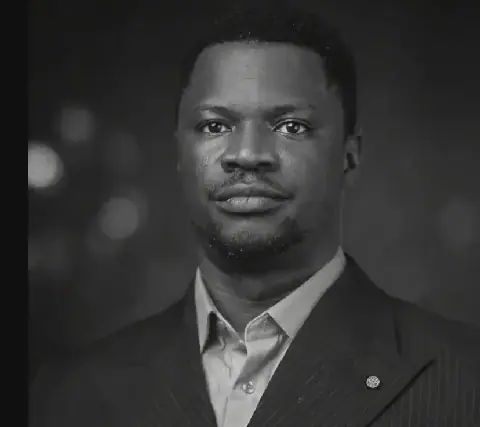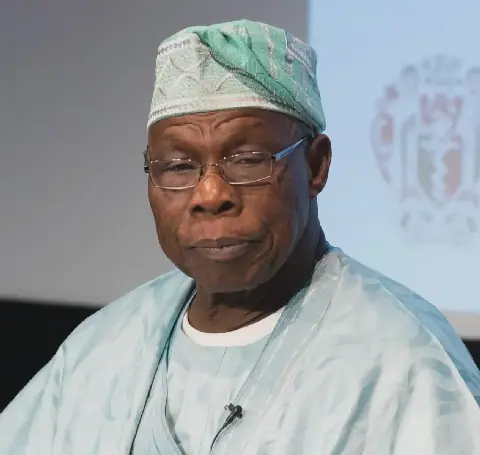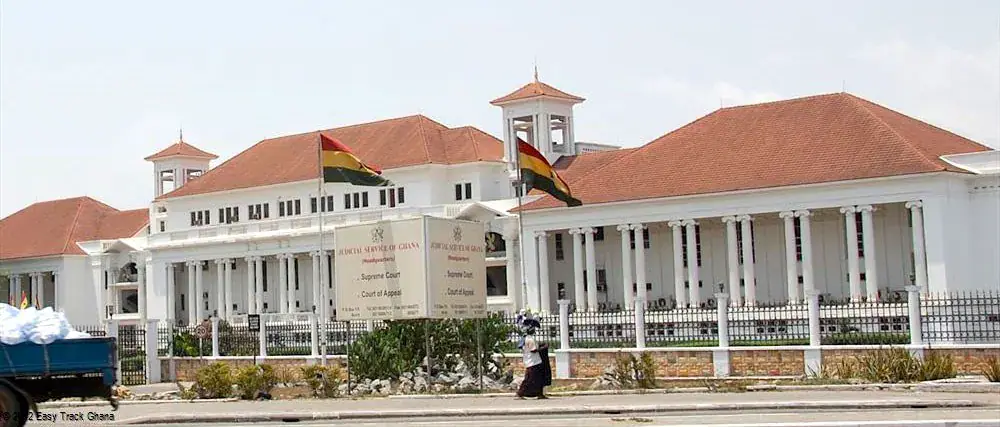
Tema East MP Isaac Ashai Odamtten has proposed that the Judiciary and Parliament each receive a fixed percentage of the Consolidated Fund. This move aims to reduce the Executive's control over the funding of these arms of government. Odamtten's suggestion comes as the Judicial Service Staff Association of Ghana (JUSAG) strike continues, exposing the Judiciary's dependence on the Executive for financial matters. The strike has resulted in the shutdown of courts across Ghana.
The JUSAG strike has highlighted the challenges faced by the Judiciary in settling its staff's pay without Executive approval. Odamtten argued that this situation undermines the independence of the Judiciary. He suggested allocating one to two percent of the Consolidated Fund to each arm, with the Executive managing the rest. This proposal seeks to ensure practical independence for the Judiciary and Parliament. Odamtten emphasized that matters like salaries and allowances require Executive approval, which affects the separation of powers.
Odamtten drew a distinction between labour disputes involving ministries and those involving the Judiciary. He stated that disputes affecting the Judiciary's operations become more troubling when financial decisions are outside its control. The MP noted that conversations are ongoing about giving independent constitutional bodies greater autonomy over their funding. He believes the Judiciary and Parliament deserve similar treatment to strengthen Ghana's governance structures.
The proposal would require amending the current constitutional or legislative framework governing the Consolidated Fund's disbursement. Odamtten's intervention has reopened a wider debate in Parliament about the Executive's control over the courts and legislature. His proposal needs to clear significant constitutional hurdles before taking effect. The JUSAG strike has resulted in thousands of arrested persons being locked out of bail proceedings.
The Coalition of NGOs in the Justice Sector (COMOG) has urged President John Mahama to intervene in the strike. COMOG warned that remand prisoners are missing scheduled bail hearings due to the courts' inability to sit. The strike's impact was felt at the Amasaman Court, where court users, including a Kumasi couple, were turned away. JUSAG is demanding revised salaries, payment of outstanding arrears, and a formal written agreement with the government.
Odamtten is the Vice Chairman of Parliament's Employment, Labour Relations and Pensions Committee. He made these suggestions in an interview with JoyNews. The Tema East MP's proposal aims to address the Judiciary's dependence on the Executive for funding. This dependence has been exposed by the ongoing JUSAG strike. The strike has entered its second week, with courts across Ghana remaining closed.
The JUSAG strike has significant implications for Ghana's justice system. Odamtten's proposal seeks to address the systemic issues highlighted by the strike. The MP's suggestion has sparked a debate about the funding of the Judiciary and Parliament. A decision on the proposal is yet to be made, but it has the potential to impact Ghana's governance structures.
Key points
- The proposal would require amending the current constitutional or legislative framework governing the Consolidated Fund's disbursement.