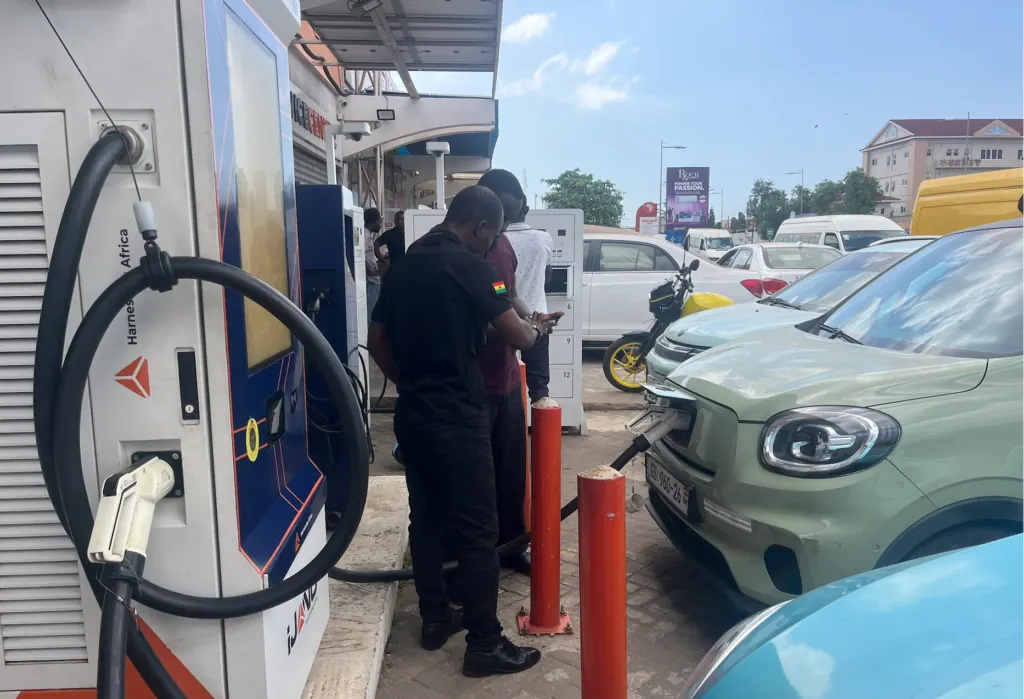
Ghana is taking steps to regulate its rapidly growing electric vehicle (EV) charging sector. The Energy Commission has completed regulations for EV charging stations and battery-swapping systems, which are currently undergoing the necessary approval process in Parliament. This move aims to ensure that the development of charging infrastructure keeps pace with the growing adoption of electric vehicles in the country.
The Energy Commission, in collaboration with the Ministry of Transport, has developed standards for electric cars, motorcycles, and tricycles intended for the Ghanaian market. These standards will help ensure that electric vehicles entering the country meet certain safety and performance requirements. The Commission is working with relevant institutions to establish a clear regulatory framework for the emerging sector.
One of the key aspects of the regulatory framework is the management of used EV batteries. The Energy Commission has incorporated provisions for battery management into the regulations to prevent the emerging sector from creating a future waste problem. EV batteries can be recycled for other uses, and the Commission will support the Environmental Protection Agency (EPA) in enforcing requirements covering the management of hazardous and electronic waste.
The regulations will require operators within the charging infrastructure sector to comply with provisions relating to the collection and recycling of batteries. Licensed agents will be expected to undertake the recovery, recycling, repurposing, and eventual disposal of batteries in accordance with the EPA's requirements. This will help prevent environmental pollution and promote sustainable practices in the sector.
The growing EV market in Ghana presents opportunities for investment in charging infrastructure. The Energy Commission has completed a market opportunity study to provide information for potential investors. The government is also considering solar-based EV charging stations, which could help reduce the country's reliance on fossil fuels and promote renewable energy.
Establishing a regulatory framework will help streamline the sector and provide clarity for investors and operators as EV adoption increases. The Commission will continue working with the Ministry of Transport and other relevant institutions to support the development of electric mobility in Ghana. This will help promote the adoption of electric vehicles and reduce the country's carbon footprint.
According to Ms. Joyce Caitlyn Ocansey, Programme Coordinator of the Drive Electric Programmes at the Energy Commission, the developing EV market presents opportunities for investment in charging infrastructure. She emphasized that the Commission's goal is to ensure that the development of charging infrastructure keeps pace with the growing adoption of electric vehicles in the country.
Key points
- The Energy Commission has completed regulations for EV charging stations and battery-swapping systems.
- The regulations aim to promote sustainable practices and prevent environmental pollution.
- The growing EV market in Ghana presents opportunities for investment in charging infrastructure.