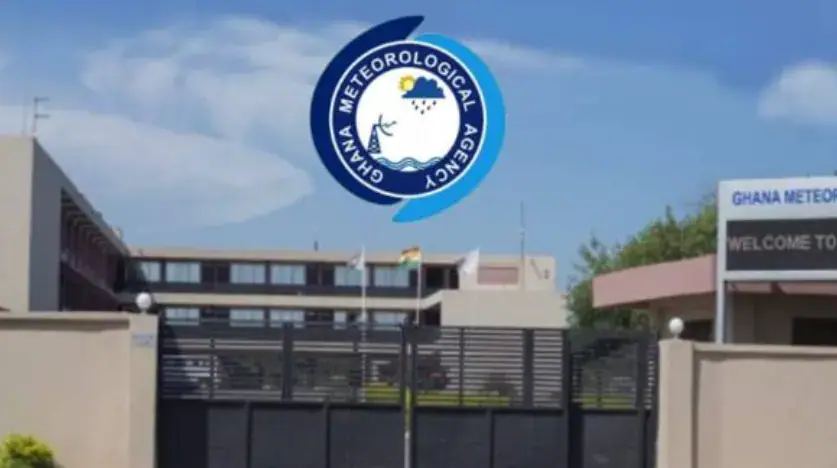
The Ghana Meteorological Agency (GMeT) has initiated a series of reforms aimed at enhancing its operational capacity and improving the delivery of weather and climate information. These reforms are part of a broader effort to position Ghana as a regional centre for meteorological training. According to Chairman of the GMeT Board, Selassie Woanyah, the reforms include developing a new legal framework that reflects the agency's current mandate and implementing a five-year strategic plan.
The new legal framework is necessary because the current law no longer adequately reflects GMeT's expanded mandate and operational responsibilities. The five-year strategic plan was developed with support from the Danish Meteorological Institute, following a comprehensive assessment of the agency's operations and an information technology gap analysis. This plan is expected to guide GMeT's operations and development over the next five years.
As part of its efforts to strengthen professional capacity, GMeT has begun consultations towards establishing a specialised training centre focused on marine development and meteorology. The centre aims to strengthen Ghana's meteorological training capacity and position the country as a hub for such training in the sub-region. A team has been constituted to advance the initiative, with work ongoing to secure approval from the World Meteorological Organisation by February 2027.
GMeT has also reviewed and approved key institutional policies, including training and travel policies, while placing greater emphasis on staff welfare. Chairman Woanyah stressed that the effectiveness of meteorological services should not be measured solely by the accuracy of forecasts, but also by whether the information reaches the right people at the right time. This is particularly important in communities vulnerable to extreme weather events.
The need for improved communication of weather information was highlighted by the torrential rains that devastated communities and destroyed livelihoods in parts of southern Ghana in June 2026. Chairman Woanyah noted that the incident reinforced the need for GMeT to improve how weather information is communicated and understood by the public. The agency is working to address this challenge and ensure that its services are more effective in supporting national development.
However, GMeT faces outstanding challenges, including an unresolved dispute with the Ghana Civil Aviation Authority. Chairman Woanyah expressed concern that the matter had remained unresolved for too long, affecting both institutions. The Board is working towards resolving it before the end of the first quarter of 2027, with support from the sector minister and other relevant agencies.
The Danish Ambassador to Ghana, Jakob Linulf, acknowledged GMeT's work and highlighted the importance of cooperation between Ghana and Denmark in strengthening meteorological services. Prof. Michael Kpessa-Whyte emphasised the critical role of meteorological information in protecting lives and supporting economic development. The reforms initiated by GMeT are expected to enhance the agency's capacity to provide effective meteorological services and support national development.
Key points
- GMeT is establishing a specialised training centre focused on marine development and meteorology to strengthen Ghana's meteorological training capacity.