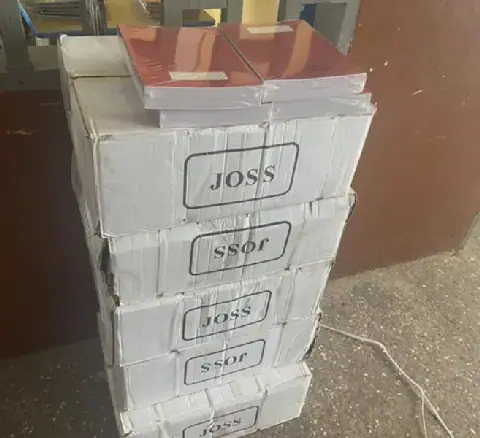
The Ghana Medical Trust Fund (GMTF) has extended its nationwide healthcare support with the delivery of critical medical equipment to nine hospitals, as part of its first-anniversary activities. The equipment, which includes ultrasound machines, oxygen concentrators, an oxygen plant, X-ray machines, and printers, was delivered to hospitals in various regions, including Volta, Greater Accra, and Northern regions. This intervention aims to strengthen the capacity of the beneficiary facilities to diagnose conditions promptly, respond to emergencies, and provide quality care to patients.
The beneficiary hospitals are the Volta Regional Hospital, Sefwi-Wiawso Government Hospital, Bole Municipal Hospital, Greater Accra Regional Hospital, Worawora Government Hospital, Wa Municipal Hospital, Kumasi South Hospital, Eastern Regional Hospital, and Northern Regional Hospital. The latest support builds on previous equipment interventions undertaken by the GMTF at other health facilities across the country. The Fund continues to channel resources towards critical gaps affecting healthcare delivery.
The GMTF's "Day of Giving" initiative is part of its first-anniversary activities, which focuses on leaving a practical and lasting impact on health facilities and patients. Rather than limiting its anniversary to ceremonial activities, the GMTF has chosen to mark its first year with interventions designed to improve healthcare delivery. The equipment delivered will help health professionals undertake essential imaging closer to the point of care, potentially reducing delays associated with accessing diagnostic services.
At the Volta Regional Hospital, the ultrasound machines are expected to strengthen diagnostic capacity and support faster clinical decision-making. The equipment will enable health professionals to assess and manage patients more effectively. Management of the Bole Municipal Hospital expressed appreciation for the support, noting that improved access to essential equipment would help strengthen service delivery and ease some of the pressure on healthcare workers.
The Medical Director of the Greater Accra Regional Hospital, Dr. Leslie Issah Adam Zakariah, commended the GMTF for the intervention and pledged the hospital's continued collaboration with the Fund. He assured the GMTF that the equipment would be put to effective use to improve patient care and support healthcare professionals in the discharge of their duties. The Administrator of the GMTF, Adjoa Obuobia Darko-Opoku, said the Fund would continue to engage health facilities to identify their most pressing needs and develop interventions capable of making a measurable difference.
The latest distribution forms part of the GMTF's broader strategy of identifying critical gaps in healthcare facilities and directing resources to areas where equipment shortages can affect diagnosis, emergency response, and treatment. Since commencing operations, the Fund has supported health facilities with various forms of medical equipment and infrastructure interventions, complementing its support for patients requiring specialised and chronic disease care.
The significance of the latest intervention will ultimately be measured by the impact it has on patients and healthcare professionals. The equipment delivered will enable patients to be assessed closer to the point of care, and health professionals will have the right equipment to make critical clinical decisions. The GMTF's commitment to ensuring that its work translates into tangible improvements for both health professionals and patients is reflected in its decision to include equipment support in its first-anniversary activities.
Key points
- The Ghana Medical Trust Fund has delivered critical medical equipment to nine hospitals across the country.
- The equipment delivered includes ultrasound machines, oxygen concentrators, an oxygen plant, X-ray machines, and printers.
- The intervention aims to strengthen the capacity of the beneficiary facilities to diagnose conditions promptly, respond to emergencies, and provide quality care to patients.