In the early 1950s, the Korean Peninsula was devastated by a three-year war that left over 70 percent of its infrastructure and territory in ruins, with South Korea being one of the poorest nations globally. However, through concerted efforts and strategic partnerships, Korea has transformed into an economic powerhouse. Ghana, currently seeking to bolster its development, is poised to draw lessons from Korea's remarkable turnaround. The West African nation is looking to leverage its relationship with Korea to address pressing challenges, including climate change.
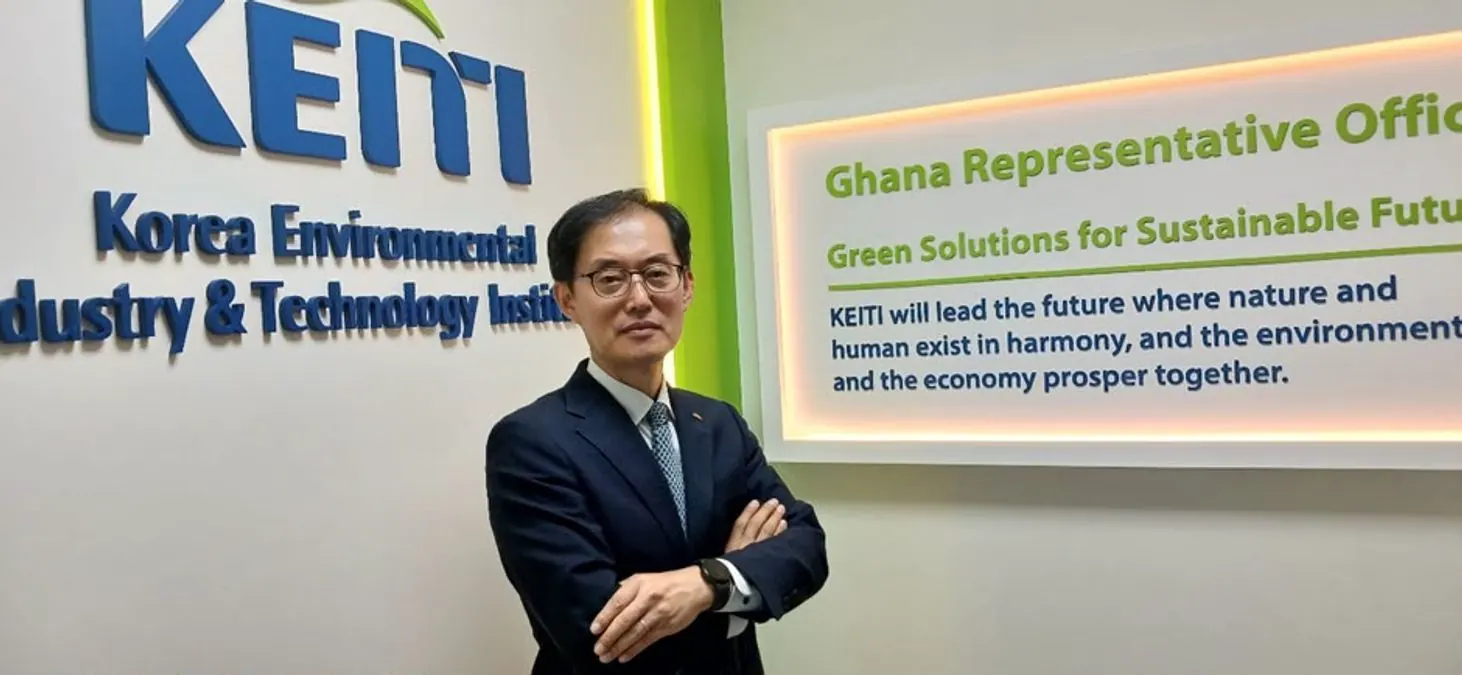
Hong Seok Kim, Chief Representative of the Korea Environmental Industry & Technology Institute (KEITI) Ghana Office, has emphasized the strategic importance of the Ghana-Korea climate partnership. According to him, this collaboration is critical in addressing global climate challenges and supporting Ghana's development aspirations. As Korea celebrates the 50th anniversary of its remarkable economic transformation, Ghana is seeking to tap into the country's expertise in areas such as environmental management and sustainable development.
The Ghana-Korea climate partnership is expected to focus on areas such as climate change mitigation, adaptation, and resilience. Korea has made significant strides in reducing its carbon footprint and transitioning to a low-carbon economy. Ghana, which is highly vulnerable to the impacts of climate change, stands to benefit from Korea's expertise in areas such as renewable energy, energy efficiency, and sustainable land use.
The partnership is also expected to promote knowledge sharing and technology transfer between Ghana and Korea. This will enable Ghana to leverage Korean expertise and technology to address its climate challenges. Additionally, the partnership will provide opportunities for Ghanaian businesses and institutions to collaborate with their Korean counterparts, promoting economic growth and development.
As part of efforts to strengthen the partnership, Ghana and Korea are expected to explore areas of cooperation such as climate-resilient infrastructure, climate-smart agriculture, and sustainable water management. These areas of cooperation will help Ghana to build resilience to the impacts of climate change and promote sustainable development.
The Ghana-Korea climate partnership is also expected to have positive implications for the global community. As the world grapples with the challenges of climate change, partnerships between countries are critical in addressing this global challenge. The Ghana-Korea partnership serves as a model for other countries to follow, demonstrating the importance of collaboration and knowledge sharing in addressing climate change.
As Korea celebrates 50 years of remarkable economic transformation, the country is poised to share its expertise and experience with other nations. For Ghana, the partnership with Korea presents an opportunity to draw lessons from the country's transformation and apply them to its own development challenges. The partnership is expected to contribute to Ghana's efforts to achieve sustainable development and reduce its vulnerability to the impacts of climate change.
Key points
- The Ghana-Korea climate partnership is critical in addressing global climate challenges and supporting Ghana's development aspirations.
- Korea has made significant strides in reducing its carbon footprint and transitioning to a low-carbon economy, and Ghana stands to benefit from this expertise.
- The partnership will promote knowledge sharing and technology transfer between Ghana and Korea, enabling Ghana to leverage Korean expertise and technology to address its climate challenges.