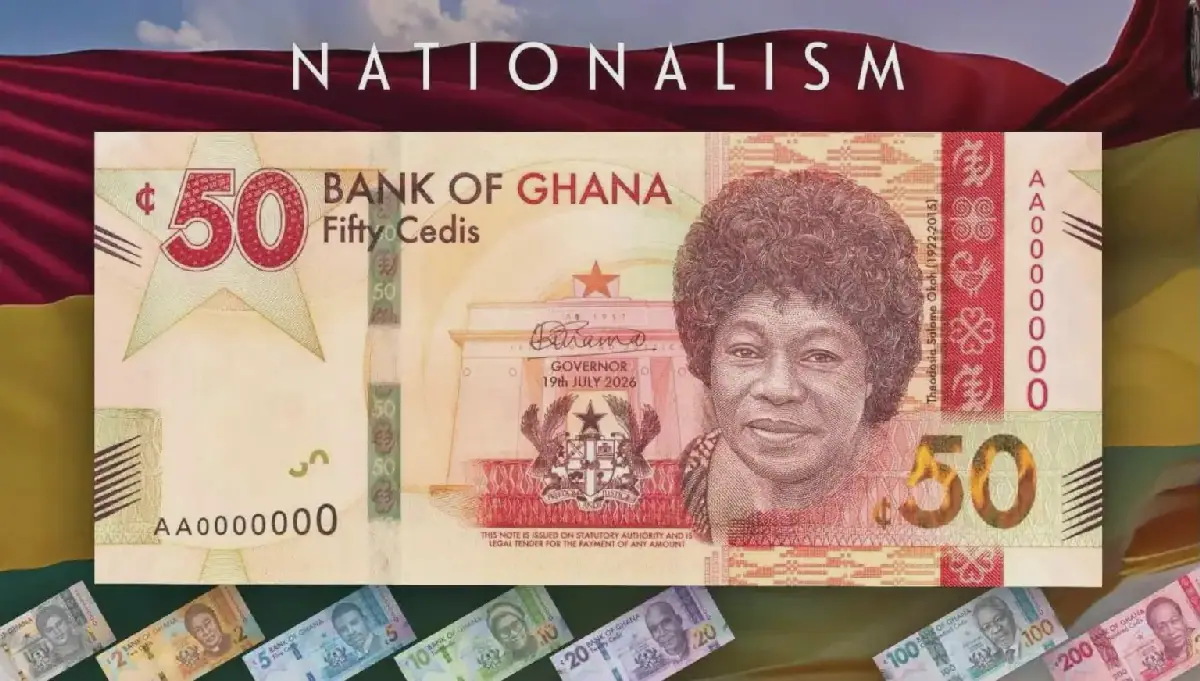
The Bank of Ghana has introduced a new currency series, the Ghana Cedi Heritage Series, which features enhanced security features and celebrates distinguished personalities, national landmarks, and Ghanaian cultural symbols. The new series was unveiled on November 12, 2026. This development is part of Ghana's ongoing efforts to modernize its currency and preserve national identity. The Heritage Series aims to showcase Ghana's rich cultural heritage and history.
The new currency series includes a GH¢2 note featuring Cardinal Peter Porekuu Dery, a distinguished Ghanaian Catholic religious leader, on the obverse. The reverse of the note features the historic Larabanga Mosque, reflecting Ghana's religious diversity and tradition of peaceful coexistence. This design choice is intended to recognize national heritage and promote unity. The inclusion of religious symbols on the currency has sparked conversations about the relationship between money, religion, and Christian giving.
President Mahama has announced a three-month ban on raw cashew exports, effective November 16, 2026, as part of efforts to regulate the industry and promote value addition. The ban is expected to help Ghana maximize its revenue from cashew exports. The President also hinted at plans to introduce an export levy on cashew exports. This move aims to support the growth of the local economy and promote sustainable development.
The evolution of Ghana's currency reflects the country's economic transformation and historical development. From traditional systems of exchange involving cowrie shells and gold dust to the introduction of the cedi and subsequent monetary reforms, Ghana's currency has undergone several changes. These developments have been influenced by economic needs, technological advancements, and the desire to preserve national identity.
The history of money in Ghana provides an important context for understanding the significance of the Heritage Series. Long before the introduction of modern currency, people living in present-day Ghana engaged in trade through barter. The introduction of cowrie shells and gold dust as mediums of exchange marked an important milestone in Ghana's economic development. The word cedi itself originates from the Akan word sedie, meaning cowrie shell.
The Bank of Ghana's introduction of the new currency series is part of its efforts to ensure the security and integrity of the national currency. The Heritage Series features advanced security features designed to prevent counterfeiting and promote confidence in the currency. The central bank has emphasized the importance of preserving national identity and promoting economic development through its currency management policies.
The new currency series is expected to contribute to Ghana's economic development by promoting national pride and unity. The Heritage Series celebrates Ghana's rich cultural heritage and history, showcasing the country's achievements and aspirations. The introduction of the new currency series is also expected to support the growth of the local economy and promote sustainable development.
Key points
- The Bank of Ghana introduces new currency series with enhanced security features and national symbols.