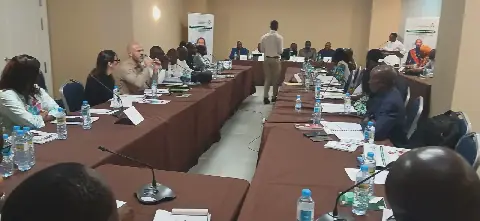
The Ghana Association of Public Health Technical Officers (GAPHTO) has warned of increased risks of yellow fever and cerebrospinal meningitis (CSM) as Ghana enters the dry season. According to GAPHTO, changing weather patterns and rising temperatures could increase exposure to mosquito bites, particularly as people resort to sleeping outdoors to escape the heat. This warning follows the Ministry of Health's October 9, 2026 declaration of a yellow fever outbreak in the Upper West Region.
Yellow fever is a virus spread by infected mosquitoes, and it gets its name from the yellow discoloration of the skin and eyes that occurs in severe cases. The disease causes jaundice, a condition that turns the skin and the whites of the eyes yellow. GAPHTO has urged the public to wear long-sleeved clothing, apply mosquito repellents, sleep under insecticide-treated nets, and clear stagnant water and other potential mosquito breeding sites to prevent the spread of the disease.
Cerebrospinal meningitis (CSM) is a dangerous swelling of the protective thin layers covering the brain and spinal cord. GAPHTO has warned communities, particularly those within the meningitis belt, to remain alert to possible cerebrospinal meningitis outbreaks as the dry season approaches. The association has commended residents of affected districts for cooperating with the reactive vaccination campaign conducted from October 14 to 18.
GAPHTO has also commended Disease Control Officers and other health workers for their efforts in containing the outbreak. However, the association has stressed that sustained vigilance and active surveillance remain critical while awaiting laboratory confirmations. GAPHTO has urged the public to watch for yellow fever symptoms, including sudden fever, headache, muscle and back pain, nausea, vomiting, and weakness.
The association has warned that severe cases of yellow fever could cause yellowing of the eyes and skin, dark urine, and bleeding. GAPHTO has cautioned that yellow fever is often mistaken for malaria and has urged the public to report promptly to a health facility and avoid self-medication. The association has also encouraged eligible persons in affected districts to take the yellow fever vaccine when offered, describing it as safe and effective.
GAPHTO has called on the government and development partners to strengthen laboratory testing capacity in Ghana and provide frontline surveillance teams with fuel, motorbikes, sample-transport kits, protective equipment, and allowances. The association has also urged people experiencing fever, severe headache, neck stiffness, or other suggestive symptoms to seek immediate medical attention.
GAPHTO remains ready to work with the Ministry of Health, Ghana Health Service, the World Health Organisation, and other partners to contain the outbreak. The association has stressed that vaccination, early detection, prompt treatment, and community participation are essential to protecting public health.
Key points
- The Ghana Association of Public Health Technical Officers warns of heightened risks of yellow fever and cerebrospinal meningitis as Ghana enters the dry season.
- The association urges the public to take precautions to prevent the spread of the diseases, including wearing long-sleeved clothing and sleeping under insecticide-treated nets.
- GAPHTO calls on the government and development partners to strengthen laboratory testing capacity in Ghana.
Reporting sources
- GAPHTO urges vigilance against yellow fever, CSM outbreaks · The Ghanaian Times