The government of Ghana is set to overhaul the collection of property rates at the local government level by introducing a centrally controlled electronic payment system. This move is aimed at addressing the inefficiencies, inconvenience, and alleged leakages associated with the existing property rate collection system. According to the Minister of Local Government, Chieftaincy and Religious Affairs, Mahama Ayariga, the reform is intended to ensure that Metropolitan, Municipal, and District Assemblies (MMDAs) receive adequate funding to perform their responsibilities as service providers.
The existing property rates system has been affected by inefficiencies and corruption, including situations where monies paid by property owners allegedly end up in private hands. The Minister stated that the government would introduce a centrally controlled collection mechanism that would eliminate cash payments. This move is expected to improve service delivery at the local level and encourage property owners to comply with their tax obligations. The Minister argued that residents are more likely to pay property rates when they can see tangible services being provided by their local authorities.
The proposed electronic payment system is part of a broader effort to strengthen the financial capacity of local government authorities and improve service delivery. The Minister stated that discussions are ongoing with development partners to ensure that stakeholders are aligned with the proposed reforms. The government aims to ensure that property owners can easily pay their rates through a secure and transparent system, reducing the risk of corruption and increasing revenue collection.
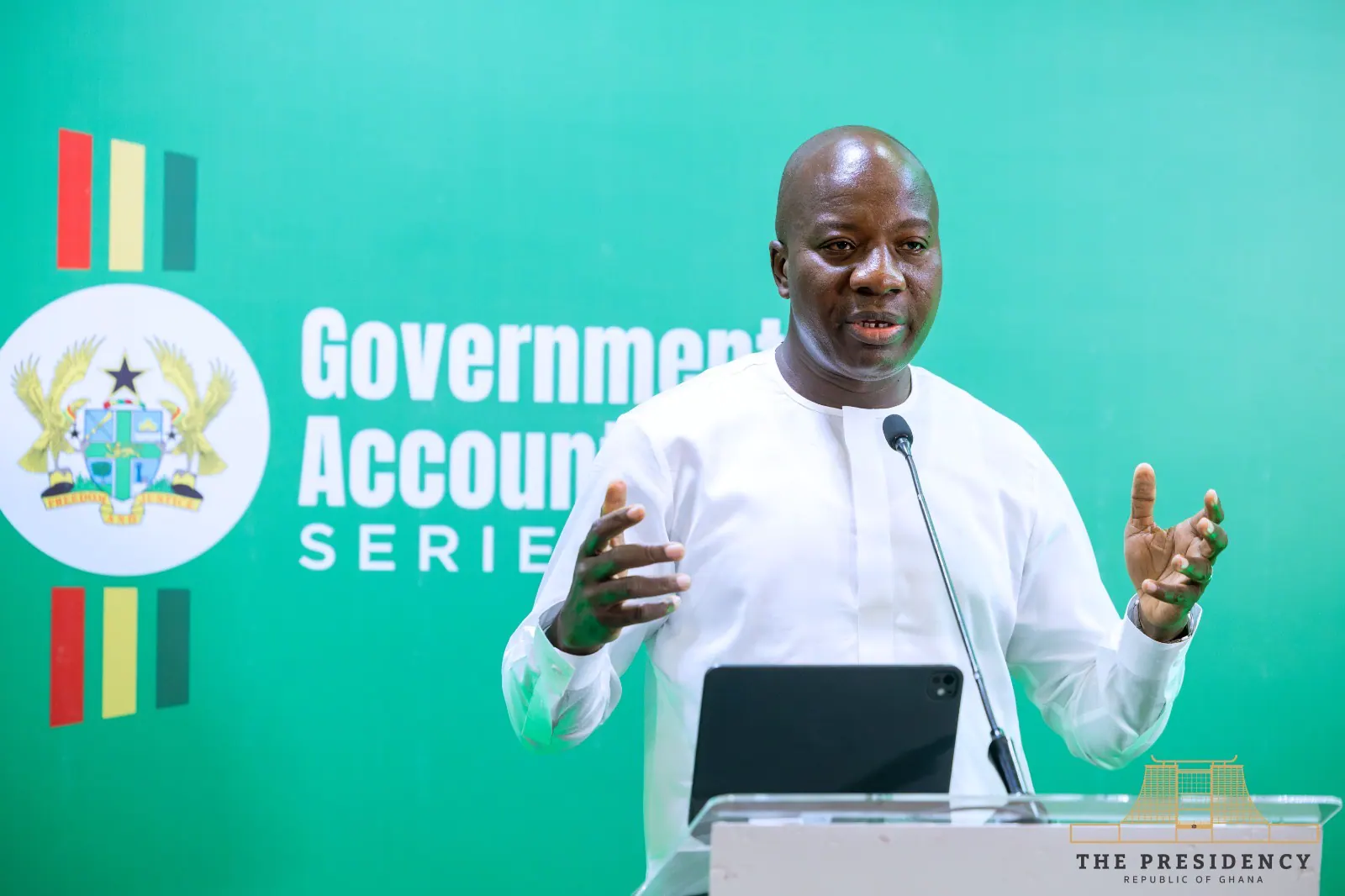
The Local Government Minister, Mahama Ayariga, made these remarks at the Government Accountability Series at the Presidency. He stated that the Ministry is in discussions with President John Mahama and Finance Minister Dr. Cassiel Ato Forson to recalibrate the property rates regime. The Minister emphasized that the objective is to ensure that MMDAs receive adequate funding to perform their responsibilities as service providers.
The introduction of the electronic payment system is expected to improve accountability and transparency in the collection of property rates. The Minister stated that the government would ensure that property owners can easily access information about their tax obligations and make payments through a secure and transparent system. This move is expected to increase revenue collection and reduce the risk of corruption.
The government aims to implement the electronic payment system to improve service delivery at the local level. The Minister stated that residents are more likely to pay property rates when they can see tangible services being provided by their local authorities. The government aims to ensure that property owners can see the value of their tax payments and are encouraged to comply with their tax obligations.
The proposed reforms are part of a broader effort to strengthen the financial capacity of local government authorities and improve service delivery. The Minister stated that discussions are ongoing with development partners to ensure that stakeholders are aligned with the proposed reforms. The government aims to ensure that the electronic payment system is implemented in a way that is efficient, secure, and transparent.
Key points
- The Ghanaian government plans to introduce an electronic payment system for property rates to address inefficiencies and corruption.
- The existing property rates system has been affected by inefficiencies and corruption.
- The government aims to improve service delivery at the local level and encourage property owners to comply with their tax obligations.