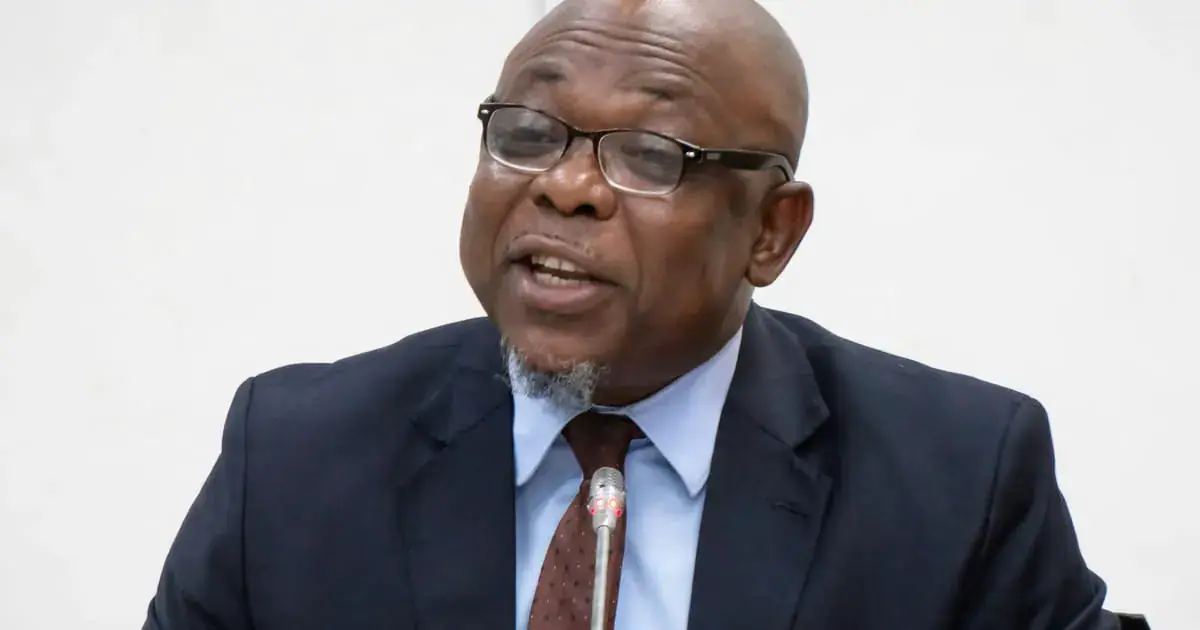
The Ghanaian government has made significant progress in implementing its 24-hour economy policy, with over 300 filling stations across the country incentivized to operate a three-shift system. According to Majority Leader James Agalga, this intervention is evidence that the policy is already yielding results. The policy aims to stimulate economic growth, create jobs, and boost productivity by encouraging businesses and public institutions to operate 24/7.
Speaking at a Leaders' Media Briefing on November 3, Mr. Agalga emphasized that the 24-hour economy is a process, not an event. He insisted that the policy is on course, despite criticisms from the Minority. In response to demands for concrete examples of the policy's implementation, Mr. Agalga pointed to the petroleum retail sector, highlighting the over 300 filling stations that have started running the three-shift system.
Mr. Agalga expressed surprise that many of the stations were previously not operating 24-hour services. He stated that the figure would be even higher when manufacturing companies that have signed onto the policy are included, estimating that the total number could be around 500. The government's incentives for businesses to adopt the 24-hour economy include cheaper electricity for off-peak operations, tax waivers, and security support.
The 24-hour economy is a flagship policy of the National Democratic Congress (NDC) government, aimed at driving economic growth and development. The programme was officially launched earlier this year, with priority sectors such as manufacturing, agro-processing, transport, and retail services identified for initial rollout. The policy seeks to create a more productive and competitive economy.
Mr. Agalga's announcement has been seen as a significant milestone in the implementation of the 24-hour economy policy. The Majority Leader's comments come at a time when the policy has faced criticisms from the Minority, who have questioned its effectiveness. The government's efforts to incentivize businesses to adopt the policy have been seen as a key step in addressing these concerns.
The implementation of the 24-hour economy policy has the potential to create new job opportunities and stimulate economic growth. With over 300 filling stations already on board, the government is confident that the policy will yield positive results. Further details on the policy's implementation and impact are expected to be released in the coming weeks.
As the government continues to roll out the 24-hour economy policy, businesses and stakeholders are eagerly awaiting its full implementation. With its focus on driving economic growth and development, the policy has the potential to transform Ghana's economy. The government's commitment to incentivizing businesses to adopt the policy will be crucial in determining its success.
Key points
- The Ghanaian government has incentivized over 300 filling stations to operate a three-shift system under its 24-hour economy programme.
- The 24-hour economy policy aims to stimulate economic growth, create jobs, and boost productivity.
- The policy's implementation has faced criticisms from the Minority, but the government remains confident in its effectiveness.