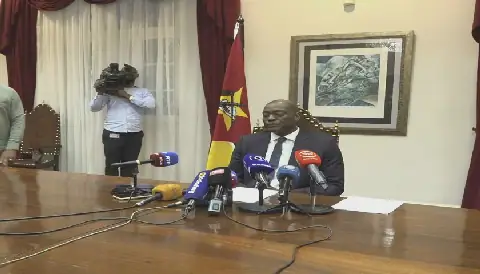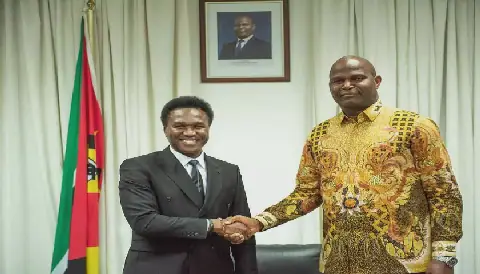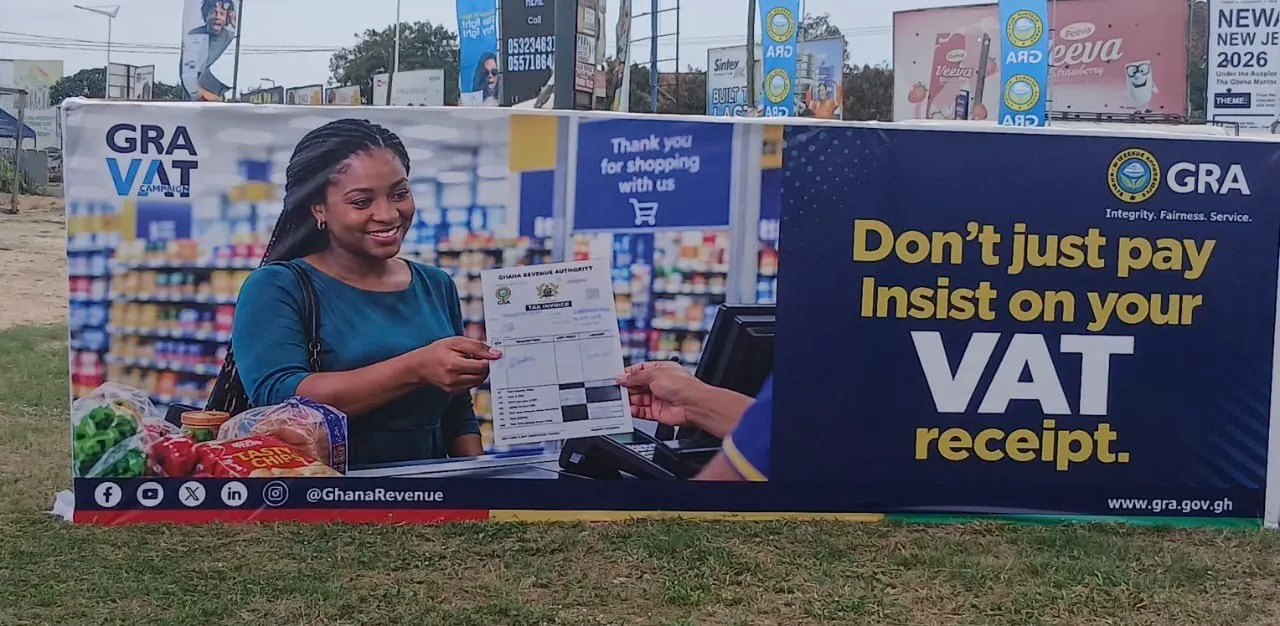
The Ghana Revenue Authority (GRA) has revealed that the country collects only about 40% of the Value Added Tax (VAT) owed, leaving a significant compliance gap. According to Dr. Martin Kolbil Yamborigya, Commissioner of the Domestic Tax Revenue Division at GRA, this shortfall is a national challenge requiring collective action. The GRA has launched a nationwide campaign to encourage businesses and consumers to demand VAT invoices, promoting tax compliance as a shared civic duty.
VAT is a consumption tax charged on most goods and services sold in Ghana, collected by registered businesses on behalf of the state and remitted to GRA. However, when shoppers fail to ask for VAT invoices, some businesses pocket the tax instead of handing it over, or under-report their sales, widening the VAT gap. Dr. Yamborigya stated that GRA records show about 60,000 active VAT taxpayers, but compliance among them remains a major challenge despite previous reforms to the VAT regime.
The Commissioner emphasized that VAT is one of Ghana's most important sources of domestic revenue, financing essential public services such as schools, hospitals, roads, and security. The shortfall directly affects funding available for these services, which ordinary Ghanaians rely on. Dr. Yamborigya urged businesses to register for VAT, issue approved VAT invoices, file accurate returns, and properly account for VAT collected from customers.
The GRA's nationwide campaign, themed "Request your VAT Invoice, Help Build Our Nation," aims to build a fairer tax system and promote transparency. Dr. Yamborigya appealed to consumers to demand VAT invoices whenever they buy goods or services, saying this simple habit would improve transparency, protect law-abiding businesses, and give GRA better data to monitor economic activity.
The Ghana Union of Traders Association (GUTA) has welcomed the campaign, pledging support for its implementation. GUTA President, Mr. Clement Boateng, asked GRA's enforcement teams to apply a human face during compliance exercises. The GRA has promised to engage businesses first before taking action against deliberate or persistent non-compliance.
The VAT push follows GRA's broader efforts to modernize tax administration and improve compliance, including its advance ruling system for importers. Dr. Yamborigya said the new campaign will be backed by compliance visits, risk-based audits, data-driven assessments, and intensified taxpayer education. The GRA plans to strengthen its use of technology, data analytics, and digital services to identify businesses operating outside the VAT system.
The Commissioner called on businesses, professional associations, the media, consumers, and GRA staff to back the campaign, saying a stronger culture of voluntary compliance would help close the gap and boost domestic revenue mobilization. No specific targets or timelines for closing the 60% shortfall have been announced. The GRA's efforts aim to promote a fairer tax system and improve domestic revenue mobilization.
Key points
- Ghana collects only 40% of VAT owed, leaving a significant compliance gap.
- GRA launches nationwide campaign to encourage businesses and consumers to demand VAT invoices.
- Campaign aims to build a fairer tax system, promote transparency, and boost domestic revenue mobilization.