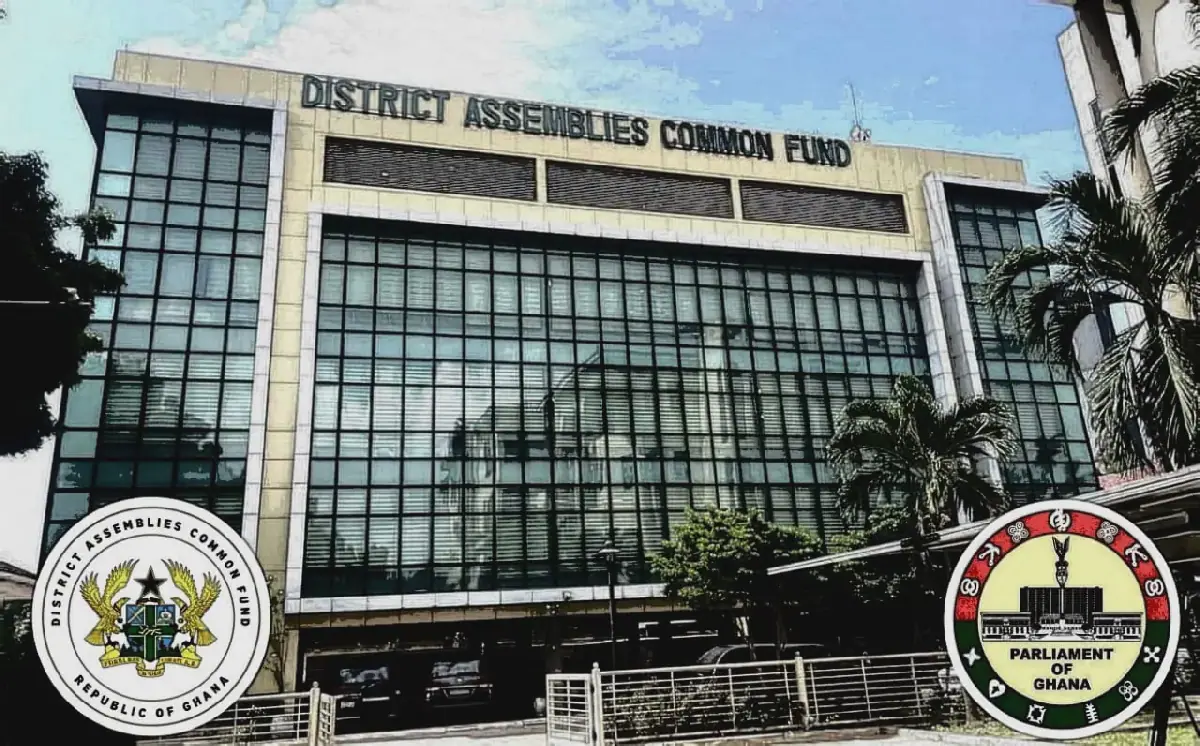
When Ghana's Finance Minister presents the national budget to Parliament, it sparks excitement and anticipation among citizens. They eagerly await allocations for new roads, education, healthcare, and other sectors. The budget prompts a national conversation, with citizens seeking answers to their questions. However, beyond the announcements and billions of cedis quoted, few citizens follow up on whether the allocated funds reach their districts and are used for intended purposes.
The challenge lies in tracking disbursement after the budget presentation, particularly how funds move from government institutions to communities. Citizens often overlook the budgets and financial records of institutions responsible for development, especially at the local level. One crucial institution to monitor is the Metropolitan, Municipal and District Assembly (MMDA), which plays a central role in planning and coordinating local development. The MMDA is also a key channel for public resources, including the District Assemblies Common Fund (DACF).
Understanding how DACF funds are allocated, disbursed, received, and spent empowers citizens to move beyond government announcements and assess local development progress. Citizens should pay attention to their District Assembly, as it is responsible for planning and coordinating development within their locality. By doing so, citizens can address local concerns, such as poor road conditions, inadequate school facilities, and lack of market infrastructure.
District Assemblies are local government structures responsible for planning and coordinating development within their jurisdictions. According to Article 245 of the 1992 Constitution, Assemblies are tasked with formulating and executing development plans and programmes for their districts. This makes them a crucial public institution to monitor when discussing local development.
Citizens can begin by finding out what their District Assembly does with allocated funds. They can access information on the assembly's budget, financial records, and development plans. This information helps citizens hold their assemblies accountable for using public funds effectively. By tracking public funds and monitoring local development projects, citizens can contribute to more transparent and accountable governance.
The FactSpace West Africa initiative aims to promote transparency and accountability in public spending. By providing citizens with the tools and knowledge to track public funds, the initiative seeks to enhance local development outcomes. Citizens can access resources and information on the initiative's website to learn more about following public funds and promoting accountability in their districts.
Key to promoting transparency and accountability is the role of citizens in demanding information and tracking public funds. By doing so, citizens can ensure that public resources are used effectively to address local development needs. Three key points for citizens to consider are: understanding how public funds are allocated and disbursed to District Assemblies; monitoring local development projects and their impact; and holding District Assemblies accountable for using public funds effectively.
Key points
- Citizens should track public funds from Parliament to District Assemblies to ensure accountability and transparency in local development projects.
- District Assemblies play a central role in planning and coordinating local development and are a key channel for public resources.
- Citizens can access information on their District Assembly's budget, financial records, and development plans to hold them accountable for using public funds effectively.
Reporting sources
- Beyond the Budget reading: How to follow the money from Parliament to your District Assembly · FactSpace West Africa