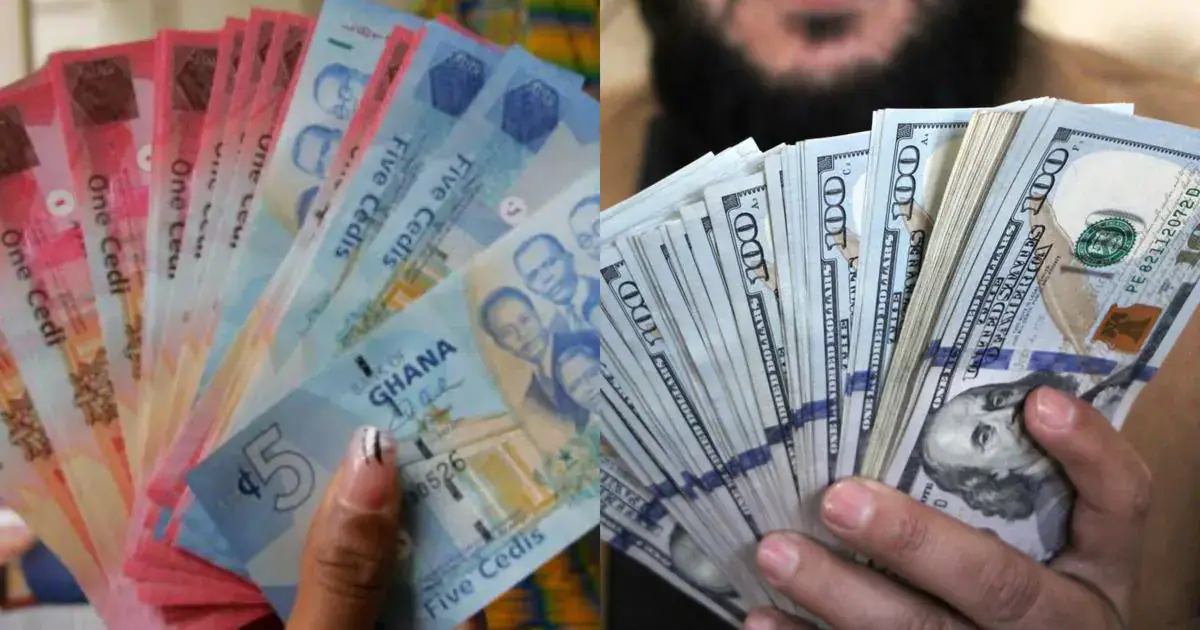
The Bank of Ghana's latest interbank rates reveal a boost for the cedi as it appreciated against the US dollar, pound sterling, and euro. The euro saw the largest drop, while dollar rates fell by over three pesewas. This development indicates that commercial banks were quoting fewer cedis for each unit of the three foreign currencies in the latest rate update.
The cedi strengthened against the US dollar, pound sterling, and euro, with the euro recording the largest decline, with its selling rate falling by GH¢0.0403. The dollar's buying and selling rates each dropped by GH¢0.0315. The figures show that the buying and selling rates of all three major currencies declined compared with the previous rates published on Friday, October 30.
The US dollar's buying rate fell from GH¢11.6457 to GH¢11.6142, representing a decline of GH¢0.0315. Its selling rate also dropped from GH¢11.6573 to GH¢11.6258, down by the same amount. This decline in the dollar's rates indicates a strengthening of the cedi against the dollar.
The pound sterling recorded a smaller reduction, with its buying rate moving from GH¢15.5656 to GH¢15.5549, a decrease of GH¢0.0107, while the selling rate fell from GH¢15.5823 to GH¢15.5704, representing a decline of GH¢0.0119. This reduction in the pound's rates suggests that the cedi is also gaining against the pound.
The euro recorded the largest reduction among the three currencies, with its buying rate decreasing from GH¢12.9952 to GH¢12.9559, down by GH¢0.0393. The selling rate also fell from GH¢13.0081 to GH¢12.9678, a reduction of GH¢0.0403. This significant decline in the euro's rates indicates a substantial strengthening of the cedi against the euro.
The Bank of Ghana said the rates represent average interbank figures used by commercial banks for transactions at the close of business on Friday, October 30. They serve as reference rates and may differ from the exchange rates offered by individual banks and foreign exchange bureaux. These rates provide a benchmark for businesses and individuals engaging in foreign currency transactions.
The cedi's appreciation could reduce the cost of imported goods and services, ease pressure on businesses that rely on foreign currency for payments, and potentially help moderate imported inflation. However, the extent of these benefits will depend on whether the gains are sustained. If the cedi continues to appreciate, it could have a positive impact on Ghana's economy.
Key points
- The Ghana cedi has appreciated against the US dollar, pound sterling, and euro.
- The euro recorded the largest decline among the three currencies.
- The cedi's appreciation could reduce the cost of imported goods and services.