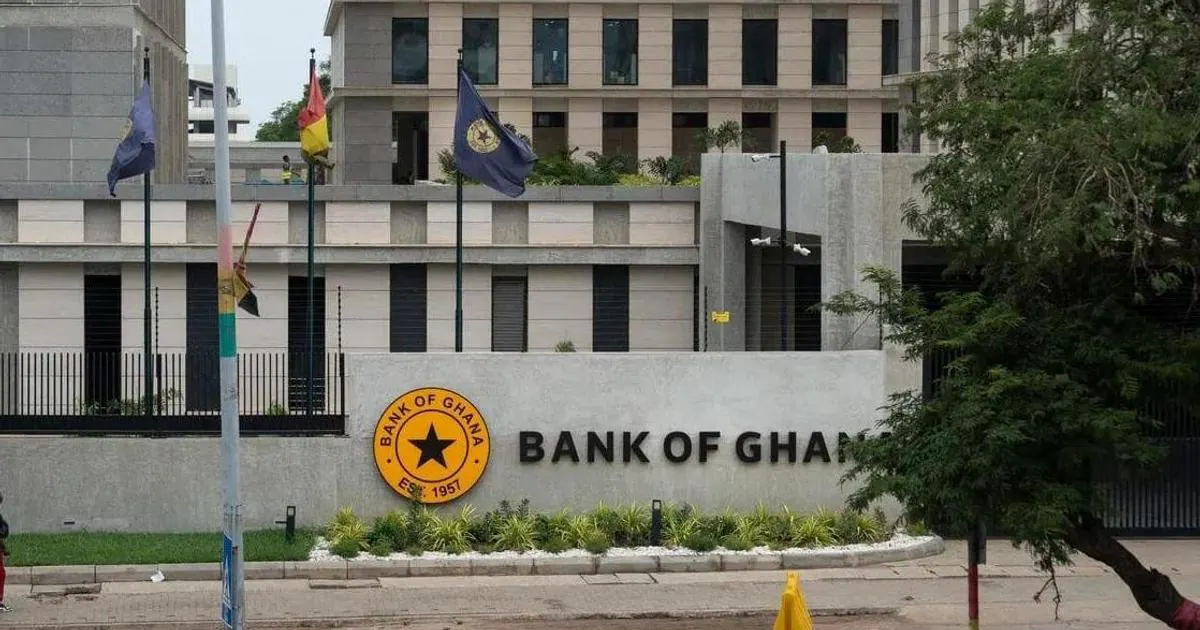
The Ghana cedi has seen mixed movements against major currencies in the latest exchange rates released by the Bank of Ghana. As of October 1, 2026, the cedi's performance varied against the US dollar, pound sterling, and euro. These rates are based on transactions at the close of business on Thursday, October 1. The exchange rates serve as a reference for commercial banks and the market. They reflect the average interbank rates used for transactions.
Against the US dollar, the Ghana cedi saw a slight increase. The dollar's average rate rose to GH¢11.7150, up from GH¢11.7100 on September 30. This represents an increase of GH¢0.0050 or about 0.04%. Commercial banks are buying the US dollar at GH¢11.7091 and selling it at GH¢11.7209. The marginal increase indicates a slight weakening of the cedi against the dollar.
The pound sterling, however, recorded a decline against the cedi. Its average rate fell to GH¢15.4521 from GH¢15.5298 previously. This represents a decrease of GH¢0.0777 or about 0.50%. The pound is now being bought at GH¢15.4444 and sold at GH¢15.4598. This decline suggests that the cedi gained ground against the pound sterling.
The euro also weakened against the cedi, with its average rate dropping to GH¢13.1496 from GH¢13.2785 previously. The decline of GH¢0.1289 represents about 0.97%, making the euro the biggest mover among the three major currencies. The euro is currently being bought at GH¢13.1441 and sold at GH¢13.1550. This significant drop indicates a notable gain for the cedi against the euro.
Comparing the latest figures with the previous rates on September 30, the US dollar was at GH¢11.7041 for buying and GH¢11.7159 for selling. The pound sterling was quoted at GH¢15.5220 for buying and GH¢15.5376 for selling, while the euro was bought at GH¢13.2724 and sold at GH¢13.2845. These comparisons highlight the mixed performance of the cedi against major currencies.
The Bank of Ghana's daily exchange rates are crucial for the market as they represent the average interbank rates used by commercial banks for transactions. These rates serve as reference rates for the market, influencing various economic activities. The central bank's updates help in tracking the cedi's performance and making informed decisions.
The latest exchange rates indicate a marginal weakening of the cedi against the US dollar, while the local currency gained ground against both the pound sterling and euro. This mixed performance reflects the dynamic nature of foreign exchange markets. The Bank of Ghana continues to monitor and update exchange rates to provide a transparent and stable foreign exchange environment.
Key points
- The Ghana cedi saw a slight increase against the US dollar, rising to GH¢11.7150.
- The cedi gained ground against the pound sterling, with the pound's average rate falling to GH¢15.4521.
- The euro recorded the biggest decline, dropping by about 0.97% to GH¢13.1496.