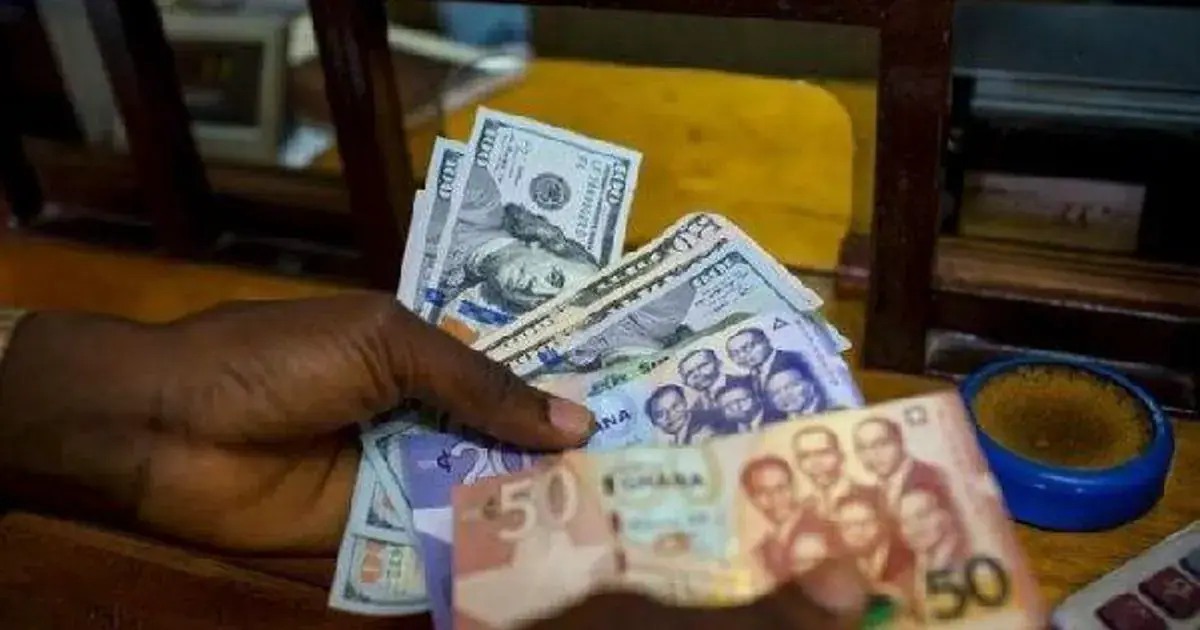
On November 26, the Ghanaian cedi maintained its value against the US dollar while making modest gains against the British pound and euro. According to the Bank of Ghana's interbank exchange rates, the dollar was quoted at GH¢11.8441 for buying and GH¢11.8559 for selling. This represents no change from the previous day's rates of GH¢11.8441 buying and GH¢11.8559 selling. The cedi's stability against the dollar is reflected in its average interbank rate of GH¢11.8500.
In contrast, the pound sterling experienced a decline against the cedi. Its buying rate fell from GH¢15.5323 to GH¢15.5027, while the selling rate decreased from GH¢15.5490 to GH¢15.5182. This represents a reduction of GH¢0.0296 in the buying rate and GH¢0.0308 in the selling rate. The euro also recorded a slight drop, with its buying rate moving from GH¢12.9978 to GH¢12.9893 and the selling rate decreasing from GH¢13.0096 to GH¢13.0001.
The Bank of Ghana's daily exchange rates are based on average interbank rates used by commercial banks for transactions at the close of business. It is worth noting that actual rates offered by banks and forex bureaux may vary from these official rates. The cedi's performance against major currencies is closely watched by businesses, investors, and individuals involved in international transactions.
The latest exchange rates from the Bank of Ghana show that the cedi has made modest gains against the pound and euro. However, its value against the dollar remains unchanged. The pound's buying and selling rates decreased by GH¢0.0296 and GH¢0.0308, respectively, while the euro's buying and selling rates declined by GH¢0.0085 and GH¢0.0095, respectively.
As of November 26, the exchange rates for major currencies are as follows: US dollar - buying rate GH¢11.8441, selling rate GH¢11.8559, average rate GH¢11.8500; Pound sterling - buying rate GH¢15.5027, selling rate GH¢15.5182, average rate GH¢15.5105; Euro - buying rate GH¢12.9893, selling rate GH¢13.0001, average rate GH¢12.9947.
The Bank of Ghana's exchange rates are published daily and serve as a benchmark for businesses and individuals involved in foreign exchange transactions. The rates are determined based on transactions at the close of business and may not reflect rates offered by banks and forex bureaux.
The cedi's performance against major currencies has implications for Ghana's economy, particularly for businesses involved in international trade and investment. The stability of the cedi against the dollar and its gains against the pound and euro may influence inflation, import prices, and investor sentiment.
Key points
- The Ghanaian cedi held firm against the US dollar on November 26.
- The cedi made modest gains against the British pound and euro.
- The Bank of Ghana's daily exchange rates represent average interbank rates used by commercial banks for transactions.