For generations, shea has been a vital source of income for households across Ghana's north, with women gathering and processing it into butter used in cosmetics, food, and traditional remedies. The Ghana Commodity Exchange (GCX) reports that the country is leaving significant money on the table because most of the shea is exported before being transformed into a finished product.
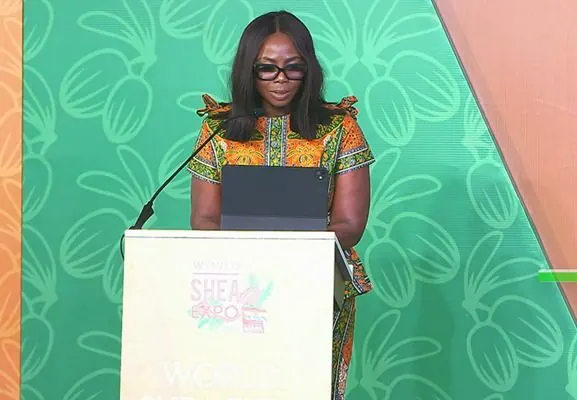
According to GCX Chief Executive Officer Evelyn Abakah, around two-thirds of Ghana's shea is exported unprocessed, meaning higher-value opportunities in products such as cosmetics and food items are largely captured by other countries. Abakah spoke at the World Shea Expo 2026 in Tamale, themed 'From Local Commodity to Global Brand: Accelerating Women and Youth-Led Value Addition in Shea.'
Abakah argued that Ghana could capture a larger share of the value in the shea trade with a strong market structure. A structured, transparent domestic trading system would improve price discovery, giving farmers and processors clearer visibility on prevailing prices. It would also strengthen their ability to access finance using their commodities as collateral.
The GCX has a track record of facilitating trade in other commodities, having traded around 80,000 metric tonnes of maize, rice, soybean, and cashew over the past five years, valued at more than GH¢400 million. The Exchange has also helped over 500 farmers secure financing using their stored commodities as collateral, with no loan defaults recorded.
The GCX has developed quality parameters and grading standards for shea, validated through stakeholder engagement in Tamale in 2024, working with development partners such as USAID and UNDP. The Exchange is now seeking a partial mandate from the government to conduct domestic shea trading through its platform, aiming to provide market infrastructure.
Abakah emphasized that women, who dominate shea collection and processing, should be at the centre of any transformation of the sector, deserving a greater share of the value generated. Ghana's shift from exporting raw shea to producing more value-added goods could become a leading example of the benefits of structured commodity trading.
The proposal's implementation timeline and government response remain unclear. For now, the changes described remain proposals rather than confirmed policy. The Ghana Commodity Exchange is a regulated marketplace where farmers and traders can buy and sell commodities under standardised rules on quality, storage, and pricing.
Key points
- GCX seeks a partial mandate from government to conduct domestic shea trading through its platform.
- Two-thirds of Ghana's shea is exported unprocessed.
- A structured market could help Ghana capture a larger share of the value in the shea trade.