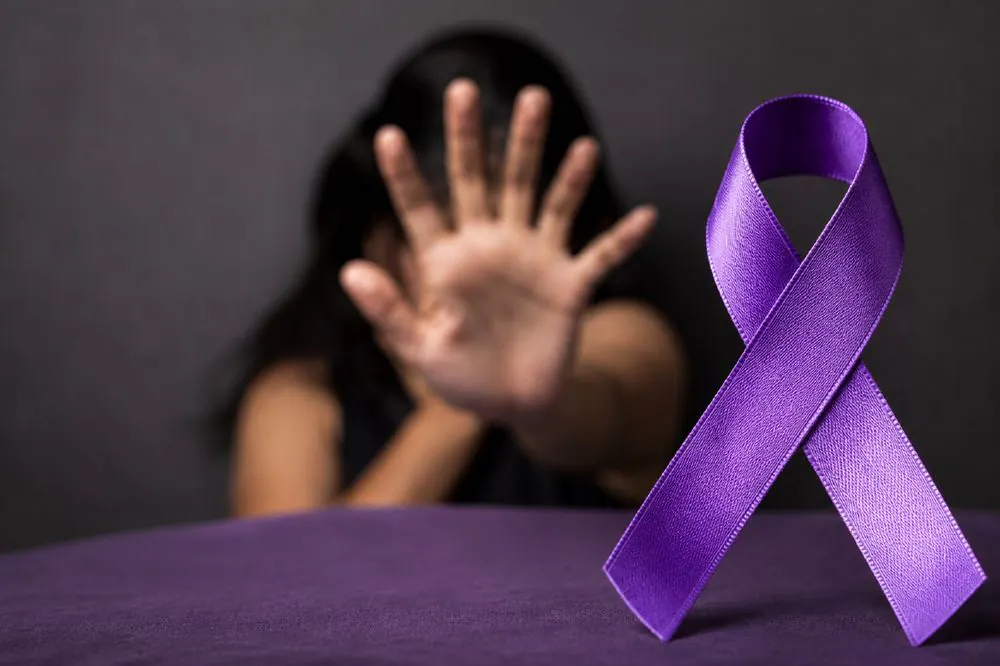
The Joint National Inquiry into the Reporting, Victim Support, Investigation and Pre-Trial Functioning of the Criminal Justice System Response to Gender-Based Violence and Femicide in South Africa has highlighted significant challenges in the country's justice system. The inquiry, led by the Commission for Gender Equality, South African Human Rights Commission, and CRL Rights Commission, heard that survivors of gender-based violence are being forced to become "case managers" of their own cases. This includes chasing police, tracking dockets, following up on evidence, and demanding arrests.
According to Legal Officer for the Commission for Gender Equality, Thokozani Dladla, one of the most glaring problems is the gap between South Africa's extensive GBVF laws and policies and what victims actually experience when they turn to the State for help. The inquiry heard that survivors are sometimes left pleading with police to register complaints, tracing the movement of their own dockets, requesting reviews, pushing for arrests, and repeatedly following up on forensic evidence and court dates. In some instances, victims are forced to escalate stalled cases to provincial or national structures themselves.
Official statistics presented to the inquiry showed that during the first quarter of the 2026/27 financial year, 8,814 rapes were reported, 569 women were murdered, and 1,052 survived attempted murder. However, research suggests that only a fraction of rapes are ever reported to police, raising concern that decreases in reported figures cannot automatically be interpreted as decreases in actual sexual violence. The inquiry comes less than a year after President Cyril Ramaphosa declared GBVF a national crisis in November 2025.
Commission for Gender Equality Legal Officer Nomthandazo Sithole painted a stark picture of conditions survivors face once they enter the criminal justice system. Police stations are often not conducive to victims disclosing deeply traumatic experiences. Sithole called for dedicated victim-friendly facilities and greater funding for trauma services, forensic examinations, post-exposure prophylaxis, and other basic resources. Thuthuzela Care Centres, intended to provide integrated support to sexual offence victims, are facing serious infrastructure and staff shortages.
The inquiry heard that some Thuthuzela Care Centres are housed in ageing buildings or dilapidated temporary containers, while shortages of forensic nurses and case managers undermine services. Some centres are reportedly so financially constrained that they rely on local businesses for basic stationery and toiletries for survivors. Problems continue when cases reach court, with shortages of prosecutors, intermediaries, interpreters, and court administrators, coupled with DNA backlogs, court congestion, load shedding, and faulty recording equipment, contributing to lengthy delays.
Sithole said that although improvements exist, many courts still fall short of victim-friendly standards. Victims can still find themselves using the same entrances or waiting areas as accused persons. The South African Police Service's own 2024/25 annual report recorded growing workloads for investigators and said employee attrition contributed to substantial caseloads, while reported crimes against children increased during that period.
The weaknesses in the justice system demand an urgent strengthening of the entire justice cluster, Sithole said. It is clear that GBVF is at crisis proportions in South Africa, and there is a need for strengthening the response of the justice cluster to be gender-responsive, victim-centric, and have improved turnaround time for finalisation of cases. The inquiry is expected to continue examining where the system breaks down from the moment a survivor reports an offence through investigation, victim support, and the pre-trial process.
Key points
- Survivors of gender-based violence in South Africa are forced to manage their own cases due to systemic failures in the justice system.
- The inquiry highlights significant gaps between GBVF laws and policies and the actual experience of victims.
- The justice system requires urgent strengthening to address the crisis proportions of GBVF in South Africa.