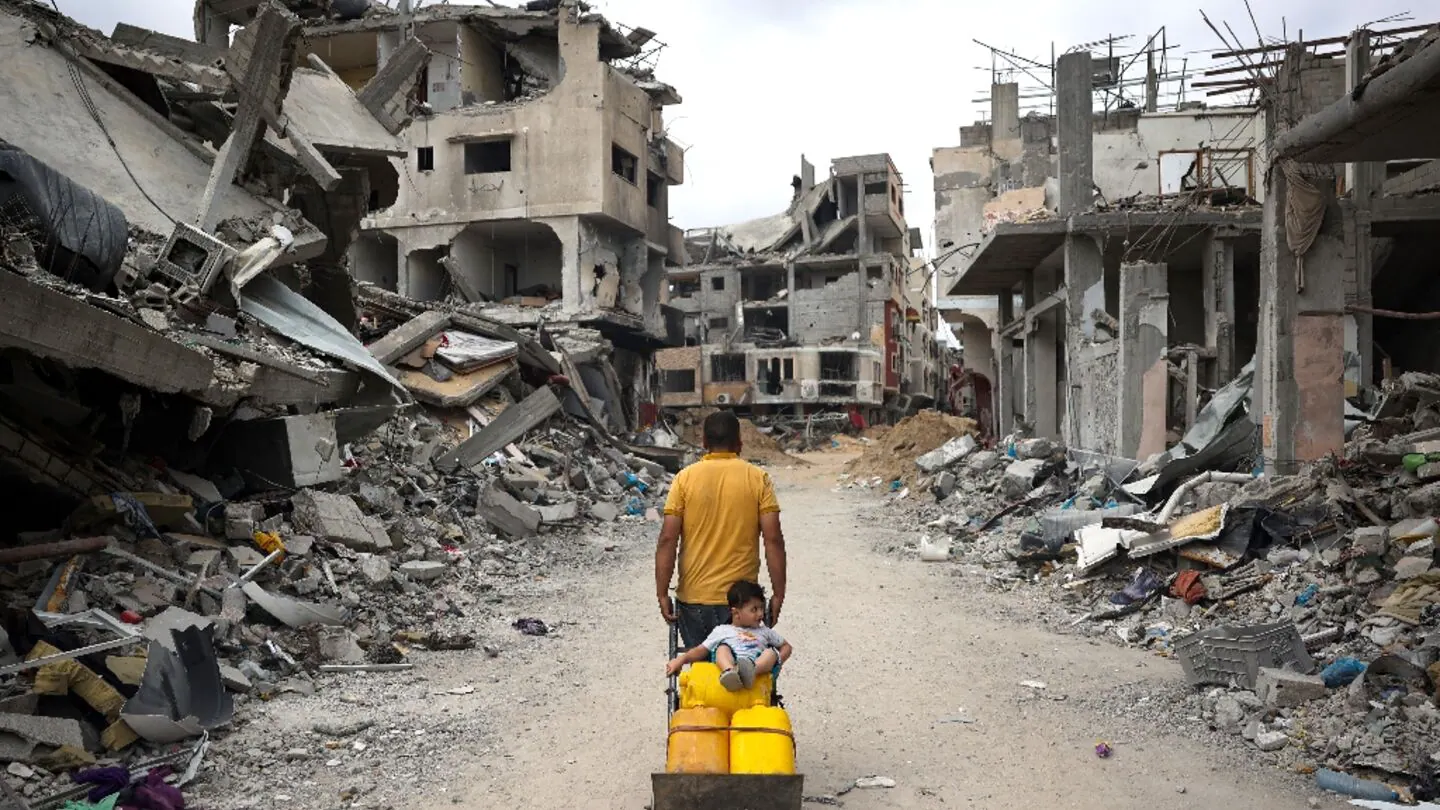
The recent collapse of the "Al-Sada" building in Gaza, which resulted in the deaths of 20 people, has highlighted the dire situation faced by many displaced families in the region. The building, which was already damaged during the war, was home to around 100 families who had nowhere else to go. The collapse has raised concerns about the safety of other similar buildings in the area, with many residents being forced to live in crumbling structures due to a severe housing shortage.
According to the Gaza government, around 3,000 buildings were damaged during the war, with many of them deemed uninhabitable. The Ministry of Public Works and Housing has classified 255 buildings as being at risk of collapse, with many residents being forced to live in them due to a lack of alternative housing. The situation is further complicated by the Israeli occupation, which has restricted the entry of construction materials and equipment needed to repair and rebuild damaged buildings.
The Gaza Defense Civilian department has called on residents to evacuate the buildings deemed at risk of collapse, but many have no choice but to stay due to the lack of alternative housing. The department has launched an emergency plan to evacuate and demolish the buildings, but it faces significant challenges, including a lack of funding, equipment, and personnel. The situation is also exacerbated by the fact that Israel controls over 60% of the land in Gaza, leaving limited space for new construction.
One of the buildings at risk of collapse is the "Al-Shawa and Hossary" tower in the Al-Rimal neighborhood of Gaza City. The 11-story building was heavily damaged during the war and is now home to several families who have nowhere else to go. Residents have expressed concerns about the safety of the building, but many feel they have no choice but to stay due to the high cost of rent and the lack of alternative housing.
The situation is not limited to Gaza City, with many other areas of the region facing similar challenges. In the Al-Zeitoun neighborhood, several buildings have collapsed in recent weeks, with many residents being rescued from under the rubble. The Defense Civilian department has been working to rescue those trapped under the rubble, but its efforts are hindered by a lack of equipment and resources.
The crisis has also had a significant impact on the local economy, with many residents being forced to spend large amounts of money on rent and other living expenses. The situation has also had a psychological impact on residents, who are living in fear of their buildings collapsing at any moment. Many are calling on the international community to provide more support and assistance to help alleviate the crisis.
The Gaza government has announced plans to provide emergency assistance to those affected by the crisis, including the provision of temporary housing and financial support. However, many residents are skeptical about the government's ability to address the crisis, given the significant challenges and constraints it faces. The situation remains dire, with many residents facing an uncertain future.
Key points
- Hundreds of displaced families in Gaza are living in buildings damaged during the war, despite the risks, due to a severe housing shortage and high rents.
- The Gaza government has classified 255 buildings as being at risk of collapse, with many residents being forced to live in them due to a lack of alternative housing.
- The crisis has had a significant impact on the local economy and the psychological well-being of residents, with many calling on the international community to provide more support and assistance.