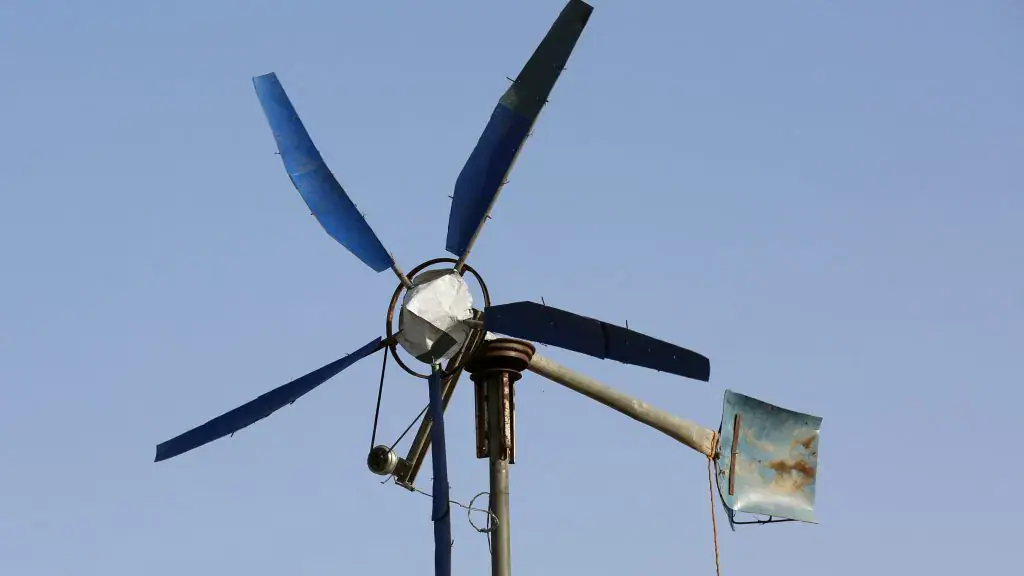
In a refugee camp in Khan Younès, southern Gaza, a 60-year-old man named Kamal Al-Dabary has used his engineering skills to create homemade wind turbines. These makeshift turbines are crafted from salvaged materials found in the rubble of destroyed buildings. The goal is to provide a semblance of normalcy in a region devastated by war. Al-Dabary's initiative has brought some relief to families struggling with the lack of electricity.
The wind turbines are constructed using motors from scooters and old water tanks cut into blades. As the wind turns the blades, a motor generates electricity, which is then stored in batteries. This setup allows residents to charge their phones, power lamps, fans, and even hair clippers. For many, this small amount of electricity is a lifeline, enabling them to maintain some level of comfort in an otherwise dire situation.
The idea for the wind turbines came about due to the exorbitant cost of solar panels, which rose to over 4,000 euros per unit. With many residents losing their jobs and income over the past three years, such expenses became unsustainable. Al-Dabary and his community turned to harnessing wind energy as a more affordable alternative. Their makeshift turbines have become a symbol of resilience in the face of adversity.
The impact of these homemade turbines extends beyond basic convenience. In a region where access to medical care and equipment is severely limited, the electricity generated can power essential medical devices. For instance, if a child needs treatment via a nebulizer in the middle of the night, having a functioning device can be a matter of life and death. The community relies heavily on these small but vital sources of power.
Saleh ben Hassan, a 50-year-old resident, attests to the difference these turbines have made. He notes that the electricity has "changed the game" for his family and others in the camp. The psychological boost from having some control over their environment, even in such a small way, is significant. It offers a glimmer of hope amid the chaos and destruction.
The production of these wind turbines remains modest, but every watt counts in a region plagued by shortages. The community continues to rely on these homemade solutions to cope with the ongoing conflict and economic hardship. As they wait for a resolution to their plight, these small turbines represent a tangible step towards reclaiming a semblance of normal life.
The situation in Gaza remains dire, with many residents displaced and without access to basic necessities. Initiatives like Al-Dabary's wind turbines showcase the resourcefulness and resilience of the people. Despite the challenges, communities are finding ways to adapt and support each other, holding on to hope for a better future.
Key points
- Residents in Gaza have created homemade wind turbines using scavenged materials to generate electricity.
- The initiative aims to provide a semblance of normalcy amid ongoing conflict and economic hardship.
- These makeshift turbines have become a lifeline for families, enabling them to power essential devices.