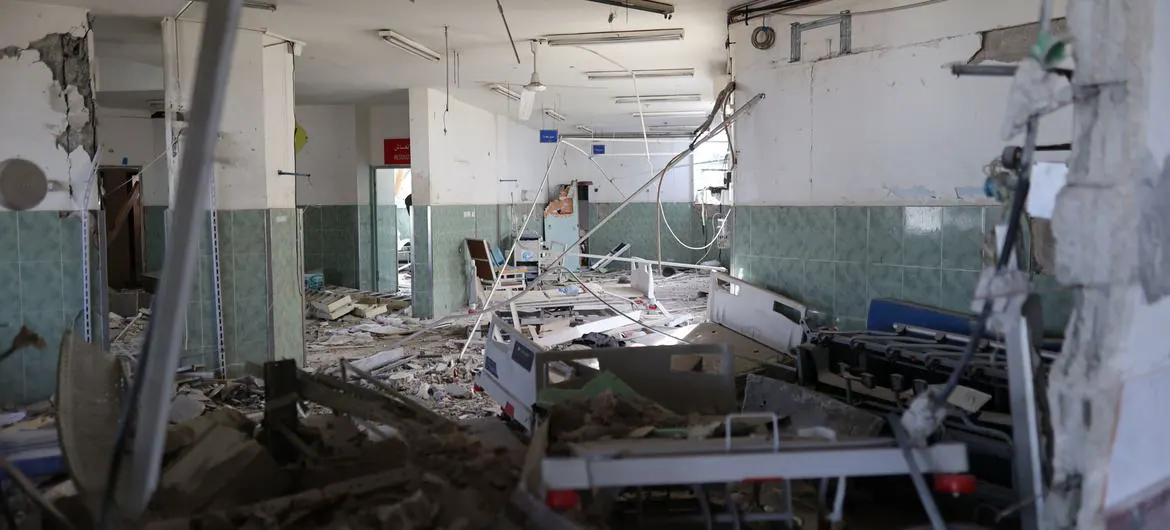
A recent report by Physicians for Human Rights-Israel (PHRI) highlights the struggles of Gaza's health system, which remains far from full operation a year after the October 2025 ceasefire. According to PHRI, none of Gaza's hospitals have returned to full functionality, despite a modest increase in facilities offering limited services. The number of hospitals providing some care has grown from 14 to 20 out of 36.
The report notes that essential services such as operating theatres and laboratories still rely heavily on backup generators. Intensive care capacity has seen little improvement, with Gaza having 103 ICU beds in October 2025 and only one additional bed by July 2026. Furthermore, critical services like MRI remain unavailable, and dialysis provision has decreased from 17% of facilities at the start of the ceasefire to 12% nine months later.
The shortage of medical supplies and equipment continues to plague Gaza's medical facilities. A nephrologist warned that about 700 patients with end-stage kidney failure rely on thrice-weekly dialysis, but shortages of sodium bicarbonate and other supplies threaten the operation of half the machines. Medical facilities face chronic shortages of medicines, equipment, fuel, and spare parts, with some supplies reportedly restricted or denied entry into Gaza.
PHRI questions whether the volume of aid entering Gaza is sufficient to address the needs of its population. According to COGAT, over 24,000 tonnes of medical supplies have entered Gaza since the ceasefire, but hospitals remain damaged, and patients face travel restrictions for life-saving treatment. The organization suggests that the current level of aid may not be enough to support the recovery of Gaza's health system.
The humanitarian situation in Gaza is dire, with 94% of its 1.98 million residents needing shelter assistance by August 2026. Roughly one million people live in tents, and the area faces widespread sanitation and food-security crises. A shortage of cooking fuel has led to injuries, including over 1,000 burn cases treated between January and May, with three-quarters of them being children.
The PHRI report concludes that the ceasefire does not mark an end to what it describes as Israel's genocidal actions or the destruction of conditions needed for Palestinian life in Gaza. The organization's findings highlight the need for sustained support and aid to help Gaza's health system recover and provide adequate care to its population.
The situation in Gaza remains a pressing concern, with many residents struggling to access basic necessities like healthcare, shelter, and food. The international community continues to monitor the situation, and efforts are being made to address the humanitarian crisis in Gaza. However, much work remains to be done to restore Gaza's health system to full functionality and ensure the well-being of its population.
Key points
- Physicians for Human Rights-Israel reports that no Gaza hospital has returned to full functionality twelve months after the October 2025 ceasefire.
- The number of hospitals providing at least some care has grown from 14 to 20 out of 36, but essential services still depend on backup generators.
- The humanitarian situation in Gaza is grim, with 94% of its 1.98 million residents needing shelter assistance and widespread sanitation and food-security crises.