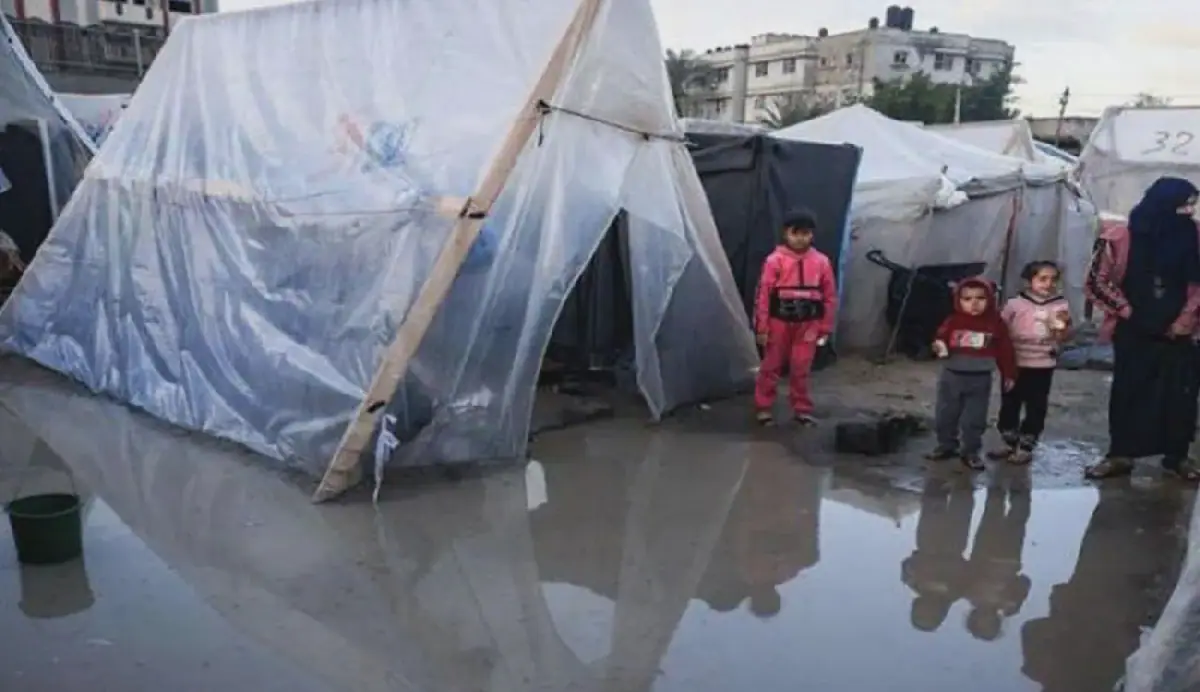
The Gaza Strip is facing a severe shelter crisis as winter approaches, with 200,000 tents needed to provide adequate protection for displaced families. According to Palestinian Minister of Social Development Samah Hamad, the current shelter situation is dire, with most tents used by displaced families being torn and worn out, offering insufficient protection against the cold and harsh weather conditions. The minister's statement, reported by Palestinian media, highlights the urgent need for humanitarian aid.
Minister Hamad cited significant challenges in delivering tents to Gaza due to restrictions imposed by Israeli authorities. As a result, only a few dozen tents are being delivered, which is far short of the estimated 200,000 units needed. To mitigate the situation, the Ministry of Social Development has focused on providing reinforced plastic sheets to strengthen existing shelters. This effort aims to provide some relief to families struggling to cope with the harsh winter conditions.
In addition to the shelter crisis, Minister Hamad warned of a deteriorating food security situation in Gaza. The blockade of aid delivery by UN organizations, including the World Food Programme (WFP), has exacerbated the crisis. The minister stressed that the current situation is extremely difficult, with many families struggling to access basic necessities. The situation highlights the need for sustained humanitarian efforts to address the multiple challenges facing Gaza.
Despite the challenges, displaced families in Gaza are showing resilience and resourcefulness. Many are recovering iron from the rubble of their destroyed homes to reinforce and stabilize their tents. Minister Hamad described this initiative as "ingenious," highlighting the determination of Palestinian families to cope with the crisis. However, the long-term sustainability of such efforts remains uncertain, and substantial external support is needed to address the scale of the crisis.
The crisis in Gaza has been ongoing for several years, with the territory facing significant humanitarian challenges. The current situation is further complicated by the restrictions imposed by Israeli authorities, which limit the delivery of humanitarian aid. The international community has a critical role to play in addressing the crisis, including ensuring the delivery of essential aid, such as tents, food, and medical supplies.
The situation in Gaza has significant implications for regional stability and global humanitarian efforts. The international community has repeatedly called for an easing of restrictions and an increase in humanitarian aid to Gaza. However, progress has been slow, and the crisis continues to deepen. As winter approaches, the need for urgent action to address the shelter and food security crises in Gaza has become increasingly pressing.
The Palestinian government and humanitarian organizations are working together to address the crisis, but more needs to be done to address the scale of the challenge. The international community must provide sustained support to alleviate the suffering of displaced families in Gaza and help them rebuild their lives. The situation in Gaza serves as a reminder of the need for collective action to address humanitarian crises and promote peace and stability in the region.
Key points
- Gaza needs 200,000 tents to face its fourth winter since the start of the war.
- Deliveries of tents are limited due to Israeli restrictions.
- The situation in Gaza has significant implications for regional stability and global humanitarian efforts.