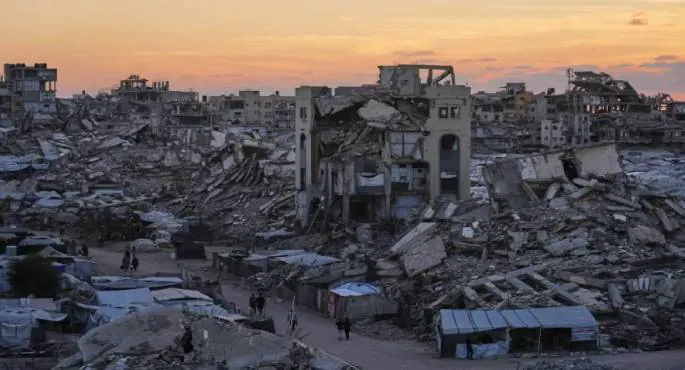
A year after a ceasefire, Gaza continues to grapple with complex humanitarian crises that extend beyond food scarcity to impact water, sanitation, shelter, health, and employment. The United Nations is intensifying efforts to rehabilitate basic services and remove debris, but recovery is contingent upon the importation of materials and equipment, which faces restrictions imposed by occupation forces. Thousands of families remain displaced, and over 8,000 individuals are still trapped under the rubble.
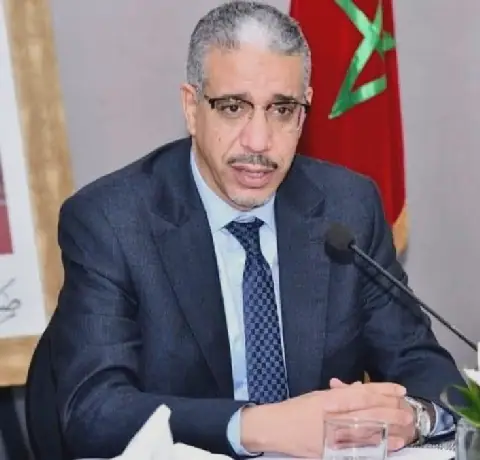
According to Ramzi Al-Akbrov, Acting Special Coordinator for the United Nations Office for Peace in the Middle East, the people of Gaza are still confronting a multifaceted humanitarian crisis. He noted that issues with water, sanitation, shelter, and waste management persist, with many residents lacking access to clean water in sufficient quantities. The absence of regular water supplies and the lack of sewage treatment and disposal processes exacerbate the situation.
Most displaced persons in Gaza reside in tents rather than prefabricated buildings or permanent housing, leading to health concerns, particularly among children, due to the absence of clean water and proper shelter. Al-Akbrov highlighted that occupation forces refuse to allow the entry of required shelter materials to establish more sustainable housing. He urged that residents should not have to spend another winter in tents, emphasizing their need for better housing and safer living conditions.
Al-Akbrov disclosed that over 8,000 people remain under the rubble, seeking the opportunity to bury their dead and recover the bodies. He called for assistance, stressing that the residents of Gaza require better housing and suitable places to spend the winter. Furthermore, only 3% of the land is available for agricultural activity, and merely 10% of greenhouses are operational. The education sector also faces significant challenges, with nearly 300,000 children and more receiving education in temporary learning spaces.
The situation in the West Bank is described as extremely tense, with intense settlement activities and continued harassment of Palestinian communities. Al-Akbrov observed the demolition of homes, schools, and community facilities during his visit. He expressed concern over the escalation of attacks and incitement to violence, characterizing the situation in the West Bank as highly dangerous. The restrictions imposed by the occupation on banking operations, coupled with settler violence and movement restrictions, contribute to the economic hardship faced by the region.
The humanitarian situation in the West Bank is a source of significant concern, not limited to violence but also encompassing economic hardship. Al-Akbrov emphasized the need for attention to these issues. Meanwhile, efforts to address the crises in Gaza and the West Bank are ongoing, with the international community urged to provide support.
The crises in Gaza and the West Bank underscore the need for sustained international engagement to address the complex humanitarian issues faced by the residents. The United Nations and other stakeholders continue to advocate for the rights and needs of those affected, emphasizing the importance of finding a lasting resolution to the conflicts.
Key points
- Over 8,000 people are still trapped under the rubble in Gaza.
- The humanitarian situation in the West Bank is highly dangerous due to intense settlement activities and restrictions imposed by occupation forces.
- Gaza faces significant challenges in water, sanitation, shelter, health, and employment a year after the ceasefire.