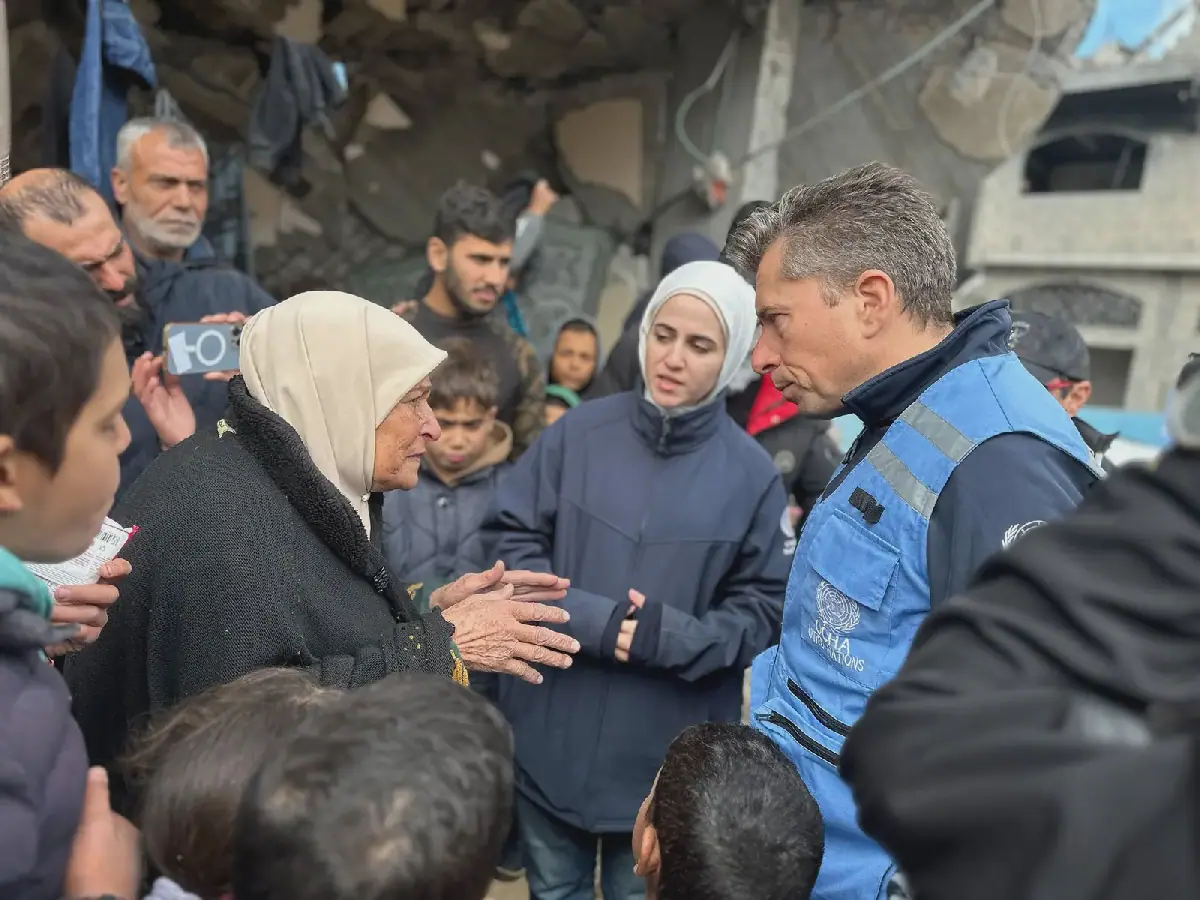
The situation in Gaza has taken a devastating turn with the resumption of Israeli airstrikes, just 42 days after a ceasefire had brought a semblance of calm to the region. According to Tom Fletcher, speaking at a UN Security Council meeting, the airstrikes have resulted in hundreds of deaths and widespread destruction. The renewed violence has dashed hopes of a peaceful resolution, with Gaza's 2.1 million residents once again facing the threat of bombings and humanitarian crisis.
Prior to the resumption of airstrikes, Gaza had seen a glimmer of hope with the distribution of humanitarian aid. Over 4,000 trucks were transporting assistance to the region every week, providing essential supplies such as food, water, and vaccines. The UN had also been distributing tents and other vital aid to those affected by the conflict. However, this period of relative calm has now come to an end, with Israeli airstrikes targeting the entire territory and causing widespread destruction.
The humanitarian situation in Gaza is dire, with hospitals overwhelmed and struggling to provide medical care to the injured. The region is also facing a severe shortage of essential supplies, including oxygen for the wounded. The resumption of airstrikes has also led to a massive displacement of families, with many forced to flee their homes under the threat of bombing.
The conflict in Gaza has been ongoing for 15 months, with Israeli bombardments causing massive destruction and loss of life. The situation has been exacerbated by the resumption of airstrikes, which have resulted in hundreds of deaths and widespread destruction. The international community has expressed concern over the escalating violence, with many calling for an immediate ceasefire.
The impact of the conflict on Gaza's infrastructure and economy has been severe, with millions of tons of debris left in the wake of the bombardments. The region's residents are facing significant challenges in rebuilding their lives, with many struggling to access basic necessities such as food and water.
The international community has been urged to take action to address the humanitarian crisis in Gaza. The UN has been working to provide aid to the region, but the resumption of airstrikes has made it increasingly difficult to deliver assistance. The situation remains dire, with many calling for an immediate ceasefire and a return to peace talks.
The conflict in Gaza is a complex and deeply entrenched issue, with no easy solution in sight. However, it is clear that the resumption of airstrikes has had a devastating impact on the region and its residents. The international community must continue to work towards a peaceful resolution, with a focus on providing humanitarian aid and supporting efforts to rebuild and restore the region.
Key points
- Hundreds of deaths reported in Gaza following resumption of Israeli airstrikes
- Humanitarian crisis worsens in Gaza with shortages of food, water, and medical supplies
- International community urged to take action to address crisis and support peace talks
Reporting sources
- Gaza : à l’horreur des bombes, s’ajoute l'asphyxie humanitaire · channelnews.mu