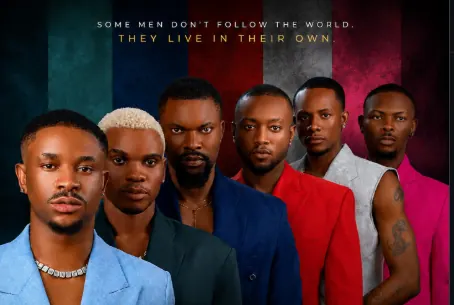
The National Film and Video Censors Board (NFVCB) has vowed to ensure the removal of the gay-themed Nigerian web series Living in Colours from YouTube. The production was initially uploaded to the Prism House Studio YouTube channel on August 30, 2026, despite a warning from the NFVCB that its public exhibition and promotion would be unlawful. The series attracted over 90,000 views on each episode during its brief online run.
The NFVCB had warned exhibitors and promoters against facilitating the project, citing that the production was neither submitted to nor classified by the Board before its proposed public exhibition. The series was taken down after streaming for only two days, but it was re-released on September 13 on the same YouTube channel, with three episodes currently streaming. The circumstances surrounding the initial removal remain unclear.
The online re-release marks a new phase in the dispute between the filmmakers and the NFVCB, shifting attention to the Board's regulation of Nigerian films distributed through global digital platforms. The regulator has maintained that Nigerian productions released on platforms such as YouTube must be submitted for classification and registration before release. The production's classification and alleged content have sparked an unresolved dispute.
The NFVCB issued a statement on August 26, warning against the media press call and movie premiere scheduled to take place at a cinema in Lagos, citing "explicit pornography" and promotion of same-sex relationships. The Board subsequently warned that its public exhibition or promotion would be unlawful and collaborated with federal and state security agencies to track down and halt the proposed event.
The production Living in Colours is a Nigerian production by Prism House Studio, with Manuel Ruben credited as producer. Tega Idogho and Udo Casciavit directed the production, which follows five young flatmates living together in Lagos while navigating relationships, sexuality, friendship, ambition, and personal struggles. The series explores tensions among personal identity, relationships, and survival in contemporary Lagos.
The NFVCB's intervention comes against the backdrop of Nigeria's strict legal framework governing both film exhibition and same-sex relationships. The Same-Sex Marriage (Prohibition) Act, 2013, prohibits same-sex marriage and civil unions, as well as public expressions and organisational activities associated with same-sex relationships. The law prescribes penalties, including a prison term of up to 10 years, for specified offences.
The dispute raises questions about the regulation of Nigerian films distributed through global digital platforms and whether a fictional portrayal of same-sex relationships amounts to the "public show" contemplated by the law. The production's return to YouTube has sparked a new phase in the dispute, highlighting the challenges faced by filmmakers in portraying sensitive realities in Nigeria.
Key points
- The NFVCB has vowed to ensure the removal of the gay-themed Nigerian web series Living in Colours from YouTube.
- The production's classification and alleged content have sparked an unresolved dispute between the filmmakers and the NFVCB.
- The dispute raises questions about the regulation of Nigerian films distributed through global digital platforms and the portrayal of same-sex relationships in the country.