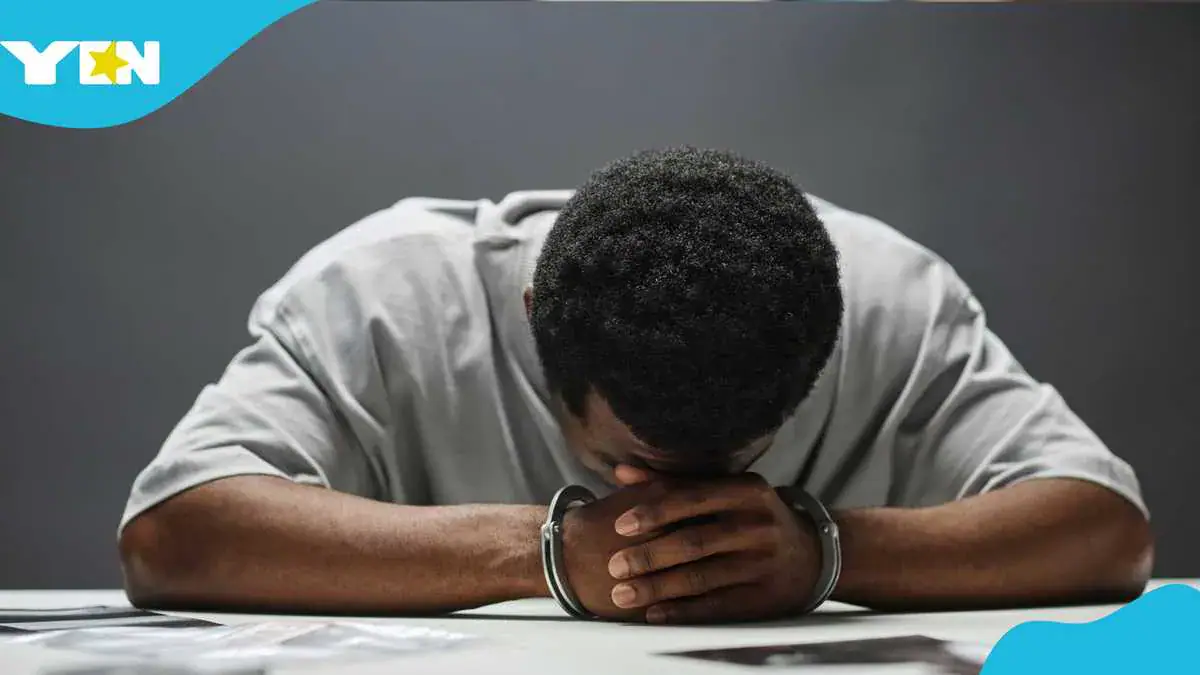
Samuel Asiamah, a 33-year-old Ghanaian man, has been held at a detention facility in Åstorp, Sweden, for six months despite having valid asylum papers. Asiamah fled Ghana in November 2024 after suffering family rejection and repeated physical attacks linked to his sexuality. His asylum application has stalled after a case officer dismissed Ghana's anti-LGBTQ+ legislation as irrelevant to his case. Asiamah's lawyer has reportedly been unable to obtain a clear explanation from Swedish authorities regarding the basis for his continued detention.
Asiamah's troubles began at home in Ghana after his mother grew suspicious about his sexuality. Having been raised by his grandmother in a rural area, he relocated to Accra at 18 to live with his mother, who subjected him to repeated church blessing sessions and gradually withdrew from him. She was upset, then furious, and gradually started to neglect him, making comments about him being a shame to her and the family. He left home at 19 and found community through a local LGBTQ+ support group called Solace.
Asiamah's first relationship brought renewed hostility, with verbal abuse escalating into physical violence. He still carries a scar from one of those assaults. Asiamah later connected with a man referred to as "Brother Kofi", who arranged his travel to Europe. He used 60,000 Ghana cedis from his mother's savings to fund the journey, travelling through Mauritius to France before arriving in Sweden in November 2024. The facilitator allegedly abandoned him on arrival.
After a week without shelter, a woman offered him accommodation but asked him to leave upon learning of his sexuality. Swedish police eventually found him on a snow-covered street and directed him towards support services. Asiamah submitted his asylum application in Malmö in February 2026. At a hearing in May, he raised Ghana's parliamentary passage of a bill that would criminalise the promotion of LGBTQ+ activities, carrying prison sentences of up to 10 years.
Swedish authorities have pressed him to engage with the Ghanaian Embassy to facilitate his return, a step he has flatly refused. There is a difference between co-operation and placing your life in jeopardy, he said. If people in prison know you are homosexual, you will be brutalised and assaulted, and you could lose your life. His case reflects a broader tightening of Swedish migration policy, with asylum applications in Sweden falling by 96 per cent from their 2015 peak to 6,737 in 2025.
The Swedish approval rate for asylum applications stood at roughly 23 per cent, less than half the European Union average. An organiser of a Malmö-based asylum support group assisting Asiamah described the shift bluntly: it used to be seen as a victory in Sweden to protect people here from unsafe situations, but these people have been so dehumanised now that getting rid of them quickly is the new victory.
Asiamah's case highlights the challenges faced by LGBTQ+ individuals seeking asylum in Sweden. His detention has sparked concerns about the country's migration policies and their impact on vulnerable individuals. Asiamah's fate remains uncertain as he continues to await a decision on his asylum application.
Key points
- Deportation to Ghana could cost Asiamah his life due to the country's anti-LGBTQ+ legislation.
- Asiamah has been detained in Sweden for six months despite having valid asylum papers.
- Swedish authorities have pressed Asiamah to engage with the Ghanaian Embassy to facilitate his return.