Almost a year after the South African Human Rights Commission inspected schools in Westonaria, Gauteng, and identified urgent needs for intervention, many schools continue to grapple with deteriorating infrastructure, broken facilities, and shortages of furniture. The commission's inspections in January had flagged issues such as broken toilets, unsafe asbestos roofs in classrooms, and furniture shortages in over 170 schools across the country, including at least seven in Gauteng.
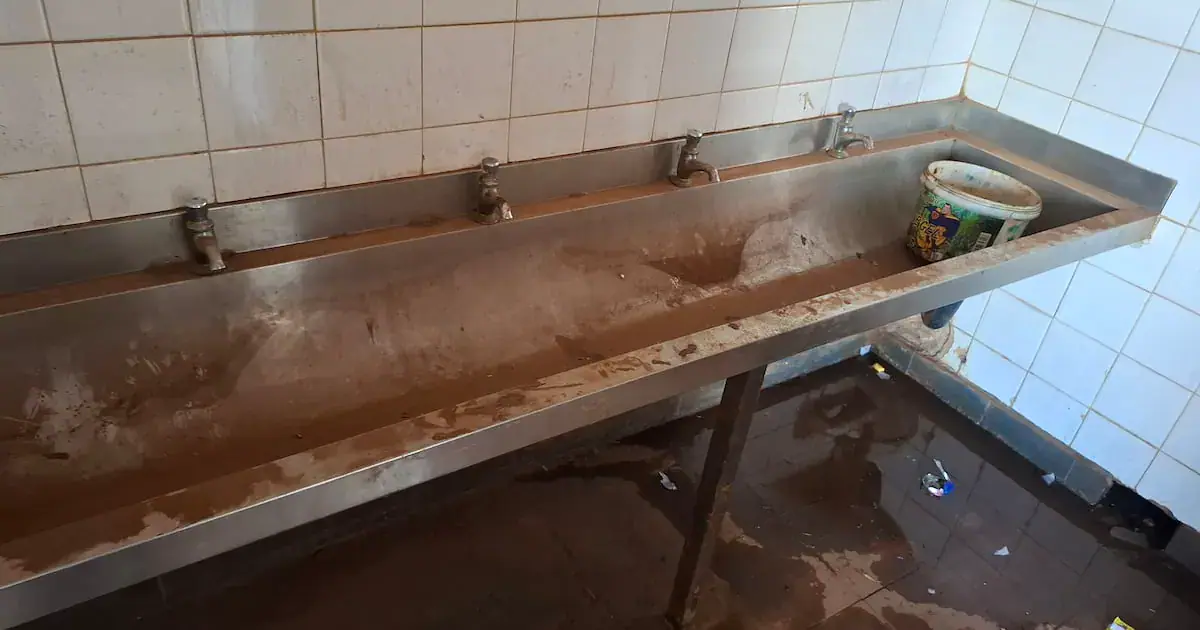
A recent visit to some of these schools found that little has been done to address the problems. At Siqalo Primary School in Bekkersdal, grade 1 pupils are still learning in classrooms with asbestos roofs, and toilets are in disrepair. The school's ablution system has a long-standing problem, with half of the toilets not working, forcing learners to use facilities on the ground floor while others have to walk downstairs.
The situation at Siqalo Primary is dire, with 1,250 pupils sharing only 29 toilets, 15 of which are currently unusable. The school's infrastructure challenges are not limited to sanitation; grade 1 and 2 pupils are still being taught under asbestos roofs. The South African Human Rights Commission had recommended urgent intervention, but it appears that little progress has been made.
Izanokhanyo Primary School in Simunye faces similar challenges, with grade 1 pupils using oversized desks due to furniture shortages. The school has not received a donation from a private company in over three years, and teachers report that learners are using furniture intended for older grades, leading to discomfort and difficulties in learning.
The shortage of furniture and infrastructure challenges are compounded by overcrowding and inadequate staffing ratios. At Izanokhanyo Primary, some classes have more than 50 learners, while others have around 30. The department continues to place additional pupils at the school, despite the challenges, because many parents prefer it due to its proximity to their homes.
The Gauteng department of education has been accused of failing to address the problems, leaving schools to manage recurring sanitation breakdowns, overcrowded classrooms, and deteriorating facilities. However, the SGB at Matlapaneng Primary School has taken matters into their hands, resolving long-standing plumbing and sanitation challenges, including fixing toilets and repairing the plumbing system.
Despite some isolated successes, the broader picture remains concerning, with many schools still struggling to provide a safe and conducive learning environment for pupils. The South African Human Rights Commission had given the department 60 days to fix the identified problems, but it is unclear what progress has been made.
Key points
- Gauteng schools face ongoing infrastructure challenges, including broken toilets and asbestos roofs.
- The South African Human Rights Commission had recommended urgent intervention, but little progress has been made.
- Schools are struggling to provide a safe and conducive learning environment due to infrastructure challenges and shortages of furniture.