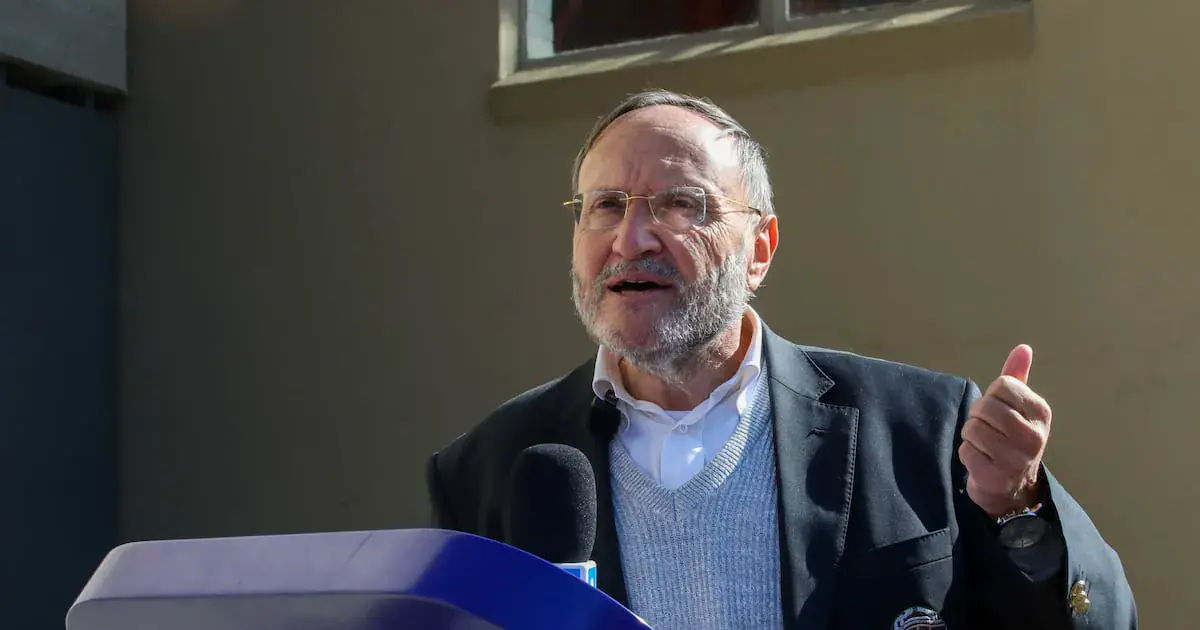
Gauteng is losing over R14 billion worth of water every year due to leaking municipal pipes, with Emfuleni leading in losses. This was revealed by Deputy Minister of Water and Sanitation, Dr. Jack Bloom, during a Gauteng provincial workshop reviewing the draft Strategic Framework for Water and Sanitation Services. The workshop brought together the department, municipalities, and organizations in the water sector to review the draft framework and provide input before it is finalized.
According to Dr. Bloom, Gauteng loses approximately 431 billion liters of treated water annually through physical leaks, equivalent to the amount supplied to the Western Cape in a year. Using Rand Water rates, the losses are valued at around R7 billion, but the figure could exceed R14 billion when municipal rates are considered. He also stated that Gauteng loses about 49% of its treated water that does not generate income for municipalities, including losses from leaks, which are up from 42.5% in 2023/24.
Dr. Bloom highlighted that 20% or more of the losses are due to physical leaking pipes. The figures vary across metros, with Johannesburg's non-revenue water loss estimated at 49%, and about 26% attributed to physical losses. Tshwane was estimated at 45%, with 34% lost physically, while Ekurhuleni fared better at around 30%, including 22% in physical losses. Emfuleni is the worst, with more than 70% loss, and Mogale City more than 60%.
The new framework sets a target to reduce non-revenue water to below 25% by 2035 and at least 30% of end-of-life pipelines, pumps, and process units to be replaced by that year. Additionally, 80% of urban households should have smart meters by 2032. The framework seeks to shift the focus from simply installing taps and toilets to ensuring residents receive safe, reliable, and sustainable services.
Dr. Bloom emphasized that municipalities must stop treating infrastructure installation as the measure of success. Instead, they should focus on ensuring that every person experiences functioning, safe, and reliable water and sanitation services. The framework also proposes an independent economic regulator for water services, climate adaptation plans, and stronger support for sanitation solutions in informal settlements.
The draft Strategic Framework for Water and Sanitation Services builds on the foundation laid in 2003, addressing today's challenges, including ageing infrastructure, rapid urbanization, climate risks, and service delivery gaps. The framework aims to provide a comprehensive approach to addressing the water and sanitation challenges in Gauteng.
The Deputy Minister's remarks come as a call to action for municipalities to take responsibility for reducing water losses and improving water and sanitation services. The implementation of the new framework will require collaboration between the department, municipalities, and other stakeholders to ensure that the targets are met and that residents receive safe and reliable water and sanitation services.
Key points
- Gauteng loses R14bn annually due to leaking municipal water pipes.
- The new framework targets a reduction in non-revenue water to below 25% by 2035.
- Emfuleni leads in water losses, with over 70% of its treated water lost.