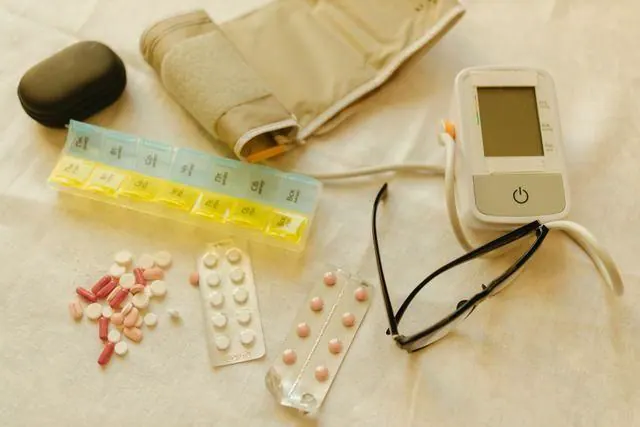
The Gauteng Health Department has urged communities to use medicines responsibly by taking treatment as prescribed, storing medicines correctly, and safely disposing of unused or expired medication. According to the department's spokesperson, Steve Mabona, medicines can only deliver their intended health benefits when used correctly and consistently. Skipping doses or taking medication incorrectly can reduce treatment effectiveness and put patients at risk of serious health complications.
Treatment adherence is crucial, especially for patients with chronic conditions such as HIV, tuberculosis, hypertension, diabetes, asthma, epilepsy, and mental health conditions. Taking medication as prescribed helps keep these conditions under control, prevents disease progression, and reduces the risk of hospitalization and other complications. Mabona emphasized that prescribed medicines should never be shared with others, as every prescription is based on an individual's specific health condition, medical history, and treatment needs.
The department also discouraged the misuse of antibiotics and promoted their responsible use. Antibiotics are used to treat bacterial infections and are not effective against viral illnesses such as influenza and the common cold. The unnecessary use of antibiotics contributes to antimicrobial resistance, making infections more difficult to treat and increasing the risk of complications. Patients prescribed antibiotics should take them exactly as directed and complete the full course of treatment.
Proper storage of medicines is equally important in maintaining their safety, quality, and effectiveness. Medicines should be stored according to the instructions provided on the packaging or by the healthcare professional who prescribed or dispensed them. Communities are advised to keep medicines in their original packaging, out of reach of children, and away from direct sunlight, excessive heat, and moisture.
The department encouraged people to regularly check their medicine cabinets and safely dispose of expired or unused medicines. Unused medicines should not be thrown into toilets, sinks, or drains, as this can pose a risk to public health and the environment. Instead, people should return unused or expired medicines to a pharmacy, clinic, or hospital, where they can be disposed of safely and appropriately.
The Gauteng Department of Health also reminded the public that vaccination remains one of the most effective ways to prevent disease and protect public health. Ensuring that children and adults are up to date with recommended vaccinations helps protect individuals, families, and communities against vaccine-preventable diseases and their complications. September is recognized as Pharmacy Awareness Month, which acknowledges the critical role pharmacists play in improving access to healthcare and promoting medicine safety.
The department encourages patients to take an active role in their healthcare by asking questions about their treatment. Patients should understand what the medicine is for, how and when it should be taken, how it should be stored, possible side effects, and what to do if a dose is missed. Pharmacists and pharmacist assistants play an essential role in supporting patients through medicine counseling, treatment adherence support, and healthcare education.
Key points
- The Gauteng Health Department urges responsible use, storage, and disposal of medicines to ensure effectiveness and prevent health complications.
- Treatment adherence is crucial, especially for patients with chronic conditions.
- Proper storage and disposal of medicines are essential in maintaining their safety, quality, and effectiveness.