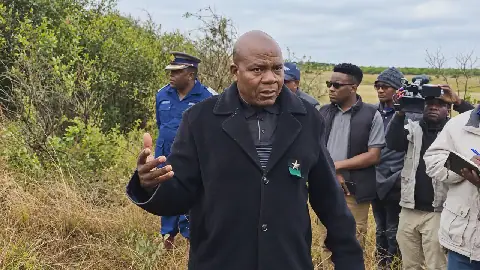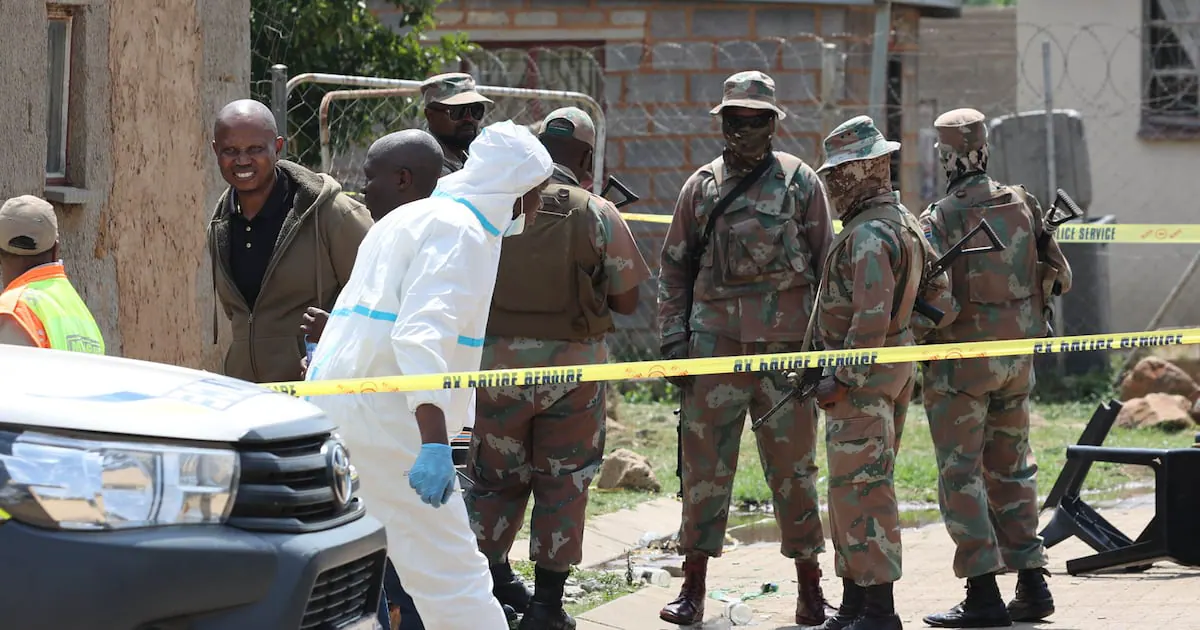
The recent mass shootings in Wedela township in Carletonville and Lwandle township in Cape Town have once again highlighted the devastating impact of violent crime on South African communities. On September 26, a terrorist attack at Dora's Tavern in Carletonville resulted in 18 fatalities and 18 injuries. Hours later, a similar incident occurred in Lwandle, Cape Town, claiming 10 lives and injuring 11 people. These incidents demonstrate the need for a coordinated response to combat organized and violent crime.
The Gauteng provincial government has been working to build a broader crime-fighting ecosystem that brings together law enforcement, technology, intelligence, communities, and other government institutions. One of the tools introduced is the e-Panic Button, which enables residents to alert emergency services during a crisis. The platform has been well-received, with 288,307 Gauteng residents downloading the application and 114,414 emergency call-outs made, with an average response time of about 15 minutes.
While technology has been useful in enhancing crime-fighting efforts, the Gauteng government emphasizes that it cannot replace policing. Multidisciplinary law enforcement operations, such as Operation Shanela II, have been crucial in disrupting criminal enterprises. These operations are essential, as crime does not respect institutional boundaries, and hijacked vehicles, illegal firearms, and criminal networks can operate across policing precincts.
The Gauteng government has also launched Operation Prosper, a joint national security intervention combining the South African National Defence Force and the South African Police Service to combat illegal mining, gangsterism, and violent crime. The operation has resulted in significant arrests and seizures, including 217 arrests and the recovery of a 9mm pistol, magazines, and 118 rounds of AK-47 ammunition at Kloof Mine in Westonaria.
The recent mass shootings have highlighted the need for a sustained law enforcement presence in areas such as the West Rand, particularly around Carletonville and Westonaria. Illegal mining is a significant concern, as it can intersect with organized crime, illicit firearms, human trafficking, and extortion. The Gauteng government has welcomed the establishment of a multidisciplinary team to pursue those responsible for the Carletonville massacre.
The team, comprising experienced murder and robbery detectives, crime intelligence officers, and crime scene investigators, will provide an integrated investigative response to the serious crimes. Communities also have a critical role to play in the fight against crime, as they often possess information that can help investigators identify criminal networks and prevent further attacks.
The Gauteng government has emphasized the importance of building trust between communities and law enforcement, ensuring that people can report crime safely and have confidence that their information will be treated responsibly. The fight against crime requires persistence, intelligence, technology, and communities working hand in hand with the police to prevent further devastating incidents.
Key points
- The Gauteng government has introduced new technologies, such as the e-Panic Button, to enhance crime-fighting efforts.
- Multidisciplinary law enforcement operations have been launched to disrupt criminal enterprises and combat organized and violent crime.
- Communities have a critical role to play in the fight against crime, providing information to help investigators identify criminal networks and prevent further attacks.