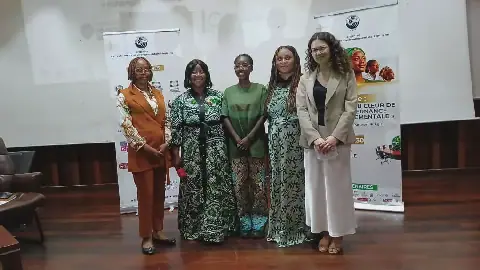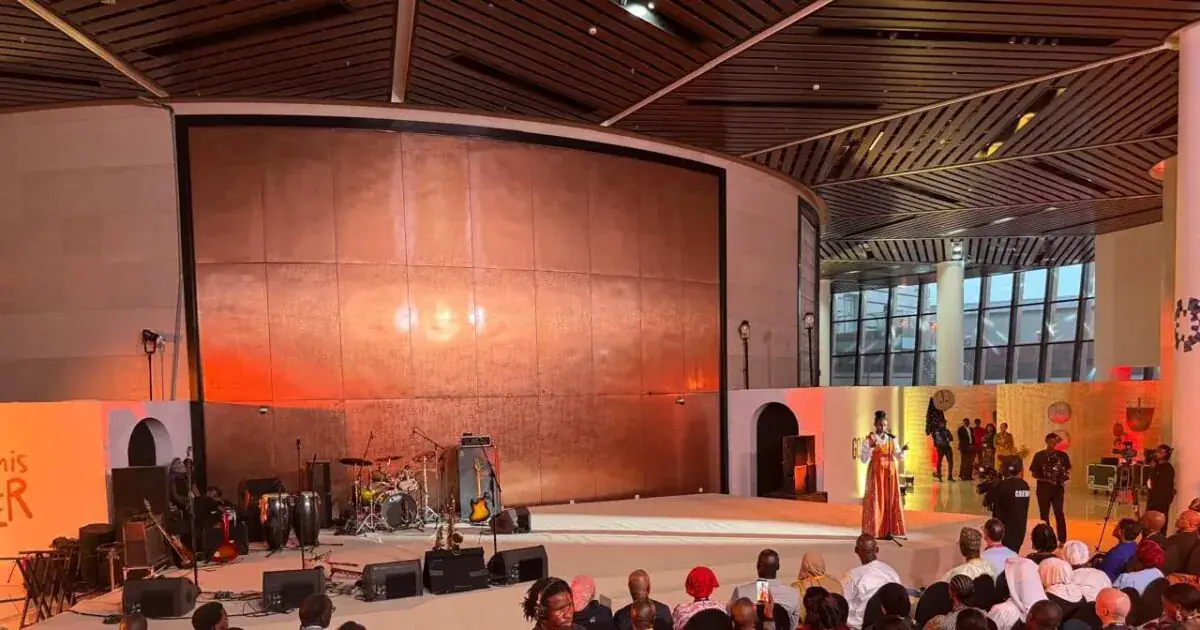
The Gates Foundation's Goalkeepers 2026 event, held in Dakar, Senegal, on October 29, brought together African innovators, policymakers, and global stakeholders to explore the potential of artificial intelligence in addressing development challenges. The event, themed "Make This Matter: AI, Equity, and the Choice We Can't Delay," focused on harnessing AI to improve people's lives without deepening existing inequalities. The gathering marked the first time the foundation's Goalkeepers event was hosted in Dakar.
A notable example of AI's impact on healthcare was shared by clinical officer Vyonne Njeri from Penda Health in Nairobi. A four-month-old baby with a fever and runny nose was found to have a congenital heart defect after an AI tool flagged abnormalities in the child's vital signs. Njeri's experience demonstrated how AI can support healthcare professionals in identifying potential clinical oversights and making informed decisions, particularly in busy primary healthcare settings.
Njeri initially had concerns that AI could replace healthcare workers, but now sees it as a tool that complements their expertise. She emphasized that AI is not perfect and should not replace clinical judgement, but rather provide an additional layer of support. Her experience highlighted the importance of responsible AI development and deployment, particularly in medical decision-making.
The Goalkeepers gathering also addressed the language barrier in education, a significant challenge in Senegal. Mamadou Ly, Executive Director of Associates in Research and Education for Development (ARED), shared how children in Senegal struggle with formal schooling in French, despite speaking indigenous languages at home. ARED piloted an initiative that allowed children to learn in Wolof, one of Senegal's most widely spoken languages, with promising results.
Ly emphasized the need for AI systems to be developed in local languages to ensure inclusivity. He noted that the absence of many African languages from existing AI systems risks excluding millions of children and communities from the benefits of the technology. ARED is now exploring how AI can build on this progress by developing tools that support learning in local languages.
The event highlighted the potential of AI to address gaps in access to quality medical services, improve diagnosis, and strengthen health systems in African countries. The discussions also touched on the importance of ensuring that AI tools are developed and deployed responsibly, with appropriate human oversight.
Key points from the event include the potential of AI to support frontline healthcare workers, address the language barrier in education, and improve access to essential services. The event demonstrated the importance of responsible AI development and deployment, as well as the need for AI systems to be developed in local languages to ensure inclusivity.
Key points
- AI can support frontline healthcare workers in identifying potential clinical oversights and making informed decisions.
- The language barrier in education can be addressed through AI-powered tools that support learning in local languages.
- Responsible AI development and deployment are crucial, particularly in medical decision-making.