The Algerian Ministry of Foreign Affairs has voiced its deep disappointment over the UN Security Council's decision regarding Western Sahara. In a statement released on October 31, the ministry expressed its "deep regret" over the council's failure to renew the mandate of the MINURSO mission. This decision reflects the significant discomfort of the Algerian government with the council's outcome and the changes it brings to the issue.
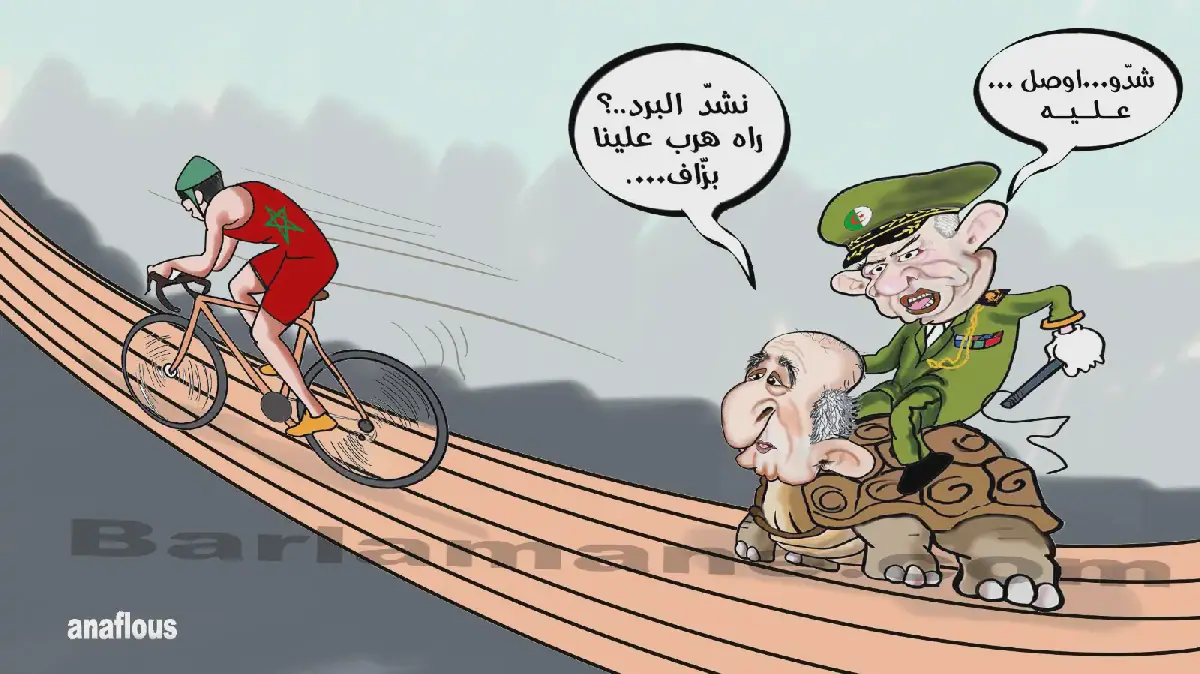
The Algerian government views the decision as biased in favor of Morocco, particularly with regard to the autonomy proposal presented by Morocco. The ministry's statement criticized the decision, suggesting that it was inevitable given the council's approach. The statement also highlighted the ministry's concerns over the decision's potential impact on the future of Western Sahara.
Algerian Minister of State for Foreign Affairs and International Cooperation Ahmed Attaf sent letters to members of the UN Security Council, warning them of the risks of consolidating the current situation. The ministry's statement also expressed concerns that the adoption of Morocco's autonomy plan under Moroccan sovereignty as a basis for negotiations would undermine the right to self-determination.
The Algerian government is also upset about the removal of the letter "R" from the MINURSO acronym, which it sees as a worrying political signal. The ministry's statement argued that this change, which effectively drops the word "referendum" from the mission's name, has significant implications for the future of Western Sahara.
The Algerian government believes that the decision denies the Polisario Front the opportunity to present its own vision during negotiations and paves the way for transforming the nature of the conflict from a decolonization issue to a humanitarian problem. The ministry's statement reiterated Algeria's long-standing concerns about the situation in Western Sahara.
The decision has significant implications for the region, and Algeria is not pleased with the changes it brings to the international discussion on the future of Western Sahara. The Algerian government had been hoping for a different outcome from the UN Security Council.
The situation in Western Sahara remains complex, with multiple parties involved and competing interests at play. The UN Security Council's decision is a significant development in this ongoing issue, and its implications will be closely watched by all parties involved.
Key points
- Algeria is disappointed with the UN Security Council's decision on Western Sahara.
- The decision reflects a significant shift in the international approach to the issue.
- Algeria views the decision as biased in favor of Morocco.