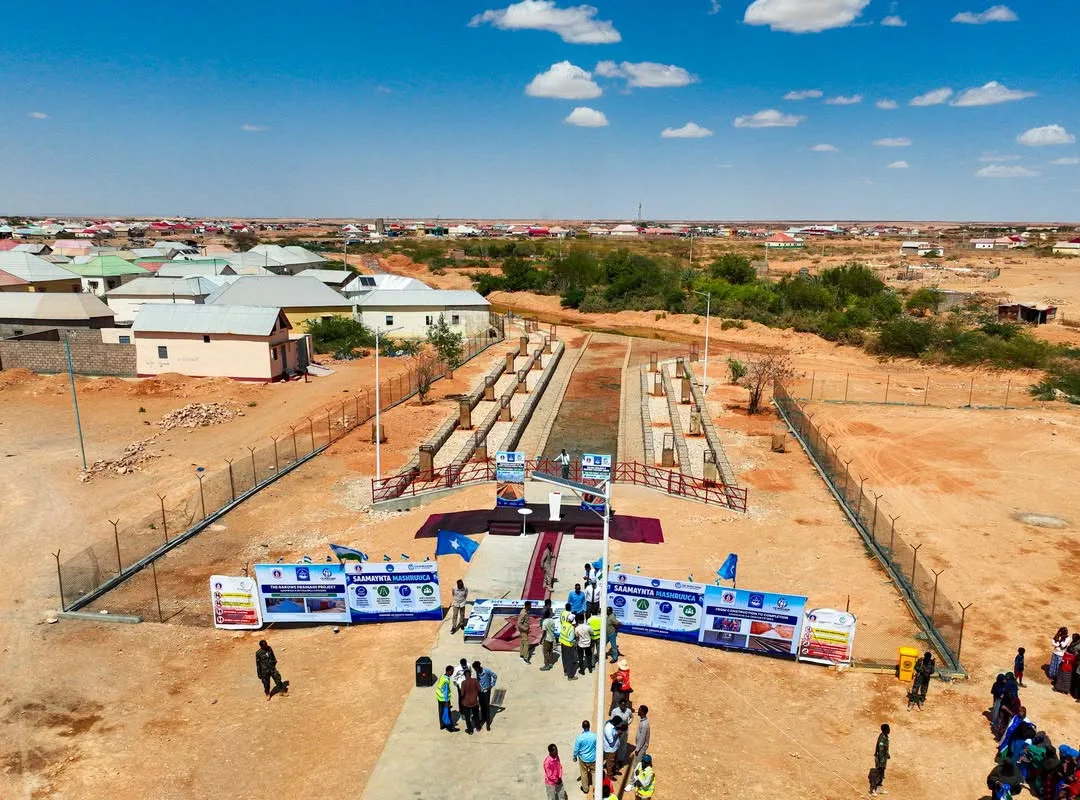
The city of Garoowe has initiated the first phase of its flood control project, designed to address the issue of rainwater accumulation on the city's roads and neighborhoods. This project is part of the Somalia Urban Resilience Project Phase II (SURP-II/Nagaad), funded by the World Bank, which focuses on urban infrastructure and resilience to floods and climate change. The World Bank has allocated a total budget of $203.5 million for SURP-II.
The launched phase of the project involves the construction of a stormwater drainage system, which is not yet fully operational. The system includes a network of pipes and channels to collect and redirect rainwater. However, the current challenge lies in the incomplete construction of canals and connectors to collect water from roads, streets, and neighborhoods. This incomplete system hinders the effective functioning of the drainage system.
A significant example of the project's challenges is the accumulation of rainwater in areas such as the front of Isbitaalka Carafaad and the intersection of Jidka 30-ka and Waddada Sheekh Cabdulqaadir. Despite being close to the drainage system, the water cannot naturally flow into the pipes due to the lack of proper infrastructure. Moreover, some roads and streets in neighborhoods that the drainage system will serve are not designed to facilitate the flow of water into the underground pipes.
According to World Bank project documents, the Garoowe flood control project aims to reduce the risk of flooding and protect the city's road network. The project includes the construction of large stormwater pipes, outlets, and other infrastructure to manage rainwater flow. The project is expected to cost approximately $4 million and involves the construction of 1.79 kilometers of underground pipes and other infrastructure.
The launch of the project comes as Garoowe enters the Dayr rainy season, emphasizing the importance of completing the flood control system. The city's authorities are urged to prioritize the completion of the remaining phases to ensure the effective functioning of the drainage system. The project's success will depend on addressing the current challenges and completing the necessary infrastructure to mitigate the impact of flooding.
The Somalia Urban Resilience Project Phase II (SURP-II/Nagaad) is a comprehensive initiative aimed at enhancing the resilience of Somali cities to climate-related challenges. The project focuses on improving urban infrastructure, including roads, drainage systems, and other essential services. The World Bank's funding for the project demonstrates its commitment to supporting Somalia's urban development and resilience.
The completion of the Garoowe flood control project is expected to have a positive impact on the city's infrastructure and residents. The project will help reduce the risk of flooding, protect properties, and improve the overall quality of life for the city's inhabitants. The project's success will also serve as a model for other Somali cities to adopt similar initiatives to address their own flood control challenges.
Key points
- The Garoowe flood control project aims to mitigate the impact of rainfall on the city's infrastructure.
- The project is part of the Somalia Urban Resilience Project Phase II (SURP-II/Nagaad), funded by the World Bank.
- The project's completion is crucial to addressing the current flood risks in Garoowe, especially during the Dayr rainy season.