In Uganda, children with disabilities are facing significant challenges in accessing quality education. For 15-year-old James Baluku Atholere, who is visually impaired, the biggest examination of his life is approaching, but he lacks the necessary tools to sit for the examination independently. Atholere needs Braille to complete his Primary Leaving Examination, but he does not have a teacher who can adequately train him to master the Braille machine. His school, Rukoki Model Primary School in Kasese District, is considering seeking a qualified Braille teacher or asking the Ministry of Education and Sports to provide an interpreter.
Atholere's story is not unique. Many children with disabilities in Uganda face similar challenges. Despite being physically present in classrooms, they lack the necessary support and tools to learn and compete with their peers. Atholere has learned to navigate obstacles, using a walking stick to move around school and relying on teachers and fellow pupils for help. He participates in debates, quizzes, and revision with other pupils, but he needs Braille teachers to help him answer examination papers comfortably.
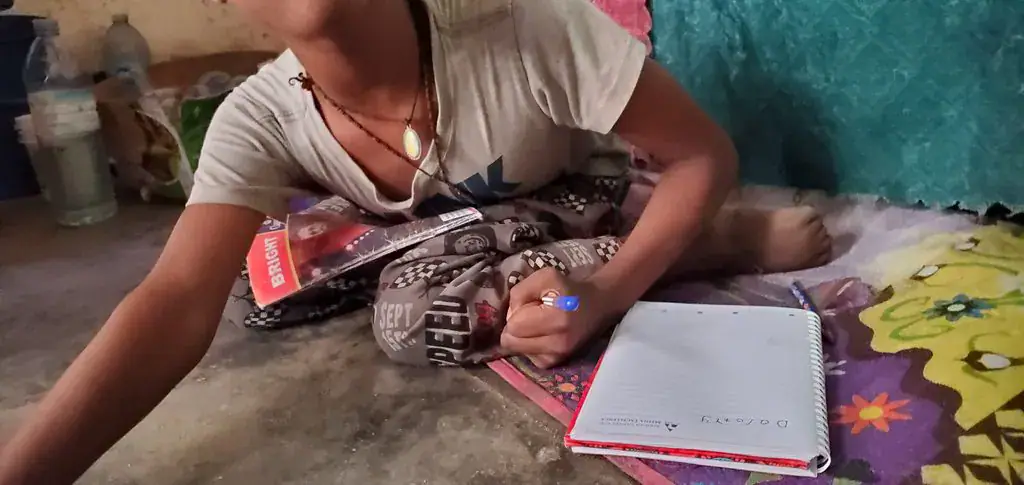
The challenges faced by children with disabilities in Uganda are not limited to lack of access to education. Many children who do enroll in school face significant barriers to learning. Jovia Kasiime, a 10-year-old girl with a physical disability, was forced to drop out of school due to the lack of support and inaccessible environment. Her mother, Roda Muhirwe, says that Kasiime loved school, but the environment was not conducive for her. The school did not provide adequate assistance, and Kasiime was often humiliated and bullied by teachers and pupils.
Kasiime's story highlights the need for inclusive education in Uganda. The government and schools must provide adequate support and tools for children with disabilities to learn and compete with their peers. Jockim Kule, a 36-year-old blind former pupil, knows how the journey can end for children with disabilities who are not supported. Kule completed Primary Seven with 17 aggregates and Division Two, but he experienced mistreatment and inadequate support in secondary school. He eventually dropped out and now finds it difficult to return to school and find employment.
The Ministry of Education and Sports must address the challenges faced by children with disabilities in Uganda. According to Enos Mutanywana, the head teacher of Rukoki Model Primary School, understaffing and a shortage of learning materials remain major barriers to inclusive education. The teacher-pupil ratio for children requiring specialized support is far below what the school needs. Mutanywana described a situation in which one teacher may be responsible for as many as 80 pupils, compared with a ratio of one teacher for five pupils in specialized support.
The government and schools must work together to provide adequate support and tools for children with disabilities. This includes providing Braille teachers, accessible learning materials, and trained teachers who can support children with disabilities. The government must also address the issue of bullying and mistreatment of children with disabilities in schools. By providing inclusive education, Uganda can ensure that children with disabilities have equal opportunities to learn and compete with their peers.
The journey towards inclusive education in Uganda is long, but it is a necessary step towards ensuring that all children have access to quality education. The government, schools, and communities must work together to provide support and tools for children with disabilities. By doing so, Uganda can ensure that children like Atholere, Kasiime, and Kule have equal opportunities to learn, compete, and succeed in life.
Key points
- The lack of support and tools for children with disabilities is a significant barrier to inclusive education in Uganda.
- Many children with disabilities in Uganda face bullying and mistreatment in schools.
- The government and schools must work together to provide adequate support and tools for children with disabilities to ensure inclusive education.