Botswana's growing public-sector wage bill has long been a concern for the International Monetary Fund (IMF), which has warned that it is taking a significant chunk out of government revenue. The IMF has recommended reducing the wage bill to 11 percent of gross domestic product, which could require difficult decisions about the size and cost of the civil service. However, Vice President and Finance Minister Ndaba Gaolathe is proposing a different approach.
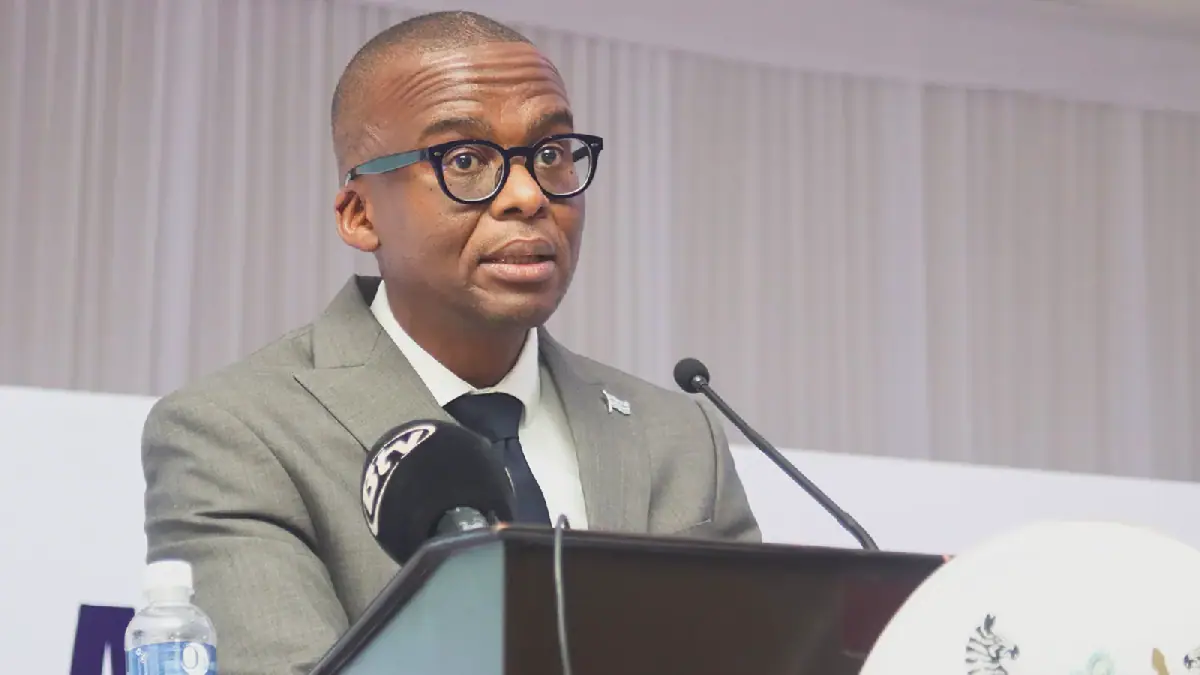
Gaolathe argues that rather than focusing on job cuts, the government should first address waste, inflated project costs, and inefficient public administration. He made these comments at the Youth Budget Pitso in Selebi-Phikwe, where he emphasized that Botswana can no longer afford to spend beyond its means. However, he believes that the first question should not be how many people the government employs, but rather how public money is spent.
Gaolathe's approach involves ministries accounting for the price of their projects and explaining why certain projects need to cost billions when they could be delivered for a fraction of that amount. He also called for a more capable administration, saying that processes that once took months should be completed much sooner. This approach is in contrast to the IMF's recommendations, which include restraining recruitment, tightening controls on promotions and allowances, and tying wage increases to productivity.
The debate comes as Botswana faces mounting fiscal pressure due to a prolonged downturn in the diamond industry, which has weakened government revenue and exposed the risks of relying heavily on mineral earnings. The government is now weighing how to preserve essential services and fund investment while putting public finances on a more sustainable footing. This includes efforts to contain spending, collect more revenue, and make public institutions more efficient.
On the revenue side, the government is pursuing tax reforms, tighter compliance, and an overhaul of tax administration. Budget measures include extending value-added tax to some remote services, introducing electronic invoicing to limit revenue losses, and proposing higher taxes on top personal income earners. The aim is to broaden the tax base and collect more reliably the taxes already owed.
The government is also looking beyond diamonds with the Botswana Economic Transformation Programme, which aims to encourage private-sector investment, expand productive activity, and create jobs in other industries. Technology also features in Gaolathe's case for doing more with fewer resources, including software development and artificial intelligence. However, this approach will require careful implementation to ensure that faster delivery does not come at the expense of quality, security, or accountability.
The IMF's concern is not limited to the government's total payroll, with public-sector compensation exceeding 13 percent of GDP and absorbing about 58 percent of tax revenue. The Fund has urged Botswana to adopt a medium-term plan to bring the wage bill closer to 11 percent of GDP. Gaolathe's emphasis on procurement and efficiency offers another route to fiscal restraint, but whether it can produce savings on the scale the government needs remains an open question.
Key points
- Gaolathe proposes focusing on waste and inefficiency to reduce public spending
- The IMF recommends reducing the wage bill to 11 percent of GDP
- Botswana faces mounting fiscal pressure due to a downturn in the diamond industry