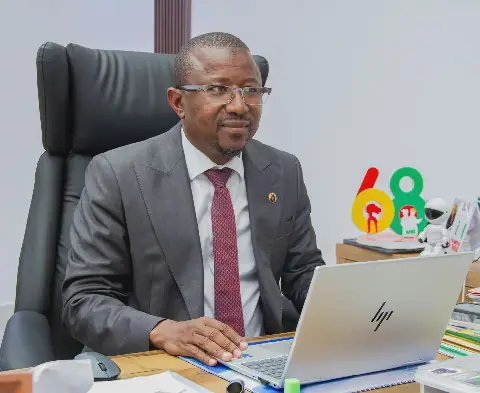
The Gambia has recorded a budget deficit of D68.86 million in the first six months of 2026. This was revealed by Finance Minister Seedy S. Keita during the presentation of the government's 2026 budget implementation and monitoring statement to the National Assembly on September 21, 2026. According to Minister Keita, the shortfall was significantly driven by pressures from domestic debt servicing.
Total revenue, excluding project grants, amounted to D15.35 billion during the period. This was slightly outpaced by government expenditure, which reached D15.42 billion. The deficit was thus incurred due to the difference between revenue and expenditure. The government's financial performance has been closely watched by stakeholders, given its implications for the country's economic stability.
Minister Keita's presentation to the National Assembly provided a detailed breakdown of the government's financial activities. The budget implementation and monitoring statement is a critical document that highlights the government's revenue and expenditure patterns. It also provides insights into the country's economic performance and informs policy decisions.
The Gambia's budget deficit has been a concern for policymakers and stakeholders. High domestic debt servicing costs have been identified as a major contributor to the deficit. The government has been working to address these challenges and restore macroeconomic stability. A key part of this effort involves careful management of public finances and implementation of fiscal reforms.
The country's economic challenges are being closely monitored by stakeholders. The budget deficit has implications for the country's economic growth, inflation, and employment. Policymakers are working to address these challenges through a combination of fiscal and monetary policy measures. The goal is to restore economic stability and promote sustainable growth.
The government's financial performance has been impacted by various factors, including domestic debt servicing costs. The Ministry of Finance is working to strengthen revenue collection and improve expenditure management. These efforts aim to reduce the budget deficit and promote economic stability. The government is also working to improve transparency and accountability in public financial management.
The budget deficit has significant implications for the country's economic prospects. The government is working to address these challenges through a combination of policy measures. The goal is to promote economic stability, restore macroeconomic balance, and improve the living standards of Gambians. Key priorities include strengthening revenue collection, improving expenditure management, and promoting economic growth.
Key points
- The Gambia recorded a D68.86 million budget deficit in the first six months of 2026.
- High domestic debt servicing costs have contributed significantly to the budget deficit.
- The government is working to address the challenges through fiscal reforms and careful management of public finances.