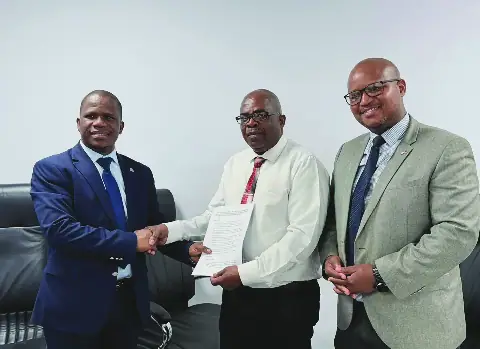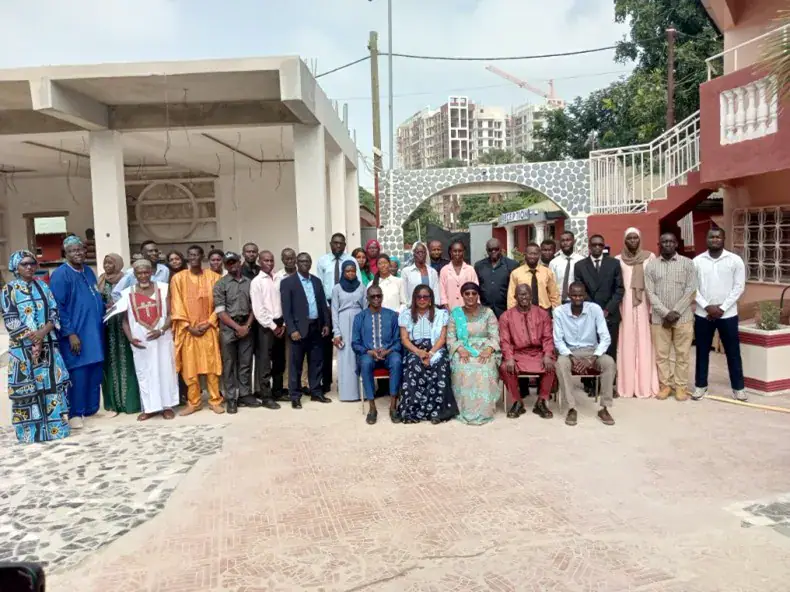
The Gambia has initiated a process to ratify the International Labour Organization (ILO) Convention 189 on Domestic Workers. A two-day National Consultative Workshop was held at Baobab Hotel in Bijilo, bringing together government officials, trade unions, employers, and civil society actors. The event aimed to chart a national roadmap for ratification. The Ministry of Trade, Regional Integration and Employment organized the workshop in partnership with the Centre for Research and Action on Social, Economic and Cultural Rights (CREDESA).
The workshop's opening session featured Fabba Jammeh, Director of Employment at the Ministry, who emphasized the importance of collective dialogue. He reaffirmed the government's commitment to working with partners under the PASSDOM programme. This programme promotes trade union action for migrants and domestic workers. Jammeh's remarks set the tone for the workshop, which seeks to address the challenges faced by domestic workers in Gambia.
Deputy Permanent Secretary Mariama Fofana highlighted the precarious conditions faced by domestic workers in Gambia. She noted that 89.9% lack formal contracts and 86% have no medical insurance. Most domestic workers remain excluded from unions, leaving them vulnerable to exploitation. Fofana stressed that ratification is not only a legal obligation but a moral imperative. It aligns with Sustainable Development Goal 8 on decent work, gender equality, and human rights.
Fofana also pointed out that the Labour Act 2023 has formally recognized domestic work within national labour legislation. She cited bilateral labour agreements with Saudi Arabia and the United Arab Emirates as examples of efforts to create regulated opportunities for Gambian workers abroad. However, she acknowledged that enforcement of labour laws has historically been weak. Fofana urged the government to strengthen implementation mechanisms and allocate adequate funding for awareness campaigns.
Dr. Fatima Diallo, Executive Director of CREDESA, emphasized the broader significance of ratification. She highlighted the importance of harmonizing legislations across Africa to create a coherent legal framework for protecting domestic workers. Many domestic workers are migrants, and ratification can help safeguard their rights beyond national borders. Diallo's remarks underscored the need for a comprehensive approach to protecting domestic workers.
The workshop aims to produce a national roadmap and adopt the Banjul Declaration. This declaration commits stakeholders to concrete steps beyond rhetoric. Participants were urged to engage fully, share expertise, and contribute to shaping a future where domestic workers enjoy dignity, fairness, and protection. The outcome of the workshop is expected to guide Gambia's efforts to ratify the ILO Convention 189.
The ratification of ILO Convention 189 is expected to have a positive impact on domestic workers in Gambia. The government, trade unions, employers, and civil society actors are working together to ensure that domestic workers receive the protection they deserve. The national roadmap and Banjul Declaration will serve as key documents guiding Gambia's efforts to implement the convention.
Key points
- The Gambia has taken a decisive step toward ratifying the ILO Convention 189 on Domestic Workers.
- The ratification of the convention is expected to improve the working conditions of domestic workers in Gambia.
- The national roadmap and Banjul Declaration will guide Gambia's efforts to implement the convention.