The Executive Director of Eco-Conscious Citizens, Awula Serwah, has expressed concerns over the persistence of illegal mining in Ghana, despite the presence of a capable military. Speaking on Joy FM's Super Morning Show, she questioned why the country continues to struggle to contain the menace. Ms Serwah argued that the military could play a stronger role in stopping illegal mining, citing instances where collaborative efforts between chiefs, political authorities, and police commanders have successfully curbed the practice.
Ms Serwah emphasized that the fight against galamsey requires more than repeated discussions and public expressions of concern. She insisted that authorities must demonstrate the political will to bring the practice to an end. According to her, the players involved in illegal mining are well-known, and decisive action is needed to halt the destruction caused by the practice. The Executive Director called for a more robust effort from the authorities to address the issue.
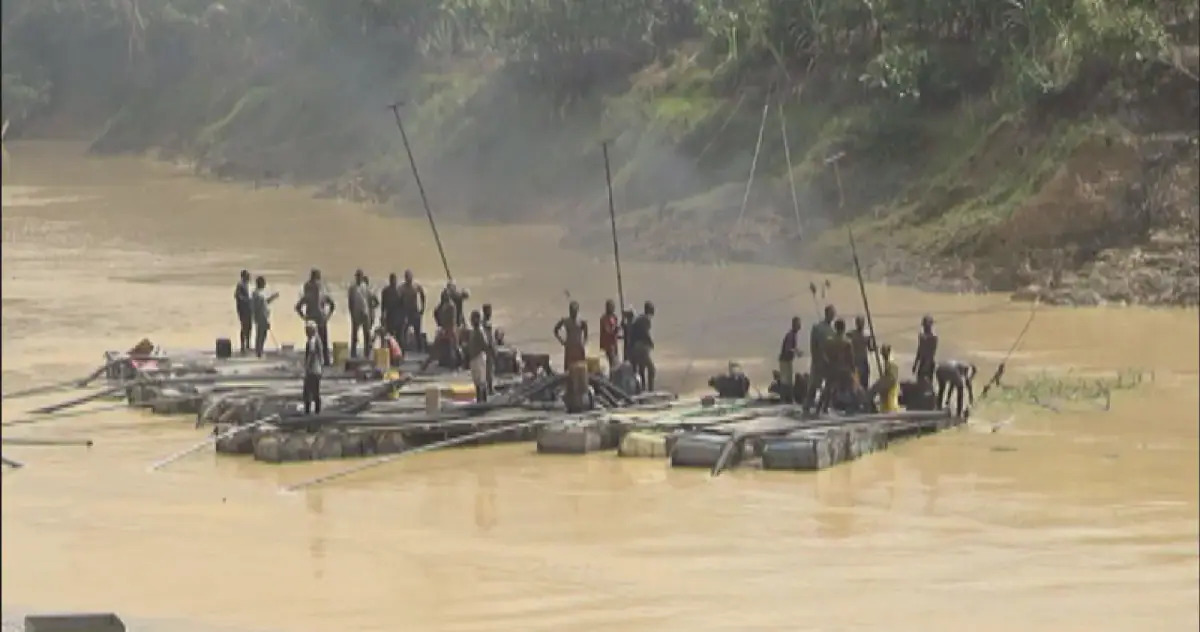
The discussion on the effects of galamsey on the country comes at a time when the practice has been causing significant environmental degradation and social problems. The issue has sparked concerns among various stakeholders, including civil society organizations, government officials, and local communities. Dr Zanetor Agyeman-Rawlings, a prominent figure, has also spoken out against the practice, calling for accountability over the destruction of natural resources.
The Ghana Armed Forces have been involved in efforts to combat illegal mining, but their effectiveness has been questioned. Ms Serwah's comments suggest that the military could do more to support efforts to enforce the law. The issue has also sparked debates about the relationship between the military and the illegal mining sector, with some arguing that the military's involvement is not always effective in curbing the practice.
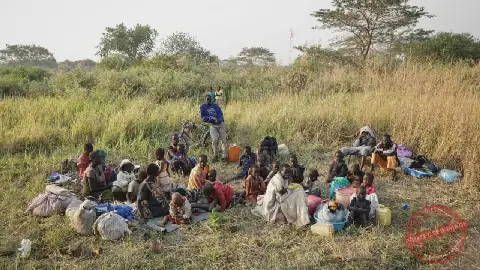
The impact of galamsey on local communities has been significant, with many experiencing loss of livelihoods and environmental degradation. In some areas, trading activities have been halted, and pupils have dropped out of school due to the destruction caused by illegal mining. The issue has also raised concerns about the country's environmental sustainability and the need for more effective measures to protect natural resources.
Various stakeholders, including the Forestry Commission, have been working to address the issue of galamsey. The Commission has plans to establish armed camps to protect the Subri Forest Reserve from illegal mining. Additionally, some organizations, such as GoldBod, have stated that they will not compromise their LBMA certification for galamsey. These efforts aim to address the issue, but more work remains to be done to effectively combat illegal mining.
The issue of galamsey remains a significant challenge for Ghana, with many calling for more effective measures to address the practice. As the country continues to grapple with the issue, stakeholders are urging for a more robust effort from the authorities to bring the practice to an end.
Key points
- The Executive Director of Eco-Conscious Citizens, Awula Serwah, questions the Ghana Armed Forces' role in stopping illegal mining.
- The fight against galamsey requires more than repeated discussions and public expressions of concern.
- The impact of galamsey on local communities has been significant, with many experiencing loss of livelihoods and environmental degradation.